THE ADVENTURE COLLECTIVE® · Independent discovery and booking for outdoor travel

Make the long drive from Athens to Meteora’s towering sandstone pillars and visit the Thermopylae memorial in a single private day trip. Expect long driving stretches, steep monastery steps, and wide, unforgettable views.
Make the long drive from Athens to Meteora’s towering sandstone pillars and visit the Thermopylae memorial in a single private day trip. Expect long driving stretches, steep monastery steps, and wide, unforgettable views.
You arrive before the crowd has thickened: a long ribbon of highway unwinds from Athens, the air cools, and the rock towers of Meteora rise like islands from a green sea. The first view arrests you—sheer sandstone pillars carved by wind and water, their faces holding centuries of weather and pilgrimage. Monasteries cling to ledges; the landscape itself seems to dare you to look away.
Verified experiences and guided adventures in the surrounding area.
Operated by LS Tours · Kalambaka, Thessaly
You arrive before the crowd has thickened: a long ribbon of highway unwinds from Athens, the air cools, and the rock towers of Meteora rise like islands from a green sea. The first view arrests you—sheer sandstone pillars carved by wind and water, their faces holding centuries of weather and pilgrimage. Monasteries cling to ledges; the landscape itself seems to dare you to look away.
Meteora’s cliffs are the result of riverine sediment and tectonic uplift over millions of years, then sculpted by freeze-thaw and rain. From the 14th century onward, ascetic monks hauled building materials up ropes and ladders to create remote communities of prayer and manuscript work. Nearby Thermopylae offers a different kind of history: a narrow coastal pass where Leonidas and his Spartans made a storied stand in 480 BCE—its modern monument a short stop that anchors the day in classical Greece.
Expect a full day on the road—roughly 4.5 hours each way from Athens with stops en route—combined with 2–3 hours of walking at Meteora, including steep stairways and uneven paths to monastery terraces. Wear comfortable, grippy shoes and modest clothing for monastery entry; women should have long sleeves or accept the provided skirt wraps. Bring water, sun protection, and a compact rain layer: weather on the plateaus can shift fast.
Practical rhythm matters: plan for an early pickup, a tavern lunch in Kastraki, and time at two to three monasteries rather than a rushed checklist. The tour blends geology, orthodox culture, and classical history—an intense, accessible day that rewards curiosity and steady pacing.
moderate.
13 hours.
Suitable for most fitness levels but requires ability to walk stairs and short uneven trails for several hours
Monastery entrance fees are typically paid on-site and are not always included; the driver provides commentary but does not enter the monasteries with you as an official guide.
Expect 2–3 hours of walking on uneven stone pathways and staircases to reach terraces and viewpoints; mobility restrictions may limit which monasteries you can access.
Yes—private transportation with hotel or apartment pickup in Athens is included; confirm your pickup point when booking.
Modest clothing is required—long sleeves and skirts for women are suggested; modesty wraps are provided if needed.
Meteora’s monasteries were founded between the 14th and 19th centuries by monks seeking isolation; the name means “lofty” and reflects their vertical placement on sandstone pillars.
Meteora is a UNESCO World Heritage site with visitor guidelines—stay on paths, respect dress codes, and avoid climbing unmarked areas to protect fragile rock and monastic heritage.
LS Tours operates guided outdoor trips and adventures with an emphasis on safety, stewardship, and memorable experiences.
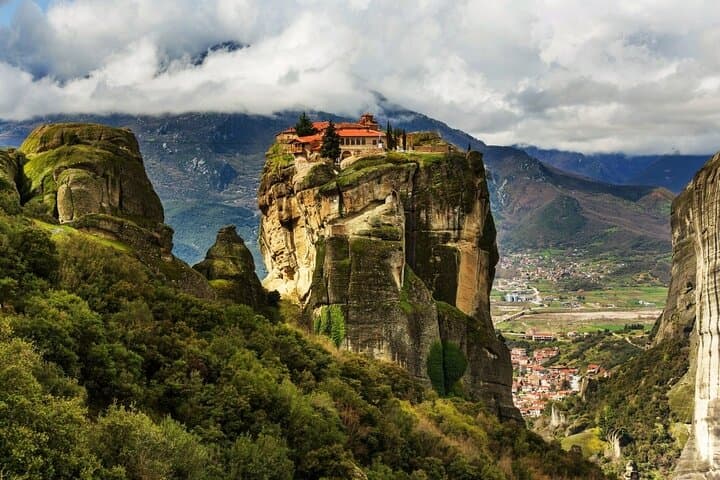
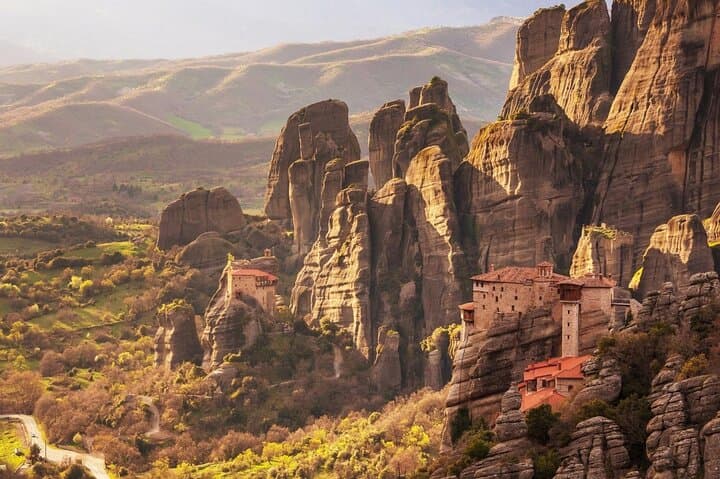

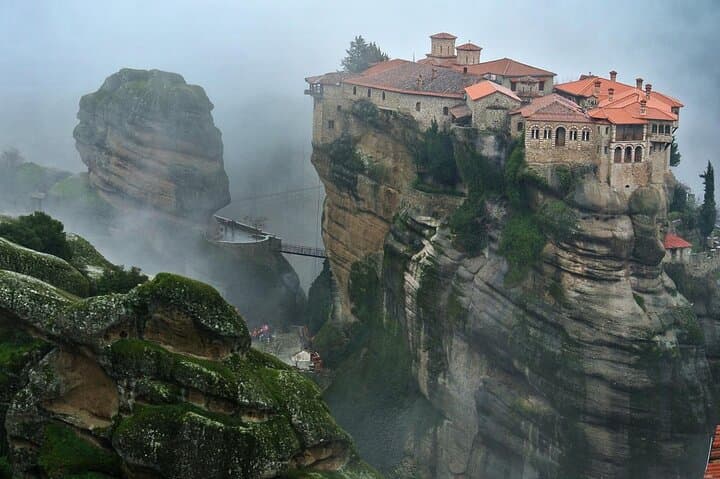
You arrive before the crowd has thickened: a long ribbon of highway unwinds from Athens, the air cools, and the rock towers of Meteora rise like islands from a green sea. The first view arrests you—sheer sandstone pillars carved by wind and water, their faces holding centuries of weather and pilgrimage. Monasteries cling to ledges; the landscape itself seems to dare you to look away.
You arrive before the crowd has thickened: a long ribbon of highway unwinds from Athens, the air cools, and the rock towers of Meteora rise like islands from a green sea. The first view arrests you—sheer sandstone pillars carved by wind and water, their faces holding centuries of weather and pilgrimage. Monasteries cling to ledges; the landscape itself seems to dare you to look away.
Meteora’s cliffs are the result of riverine sediment and tectonic uplift over millions of years, then sculpted by freeze-thaw and rain. From the 14th century onward, ascetic monks hauled building materials up ropes and ladders to create remote communities of prayer and manuscript work. Nearby Thermopylae offers a different kind of history: a narrow coastal pass where Leonidas and his Spartans made a storied stand in 480 BCE—its modern monument a short stop that anchors the day in classical Greece.
Expect a full day on the road—roughly 4.5 hours each way from Athens with stops en route—combined with 2–3 hours of walking at Meteora, including steep stairways and uneven paths to monastery terraces. Wear comfortable, grippy shoes and modest clothing for monastery entry; women should have long sleeves or accept the provided skirt wraps. Bring water, sun protection, and a compact rain layer: weather on the plateaus can shift fast.
Practical rhythm matters: plan for an early pickup, a tavern lunch in Kastraki, and time at two to three monasteries rather than a rushed checklist. The tour blends geology, orthodox culture, and classical history—an intense, accessible day that rewards curiosity and steady pacing.