THE ADVENTURE COLLECTIVE® · Independent discovery and booking for outdoor travel

A full-day private drive from Athens to Meteora and Thermopylae that combines dramatic geology, centuries-old monasteries and the history of Leonidas’ last stand. Expect long drives, steep stairs, and unforgettable views—ideal for travelers who want an intimate, flexible visit without a big group.
A full-day private drive from Athens to Meteora and Thermopylae that combines dramatic geology, centuries-old monasteries and the history of Leonidas’ last stand. Expect long drives, steep stairs, and unforgettable views—ideal for travelers who want an intimate, flexible visit without a big group.
You roll out of Athens and the highway opens into a landscape of low ridges and olive groves; after three and a half hours the air changes and the first towering sandstone pillars of Meteora appear, sudden and vertical, like islands rising from a forest. The driver pulls into a viewpoint and the monasteries—small, stone roofs clinging to sheer rock—look like human resolve carved into geology.
Verified experiences and guided adventures in the surrounding area.
Operated by Private Greece Tours · Kalambaka, Thessaly
You roll out of Athens and the highway opens into a landscape of low ridges and olive groves; after three and a half hours the air changes and the first towering sandstone pillars of Meteora appear, sudden and vertical, like islands rising from a forest. The driver pulls into a viewpoint and the monasteries—small, stone roofs clinging to sheer rock—look like human resolve carved into geology.
Meteora’s story begins with 11th-century hermits who sought solitude atop these pillars; by the 14th century monks had built the monasteries that survive today. The rocks themselves are Neogene conglomerates and sandstones formed by river deposits and later lifted and eroded into the dramatic columns you see. Nearby Thermopylae offers a counterpoint in history: the narrow coastal pass and its memorials recall the stand of King Leonidas and the 300 in 480 BCE, and the nearby sulfur springs still scent the air.
This private day tour gives you photo stops of all six major monasteries and time to enter up to three (entrance ≈ €5 each), with a lunch break in Kalambaka and a short visit to Thermopylae. Practical realities: expect many stone steps (some climbs of 100–150 steps), uneven paths and strict dress codes in monasteries—long skirts for women and no shorts for men. Bring sturdy walking shoes, sun protection, and at least 1–1.5 liters of water; pace yourself—this is a long day with roughly 12–13 hours door-to-door. If you want in-depth monastery history, arrange a licensed local guide in advance (extra cost). Early departures beat the crowds and make the light better for photos; the rocks reward patient observation, and the route back to Athens lets the landscape slow you down.
moderate.
12–13 hours.
Moderate endurance—able to handle multiple stair climbs and a long day in a vehicle with short walks
Expect approximately 3.5–4 hours each way depending on traffic and stops—this tour is a full 12–13 hour day.
No—entrance fees are typically around €5 per monastery and are paid on-site; up to three monasteries can be visited depending on opening hours.
Drivers provide en-route commentary but cannot enter the monastery interiors; a private licensed guide can be arranged for an extra fee if you want detailed site tours.
Families can be accommodated, but many monastery sites involve stairs and uneven paths; guests with limited mobility may find access difficult and should notify organizers in advance.
Meteora’s monasteries grew from 11th–14th century ascetic communities; their construction atop vertical rock was both spiritual and defensive. Thermopylae marks one of ancient Greece’s most storied battlegrounds from 480 BCE.
Meteora is a UNESCO World Heritage site with visitor limits and site rules to protect fragile rock, flora and monastic buildings—follow paths and dress rules to minimize impact.
Private Greece Tours operates guided outdoor trips and adventures with an emphasis on safety, stewardship, and memorable experiences.
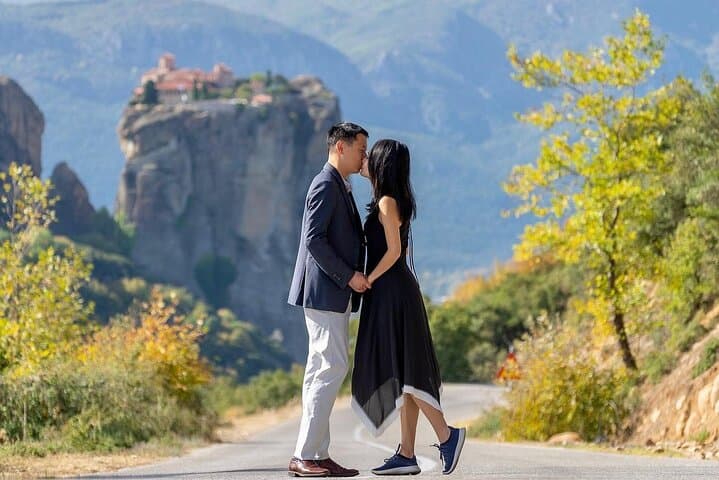
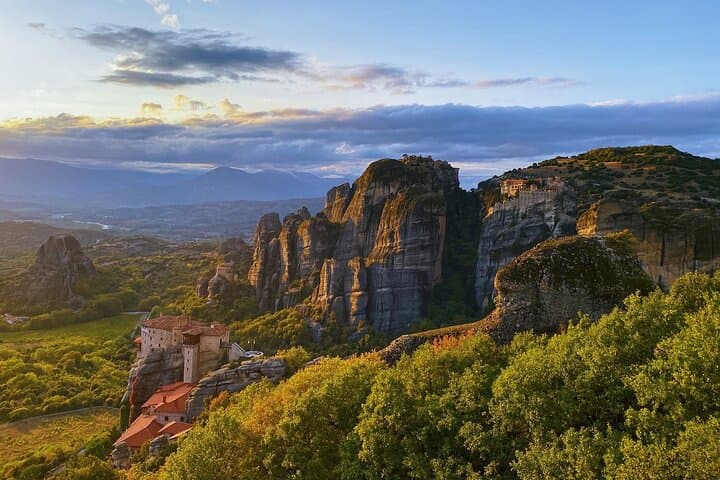
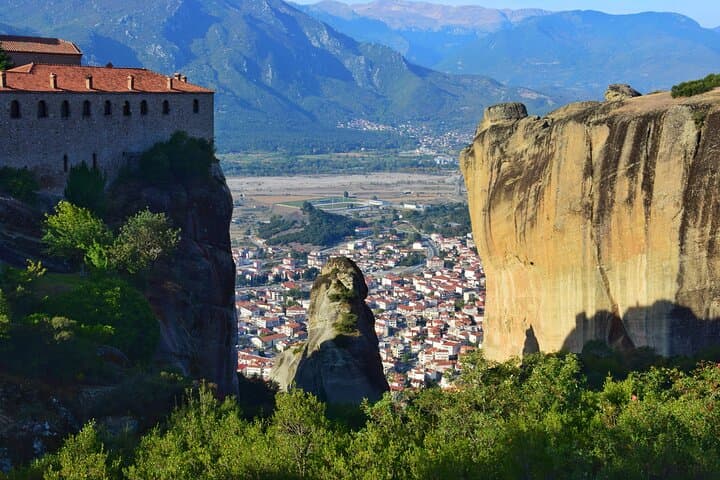
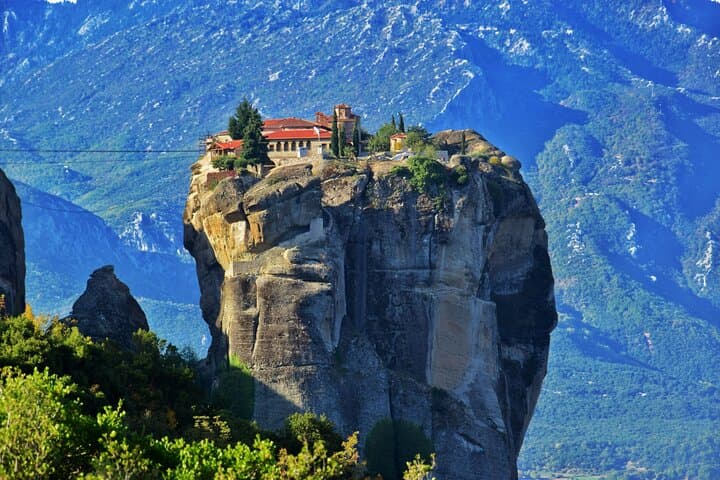
You roll out of Athens and the highway opens into a landscape of low ridges and olive groves; after three and a half hours the air changes and the first towering sandstone pillars of Meteora appear, sudden and vertical, like islands rising from a forest. The driver pulls into a viewpoint and the monasteries—small, stone roofs clinging to sheer rock—look like human resolve carved into geology.
You roll out of Athens and the highway opens into a landscape of low ridges and olive groves; after three and a half hours the air changes and the first towering sandstone pillars of Meteora appear, sudden and vertical, like islands rising from a forest. The driver pulls into a viewpoint and the monasteries—small, stone roofs clinging to sheer rock—look like human resolve carved into geology.
Meteora’s story begins with 11th-century hermits who sought solitude atop these pillars; by the 14th century monks had built the monasteries that survive today. The rocks themselves are Neogene conglomerates and sandstones formed by river deposits and later lifted and eroded into the dramatic columns you see. Nearby Thermopylae offers a counterpoint in history: the narrow coastal pass and its memorials recall the stand of King Leonidas and the 300 in 480 BCE, and the nearby sulfur springs still scent the air.
This private day tour gives you photo stops of all six major monasteries and time to enter up to three (entrance ≈ €5 each), with a lunch break in Kalambaka and a short visit to Thermopylae. Practical realities: expect many stone steps (some climbs of 100–150 steps), uneven paths and strict dress codes in monasteries—long skirts for women and no shorts for men. Bring sturdy walking shoes, sun protection, and at least 1–1.5 liters of water; pace yourself—this is a long day with roughly 12–13 hours door-to-door. If you want in-depth monastery history, arrange a licensed local guide in advance (extra cost). Early departures beat the crowds and make the light better for photos; the rocks reward patient observation, and the route back to Athens lets the landscape slow you down.