THE ADVENTURE COLLECTIVE® · Independent discovery and booking for outdoor travel

Explore Mesa Verde’s cliff dwellings with an archaeologist-trained guide on a private 7½-hour tour. Learn the history, geology and daily life of Ancestral Pueblo peoples while visiting Chapin Mesa and selected sites—plus practical tips for making the most of the day.
Explore Mesa Verde’s cliff dwellings with an archaeologist-trained guide on a private 7½-hour tour. Learn the history, geology and daily life of Ancestral Pueblo peoples while visiting Chapin Mesa and selected sites—plus practical tips for making the most of the day.
A cold blue morning lifts off the high desert and the mesas unclench into sunlight as the van winds toward Chapin Mesa. Stones that held families for centuries loom in shadow and relief; guides trained in archaeology point out mortar lines, roof-beam sockets and the careful choices of cliff alcoves that once sheltered Ancestral Puebloan communities. The tour places travelers beside carved rooms and terraces where the landscape still reads like an open ledger of human decision-making.
Verified experiences and guided adventures in the surrounding area.
Operated by Durango Rivertrippers & Adventure Tours · Cortez, Colorado
A cold blue morning lifts off the high desert and the mesas unclench into sunlight as the van winds toward Chapin Mesa. Stones that held families for centuries loom in shadow and relief; guides trained in archaeology point out mortar lines, roof-beam sockets and the careful choices of cliff alcoves that once sheltered Ancestral Puebloan communities. The tour places travelers beside carved rooms and terraces where the landscape still reads like an open ledger of human decision-making.
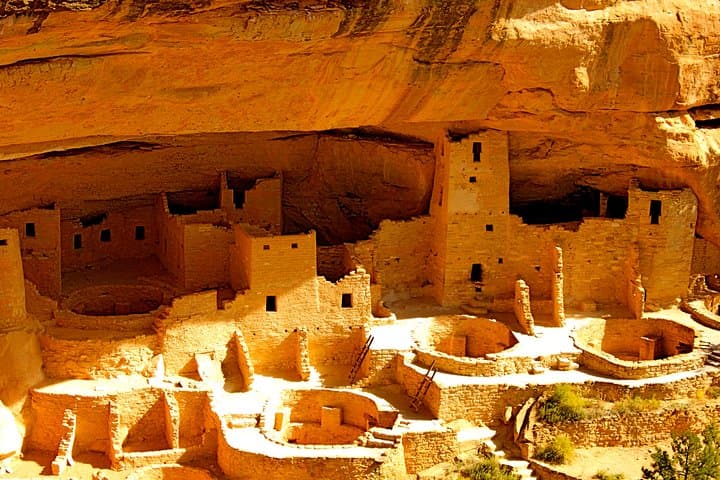
Mesa Verde National Park protects over 5,000 archaeological sites and nearly 600 cliff dwellings built by Ancestral Pueblo peoples between roughly AD 600 and 1300. Geologically the park sits on thick sandstone layers and uplifted mesas carved by erosion, producing overhangs that early builders exploited for shelter and thermal advantage. Cultural context matters here: these are lived places with long histories of occupation, craft and trade across the Four Corners region.
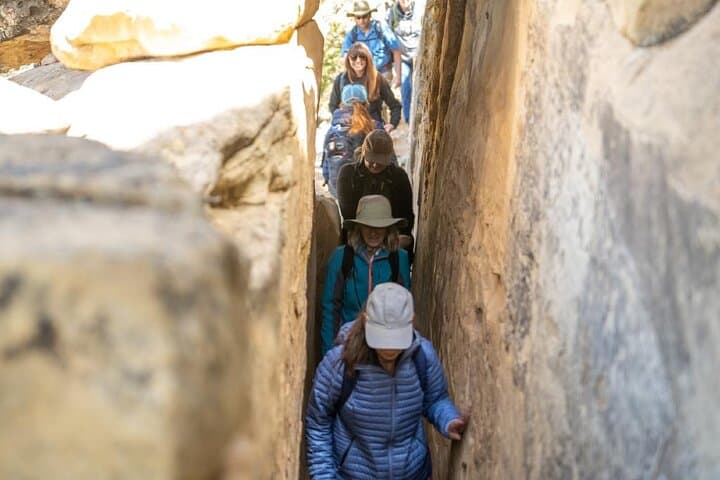
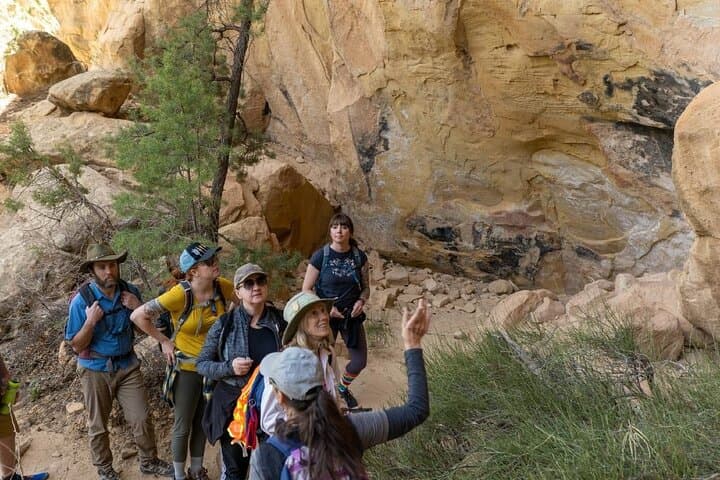
On a private, archaeologist-led outing expect a deliberate pace—close readings of architecture, discussions of pottery and agriculture, and a chance to ask specialized questions. Practicalities matter: tours run about 7½ hours, include round-trip shared transfer, bottled water and lunch, and may require additional Cliff Palace tickets (now offered with some departures). Bring layered clothing for sudden temperature swings, sturdy footwear for uneven stone and dirt paths, sun protection, and a camera with extra battery. Walk respectfully, stay on marked routes and leave artifacts untouched—your guide will point out what can be safely explored and what should remain undisturbed.
moderate.
7–8 hours.
Moderate fitness required: able to walk on uneven ground, climb short ladders or steps and be mobile for several hours.
Cliff Palace tickets are an additional purchase in many cases, but this tour now offers Cliff Palace when available—confirm at booking to secure admission.
The tour is family-friendly but requires moderate mobility; some sites have ladders or steep steps and are not recommended for those with spinal or severe heart problems.
Photography for personal use is generally allowed on exterior viewpoints and many sites—follow guide instructions and avoid flash or entering restricted rooms.
Gratuity is not included; tipping your guide and driver is customary and appreciated for private, interpretive tours.
Ancestral Pueblo peoples occupied Mesa Verde from roughly AD 600–1300, engineering cliff and mesa-top communities that reflect complex social and agricultural systems.
The park prioritizes preservation of fragile archaeological resources—stay on trails, don’t touch structures or pottery, and follow Leave No Trace principles to minimize visitor impact.
Durango Rivertrippers & Adventure Tours operates guided outdoor trips and adventures with an emphasis on safety, stewardship, and memorable experiences.
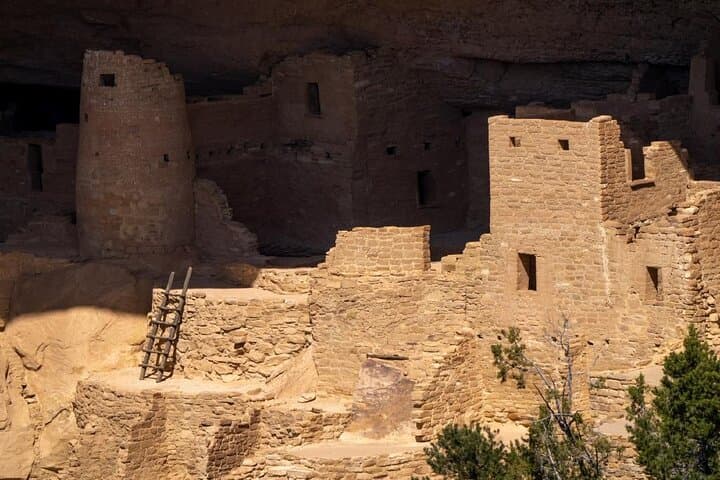
A cold blue morning lifts off the high desert and the mesas unclench into sunlight as the van winds toward Chapin Mesa. Stones that held families for centuries loom in shadow and relief; guides trained in archaeology point out mortar lines, roof-beam sockets and the careful choices of cliff alcoves that once sheltered Ancestral Puebloan communities. The tour places travelers beside carved rooms and terraces where the landscape still reads like an open ledger of human decision-making.
A cold blue morning lifts off the high desert and the mesas unclench into sunlight as the van winds toward Chapin Mesa. Stones that held families for centuries loom in shadow and relief; guides trained in archaeology point out mortar lines, roof-beam sockets and the careful choices of cliff alcoves that once sheltered Ancestral Puebloan communities. The tour places travelers beside carved rooms and terraces where the landscape still reads like an open ledger of human decision-making.
Mesa Verde National Park protects over 5,000 archaeological sites and nearly 600 cliff dwellings built by Ancestral Pueblo peoples between roughly AD 600 and 1300. Geologically the park sits on thick sandstone layers and uplifted mesas carved by erosion, producing overhangs that early builders exploited for shelter and thermal advantage. Cultural context matters here: these are lived places with long histories of occupation, craft and trade across the Four Corners region.
On a private, archaeologist-led outing expect a deliberate pace—close readings of architecture, discussions of pottery and agriculture, and a chance to ask specialized questions. Practicalities matter: tours run about 7½ hours, include round-trip shared transfer, bottled water and lunch, and may require additional Cliff Palace tickets (now offered with some departures). Bring layered clothing for sudden temperature swings, sturdy footwear for uneven stone and dirt paths, sun protection, and a camera with extra battery. Walk respectfully, stay on marked routes and leave artifacts untouched—your guide will point out what can be safely explored and what should remain undisturbed.