THE ADVENTURE COLLECTIVE® · Independent discovery and booking for outdoor travel

Take to the sky above South Maui for a private, 60-minute aerial whale watch. With panoramic, non-tinted windows and live commentary, this small-cabin flight offers dramatic views of humpbacks, Molokini and the Valley Island from a perspective boats can’t match.
Take to the sky above South Maui for a private, 60-minute aerial whale watch. With panoramic, non-tinted windows and live commentary, this small-cabin flight offers dramatic views of humpbacks, Molokini and the Valley Island from a perspective boats can’t match.
You taxi past a squat control tower, step into a compact metal cabin and slide into a seat beside a wide, non-tinted window. Within minutes the runway peels away and Maui falls open beneath you—patchwork sugarcane fields, the low arc of the central valley and, beyond, a band of blue where whales come to breed. From sixty feet in the air the ocean behaves like a stage: a black back arcs, a spray hangs, and for a heart-stopping second a humpback’s dorsal ridge is the only thing on the horizon.
Verified experiences and guided adventures in the surrounding area.
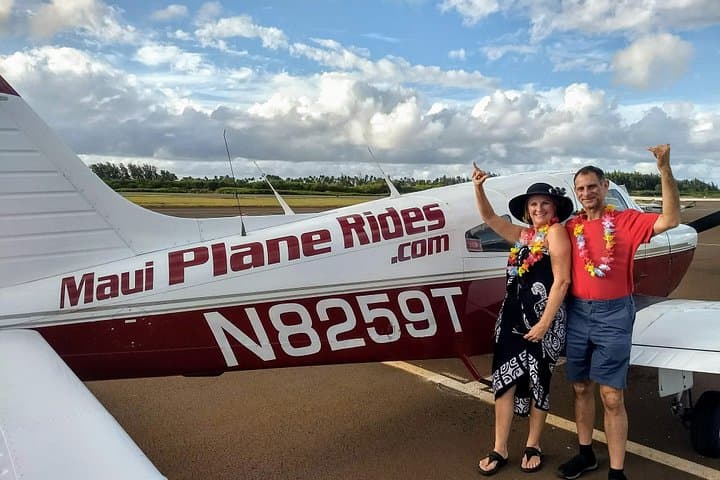
Operated by MAUI PLANE RIDES · Kahului, Hawaii
You taxi past a squat control tower, step into a compact metal cabin and slide into a seat beside a wide, non-tinted window. Within minutes the runway peels away and Maui falls open beneath you—patchwork sugarcane fields, the low arc of the central valley and, beyond, a band of blue where whales come to breed. From sixty feet in the air the ocean behaves like a stage: a black back arcs, a spray hangs, and for a heart-stopping second a humpback’s dorsal ridge is the only thing on the horizon.
Humpback whales have been returning to Hawaiian waters for millennia; their annual migration from Alaska is one of the planet’s great natural rhythms. Maui’s south shore—stretching from Kihei to Makena—lies directly in the path of mothers, calves and courting males during the winter season (December 15–April 15). Geologically, the island is a living map: the “Valley Island” formation shows in the gentle saddle between the West and East Maui volcanoes, while offshore features like the semi-submerged Molokini crater pick out old vents and collapsed calderas.
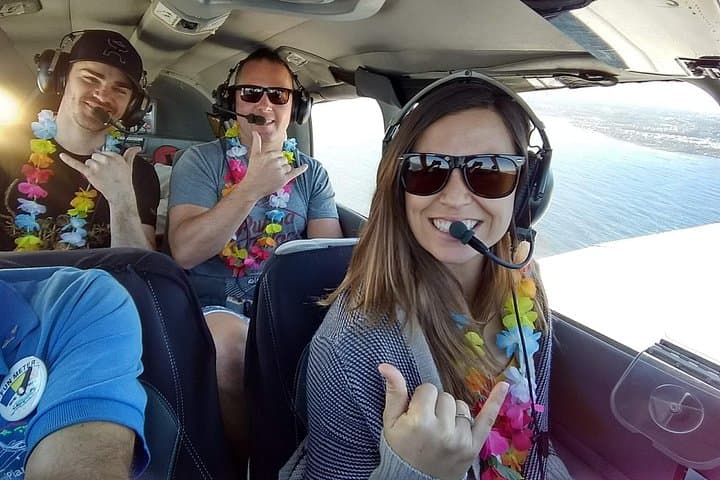
This private, 60-minute air tour is designed as an observational, high-resolution supplement to boat-based watches. The plane’s panoramic windows and intimate cabin (up to five people) let small groups track whales without the wake of a vessel. Guides provide live commentary through headsets and pilots adjust altitude and approach to maximize viewing while complying with regulations meant to protect the animals.
Practicalities matter: the tour departs from the Kahului area; you’ll be asked to provide accurate passenger weights at booking and full mobility is required to board. Flights run around an hour and are subject to weather and weight restrictions—operators can cancel and refund within 24 hours if conditions are unsafe. Because sightings can’t be guaranteed, travel insurance or flexible scheduling helps if a storm scrubs your date.
Packing smart improves the experience: polarized sunglasses and a fast camera will cut glare and freeze breaches; a light windbreaker wards off the coolness at altitude; motion-sickness medication is recommended if you’re sensitive. For photographers, ask for seating on the side facing South Maui and schedule flights near the morning golden hour when ocean color and whale blow are most dramatic.
Book early in peak season, confirm weight details precisely, and treat the ocean with quiet respect: whales are protected here and operators follow strict approach rules. From above, whale watching becomes less about proximity and more about context—you see movement, behavior and the wide Pacific highway these giants travel. That perspective changes how you carry the memory home.
easy.
60 minutes.
Suitable for most fitness levels, but full mobility is required to board the aircraft and move within the cabin.
The tour lasts approximately 60 minutes from takeoff to landing.
No—sightings are common in season (Dec 15–Apr 15) but cannot be guaranteed; operators will refund if flights are canceled for weather.
The private cabin seats up to five people per booking.
Yes—accurate passenger weight in pounds is required at booking for safety and weight-and-balance.
Full mobility is required to board this small aircraft; it is not suitable for most wheelchairs.
Operators typically cancel for unsafe weather and offer a full refund if canceled at least 24 hours before departure.
Humpback migration to Hawaii is an ancient annual event; native Hawaiian chants and stories long reference the whales that visit these islands each winter.
NOAA protections and local regulations limit approaches and promote reporting; responsible operators minimize disturbance by maintaining approved altitudes and routes.
MAUI PLANE RIDES operates guided outdoor trips and adventures with an emphasis on safety, stewardship, and memorable experiences.
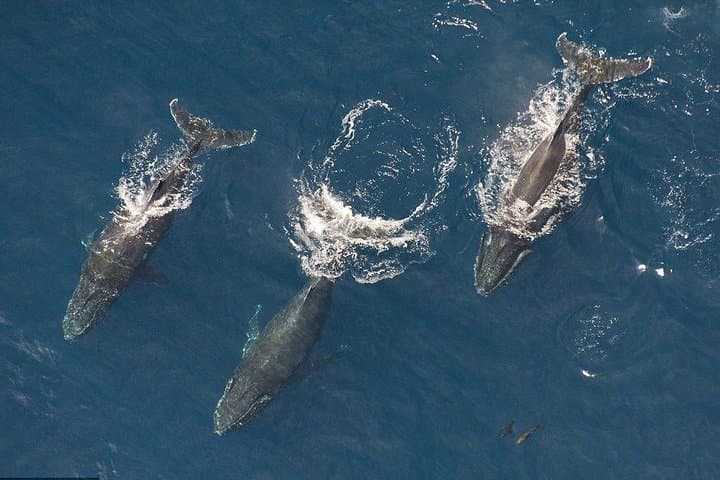
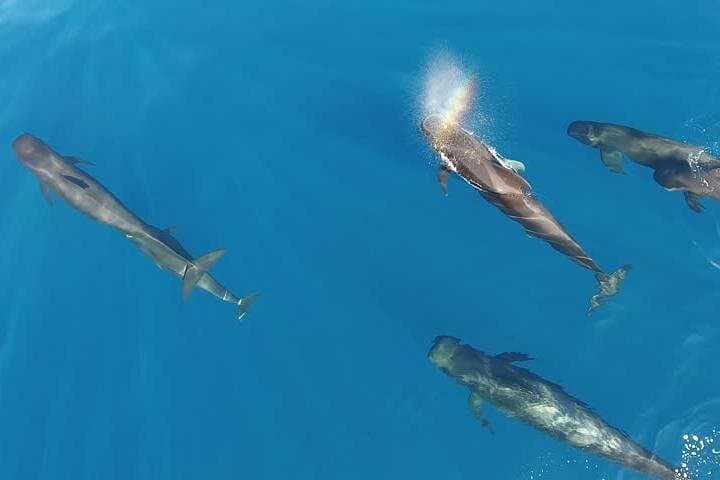
You taxi past a squat control tower, step into a compact metal cabin and slide into a seat beside a wide, non-tinted window. Within minutes the runway peels away and Maui falls open beneath you—patchwork sugarcane fields, the low arc of the central valley and, beyond, a band of blue where whales come to breed. From sixty feet in the air the ocean behaves like a stage: a black back arcs, a spray hangs, and for a heart-stopping second a humpback’s dorsal ridge is the only thing on the horizon.
You taxi past a squat control tower, step into a compact metal cabin and slide into a seat beside a wide, non-tinted window. Within minutes the runway peels away and Maui falls open beneath you—patchwork sugarcane fields, the low arc of the central valley and, beyond, a band of blue where whales come to breed. From sixty feet in the air the ocean behaves like a stage: a black back arcs, a spray hangs, and for a heart-stopping second a humpback’s dorsal ridge is the only thing on the horizon.
Humpback whales have been returning to Hawaiian waters for millennia; their annual migration from Alaska is one of the planet’s great natural rhythms. Maui’s south shore—stretching from Kihei to Makena—lies directly in the path of mothers, calves and courting males during the winter season (December 15–April 15). Geologically, the island is a living map: the “Valley Island” formation shows in the gentle saddle between the West and East Maui volcanoes, while offshore features like the semi-submerged Molokini crater pick out old vents and collapsed calderas.
This private, 60-minute air tour is designed as an observational, high-resolution supplement to boat-based watches. The plane’s panoramic windows and intimate cabin (up to five people) let small groups track whales without the wake of a vessel. Guides provide live commentary through headsets and pilots adjust altitude and approach to maximize viewing while complying with regulations meant to protect the animals.
Practicalities matter: the tour departs from the Kahului area; you’ll be asked to provide accurate passenger weights at booking and full mobility is required to board. Flights run around an hour and are subject to weather and weight restrictions—operators can cancel and refund within 24 hours if conditions are unsafe. Because sightings can’t be guaranteed, travel insurance or flexible scheduling helps if a storm scrubs your date.
Packing smart improves the experience: polarized sunglasses and a fast camera will cut glare and freeze breaches; a light windbreaker wards off the coolness at altitude; motion-sickness medication is recommended if you’re sensitive. For photographers, ask for seating on the side facing South Maui and schedule flights near the morning golden hour when ocean color and whale blow are most dramatic.
Book early in peak season, confirm weight details precisely, and treat the ocean with quiet respect: whales are protected here and operators follow strict approach rules. From above, whale watching becomes less about proximity and more about context—you see movement, behavior and the wide Pacific highway these giants travel. That perspective changes how you carry the memory home.