THE ADVENTURE COLLECTIVE® · Independent discovery and booking for outdoor travel

Drive into the Erg Chebbi dunes on a private 4x4 that pairs dune-edge vistas with stops in Khamlia for Gnaoua music and local culture. This two-hour outing squeezes geology, history and sunset light into a compact desert experience.
Drive into the Erg Chebbi dunes on a private 4x4 that pairs dune-edge vistas with stops in Khamlia for Gnaoua music and local culture. This two-hour outing squeezes geology, history and sunset light into a compact desert experience.
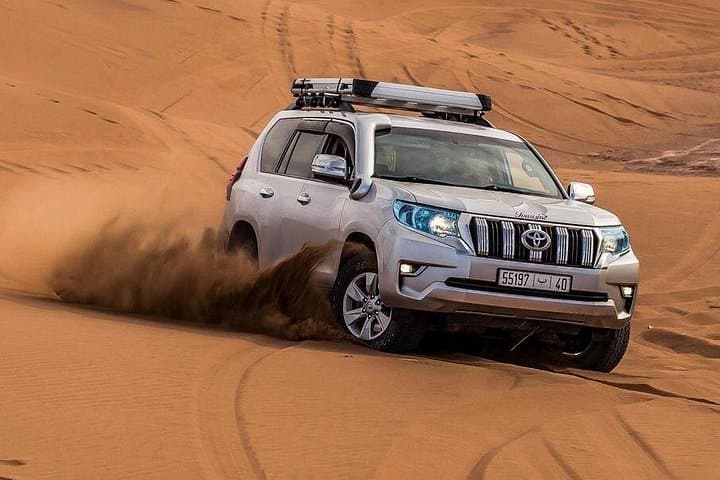
Sand rises and falls like a slow ocean; the 4x4 crunches across hard-packed tracks before the vehicle reaches the shoulder of the Erg Chebbi sea. In two hours you move from a scrub-lined roadway into a landscape where wind sculpts ridges and light carves color—gold at noon, copper at dusk. The drive feels purposeful: a steady climb, the engine working as dunes loom and then roll away.
Verified experiences and guided adventures in the surrounding area.
Operated by Merzouga Adventure · Merzouga, Drâa-Tafilalet
Sand rises and falls like a slow ocean; the 4x4 crunches across hard-packed tracks before the vehicle reaches the shoulder of the Erg Chebbi sea. In two hours you move from a scrub-lined roadway into a landscape where wind sculpts ridges and light carves color—gold at noon, copper at dusk. The drive feels purposeful: a steady climb, the engine working as dunes loom and then roll away.
Geology here tells a long story—fine Sahara sand swept from the Atlantic and Sahara basins, building crescent dunes up to 120–150 meters. Historically this region sat on ancient trade routes connecting Rissani and Sijilmassa; small Berber villages like Khamlia preserve a mix of Amazigh and sub‑Saharan influences. In Khamlia, Gnaoua rhythms still mark ceremonies and nightly performances that visitors can watch after the sun drops.
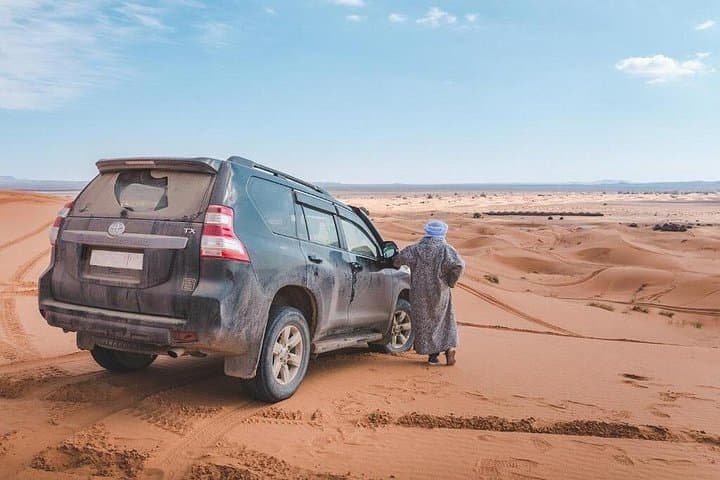
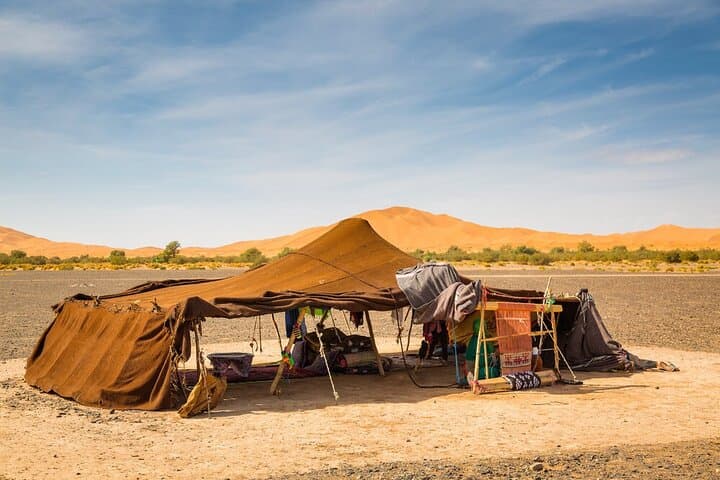
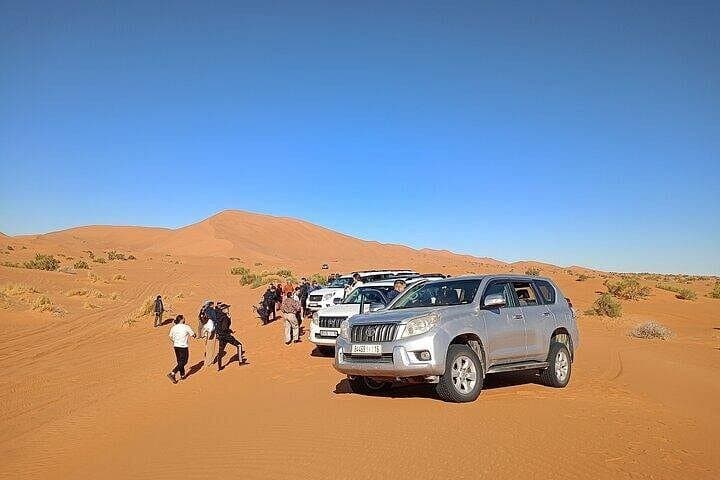
Expect contrasts: the hard, corrugated track around dawn; the soft, yielding sand when the vehicle climbs a lee face. Guides are local and usually combine driving with short stops for photographs, a tea under acacia shade, and a walk to listen to Gnaoua music or meet camel handlers. Practicalities: morning and late‑afternoon departures avoid peak heat, and light layers work for cool desert nights. Hydrate before climbs, secure cameras against sand, and confirm pickup points with your operator—many tours include private transfers. For first-time visitors the ride is accessible but bouncy; if you have mobility needs, verify accessibility details in advance. The result is compact but vivid: sculpted dunes, cultural beats in a quiet village, and the wide, dry sky that makes the Sahara feel both immediate and immense.
moderate.
2 hours.
Basic mobility required to enter and exit a 4x4 and walk short distances; minimal hiking fitness needed.
The advertised private 4x4 experience runs about 2 hours, typically including a few stops for photos and a short cultural visit.
Yes—this is a private tour and includes private transportation; confirm exact pickup location when you book.
Children can join; the operator notes stroller accessibility for infants, but space and safety restraints vary—check with the provider.
No special permits are required for visiting Erg Chebbi dunes, but drivers should follow local guidelines to protect sensitive areas.
Erg Chebbi formed from wind-driven sands over millennia and sits along historic caravan routes; nearby settlements reflect Berber and trans-Saharan trade heritage.
Stay on established tracks to avoid disturbing dune vegetation and fossil sites; carry out all waste and follow guide instructions to minimize impact.
Merzouga Adventure operates guided outdoor trips and adventures with an emphasis on safety, stewardship, and memorable experiences.
Sand rises and falls like a slow ocean; the 4x4 crunches across hard-packed tracks before the vehicle reaches the shoulder of the Erg Chebbi sea. In two hours you move from a scrub-lined roadway into a landscape where wind sculpts ridges and light carves color—gold at noon, copper at dusk. The drive feels purposeful: a steady climb, the engine working as dunes loom and then roll away.
Sand rises and falls like a slow ocean; the 4x4 crunches across hard-packed tracks before the vehicle reaches the shoulder of the Erg Chebbi sea. In two hours you move from a scrub-lined roadway into a landscape where wind sculpts ridges and light carves color—gold at noon, copper at dusk. The drive feels purposeful: a steady climb, the engine working as dunes loom and then roll away.
Geology here tells a long story—fine Sahara sand swept from the Atlantic and Sahara basins, building crescent dunes up to 120–150 meters. Historically this region sat on ancient trade routes connecting Rissani and Sijilmassa; small Berber villages like Khamlia preserve a mix of Amazigh and sub‑Saharan influences. In Khamlia, Gnaoua rhythms still mark ceremonies and nightly performances that visitors can watch after the sun drops.
Expect contrasts: the hard, corrugated track around dawn; the soft, yielding sand when the vehicle climbs a lee face. Guides are local and usually combine driving with short stops for photographs, a tea under acacia shade, and a walk to listen to Gnaoua music or meet camel handlers. Practicalities: morning and late‑afternoon departures avoid peak heat, and light layers work for cool desert nights. Hydrate before climbs, secure cameras against sand, and confirm pickup points with your operator—many tours include private transfers. For first-time visitors the ride is accessible but bouncy; if you have mobility needs, verify accessibility details in advance. The result is compact but vivid: sculpted dunes, cultural beats in a quiet village, and the wide, dry sky that makes the Sahara feel both immediate and immense.