THE ADVENTURE COLLECTIVE® · Independent discovery and booking for outdoor travel

Explore Marrakech on a private 3–4 hour walking tour that moves from the bustling souks to serene palaces and hidden gardens. Local guides reveal craft secrets, bargaining tips, and the medina’s quieter corners.
Explore Marrakech on a private 3–4 hour walking tour that moves from the bustling souks to serene palaces and hidden gardens. Local guides reveal craft secrets, bargaining tips, and the medina’s quieter corners.
You step out from a shaded riad courtyard and the medina inhales around you — spice stalls pushing cinnamon and cumin into the narrow air, leatherworkers tapping rhythm into a centuries-old craft, and alleyways folding into secret courtyards like pages in a map.
Verified experiences and guided adventures in the surrounding area.
Operated by Marrakech4all · Marrakech, Marrakech-Safi
You step out from a shaded riad courtyard and the medina inhales around you — spice stalls pushing cinnamon and cumin into the narrow air, leatherworkers tapping rhythm into a centuries-old craft, and alleyways folding into secret courtyards like pages in a map.
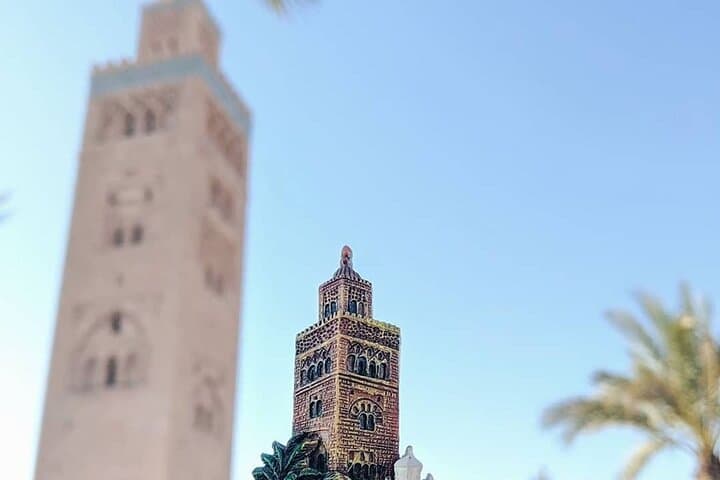
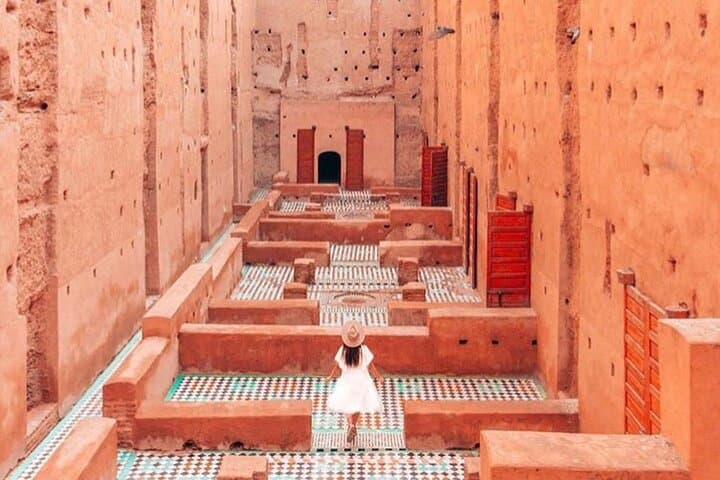
This 3–4 hour private walking tour threads through Marrakech’s layered history: Almohad minarets rising over Saadian palaces, Andalusi-influenced tilework at Ben Youssef Madrasa, and the 19th-century elegance of Bahia Palace. The city’s geology — red ochre walls of clay and stone — gives the medina its warm light, while garden spaces like Le Jardin Secret recall centuries of Islamic horticulture where water and shade were prized luxuries.
Along the way a local guide decodes artisan neighborhoods, explains the souk’s unwritten rules of bargaining, and points out smaller cultural markers: copper stamps, zellij tiles, and tiny riad entrances that hide quiet domestic life.
Practical guidance: wear broken-in, closed-toe shoes for uneven alleys and occasional cobblestones; carry a refillable water bottle and sun protection; keep valuables in a secure crossbody bag. Expect plenty of walking at a relaxed pace with stops at Ben Youssef, the Koutoubia outlook, Le Jardin Secret, and the open chaos of Jemaa el-Fnaa. Ask your guide about shopping etiquette and local crafts — they’ll often steer you to cooperative ateliers rather than tourist traps. If you want photos without crowds, schedule the tour for early morning or late afternoon. The medina rewards patience: step off the main aisles and small discoveries multiply.
easy.
3–4 hours.
Suitable for most fitness levels; requires continuous walking on uneven surfaces for several hours.
Expect 3–4 hours of mostly easy walking with regular stops; distances vary but plan for several kilometers across uneven streets.
This tour’s sample itinerary highlights locations but admissions may not be included—confirm with the operator before booking.
Many sections are stroller-accessible, but narrow alleys and steps can be challenging; the operator notes infant seats and stroller access available.
Tipping is customary; 10–15% of the tour cost or a few euros per person is typical if you’re satisfied with the experience.
Marrakech’s medina dates to the 11th century and grew under successive dynasties; many visible landmarks reflect Saadian and Almohad-era patronage.
Sustainable tourism focuses on supporting local cooperatives and reducing single-use plastics; respect private riads and avoid disturbing artisan workshops.
Marrakech4all operates guided outdoor trips and adventures with an emphasis on safety, stewardship, and memorable experiences.


You step out from a shaded riad courtyard and the medina inhales around you — spice stalls pushing cinnamon and cumin into the narrow air, leatherworkers tapping rhythm into a centuries-old craft, and alleyways folding into secret courtyards like pages in a map.
You step out from a shaded riad courtyard and the medina inhales around you — spice stalls pushing cinnamon and cumin into the narrow air, leatherworkers tapping rhythm into a centuries-old craft, and alleyways folding into secret courtyards like pages in a map.
This 3–4 hour private walking tour threads through Marrakech’s layered history: Almohad minarets rising over Saadian palaces, Andalusi-influenced tilework at Ben Youssef Madrasa, and the 19th-century elegance of Bahia Palace. The city’s geology — red ochre walls of clay and stone — gives the medina its warm light, while garden spaces like Le Jardin Secret recall centuries of Islamic horticulture where water and shade were prized luxuries.
Along the way a local guide decodes artisan neighborhoods, explains the souk’s unwritten rules of bargaining, and points out smaller cultural markers: copper stamps, zellij tiles, and tiny riad entrances that hide quiet domestic life.
Practical guidance: wear broken-in, closed-toe shoes for uneven alleys and occasional cobblestones; carry a refillable water bottle and sun protection; keep valuables in a secure crossbody bag. Expect plenty of walking at a relaxed pace with stops at Ben Youssef, the Koutoubia outlook, Le Jardin Secret, and the open chaos of Jemaa el-Fnaa. Ask your guide about shopping etiquette and local crafts — they’ll often steer you to cooperative ateliers rather than tourist traps. If you want photos without crowds, schedule the tour for early morning or late afternoon. The medina rewards patience: step off the main aisles and small discoveries multiply.