THE ADVENTURE COLLECTIVE® · Independent discovery and booking for outdoor travel

Wander the winding lanes of Marrakech’s medina with a private guide who opens doorways to dyeing workshops, carpet looms and spice apothecaries. This four-hour walking tour combines history, hands-on craft demonstrations and practical haggling tips to help you buy thoughtfully.
Wander the winding lanes of Marrakech’s medina with a private guide who opens doorways to dyeing workshops, carpet looms and spice apothecaries. This four-hour walking tour combines history, hands-on craft demonstrations and practical haggling tips to help you buy thoughtfully.
The medina breathes around you: alleys curve like whispered instructions, spices dare you to follow their scent, and high walls hold the city’s heat in a slow exhale. On this private souks tour, a local guide leads the pace—through narrow lanes where leather is dyed, carpets take shape on low looms, and apothecaries mix scents that cling to your sleeves.
Verified experiences and guided adventures in the surrounding area.
Operated by The craftsman of your trip · Marrakech, Marrakesh-Safi
The medina breathes around you: alleys curve like whispered instructions, spices dare you to follow their scent, and high walls hold the city’s heat in a slow exhale. On this private souks tour, a local guide leads the pace—through narrow lanes where leather is dyed, carpets take shape on low looms, and apothecaries mix scents that cling to your sleeves.
Marrakech’s souks grew from caravan trade routes and centuries of craft specialization, shaped by the Almoravid and later Saadian expansions that made the medina a regional hub. The markets sit on red-earth geology—clay and ochre that color buildings and dust alike—while the city’s layered history shows in an architectural mix: carved plaster, cedar doors, and tiled shops.
Culturally, the souks are active exchanges between makers and buyers; bargaining is part tradecraft, part social ritual. Your guide will introduce artisans whose techniques pass from parent to apprentice, and point out herbalists and tanners whose processes haven’t changed much in generations.
Practical guidance: wear supportive shoes for uneven flagstones, carry small bills and coins (many vendors prefer cash), and use a secure crossbody bag. Plan this four-hour walk for morning or late afternoon to avoid peak heat and the busiest crowds around Jemaa el-Fnaa. Bring water and a lightweight scarf for modesty in some workshops. Respect shop rules—ask before photographing and let the maker demonstrate goods.
A private souks tour offers more than purchases: it reveals the rhythm of trade, the continuity of craft, and how a living marketplace adapts while keeping its handwork alive.
easy.
4 hours.
Suitable for most fitness levels; requires standing and walking on uneven surfaces for several hours
Yes—polite haggling is customary; start lower than your target price and let the seller counter, using your guide for context on fair value.
Most small stalls and artisans only accept cash; some larger boutique stores may take cards but expect better prices with dirhams.
The listing indicates wheelchair accessibility, but medina terrain can include narrow passages and thresholds—check with your provider about specific routes and accommodations.
Yes; the private format focuses on visiting workshops—weavers, leather dyers and herbalists—so you can watch techniques and ask questions.
Marrakech’s souks evolved over centuries as craft-specific quarters tied to caravan trade; families often pass artisan skills down through generations.
Support artisans who use sustainable materials, avoid single-use plastics, and ask about material sourcing to reduce demand for endangered or imported goods.
The craftsman of your trip operates guided outdoor trips and adventures with an emphasis on safety, stewardship, and memorable experiences.
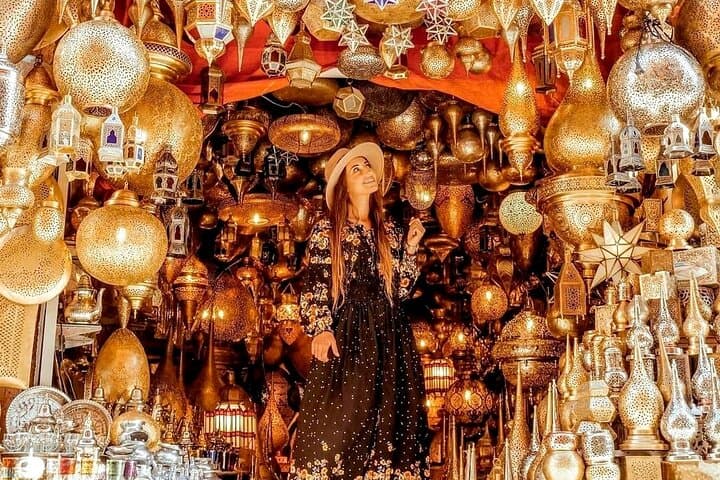
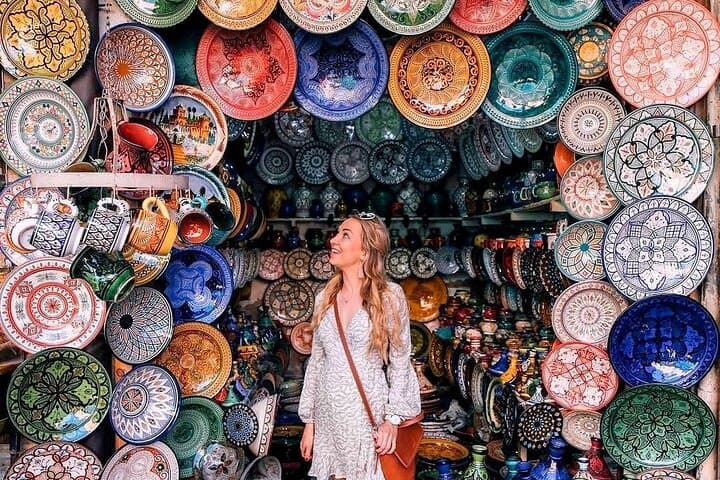
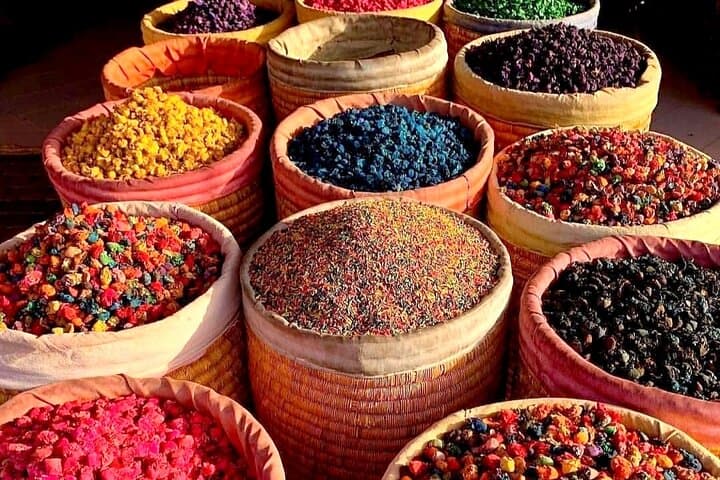
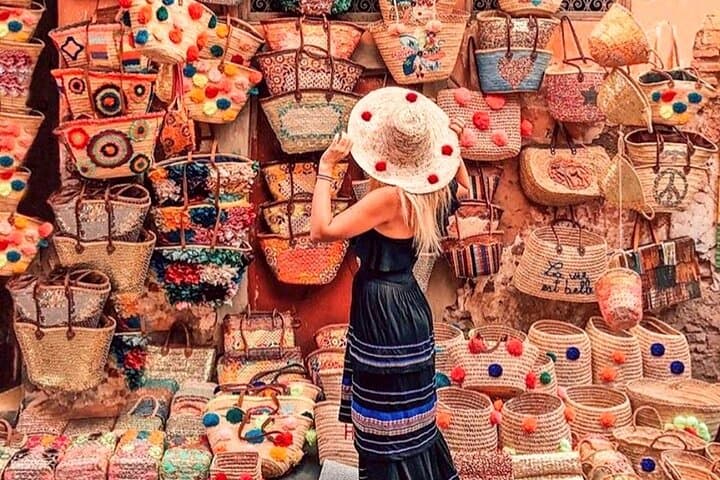
The medina breathes around you: alleys curve like whispered instructions, spices dare you to follow their scent, and high walls hold the city’s heat in a slow exhale. On this private souks tour, a local guide leads the pace—through narrow lanes where leather is dyed, carpets take shape on low looms, and apothecaries mix scents that cling to your sleeves.
The medina breathes around you: alleys curve like whispered instructions, spices dare you to follow their scent, and high walls hold the city’s heat in a slow exhale. On this private souks tour, a local guide leads the pace—through narrow lanes where leather is dyed, carpets take shape on low looms, and apothecaries mix scents that cling to your sleeves.
Marrakech’s souks grew from caravan trade routes and centuries of craft specialization, shaped by the Almoravid and later Saadian expansions that made the medina a regional hub. The markets sit on red-earth geology—clay and ochre that color buildings and dust alike—while the city’s layered history shows in an architectural mix: carved plaster, cedar doors, and tiled shops.
Culturally, the souks are active exchanges between makers and buyers; bargaining is part tradecraft, part social ritual. Your guide will introduce artisans whose techniques pass from parent to apprentice, and point out herbalists and tanners whose processes haven’t changed much in generations.
Practical guidance: wear supportive shoes for uneven flagstones, carry small bills and coins (many vendors prefer cash), and use a secure crossbody bag. Plan this four-hour walk for morning or late afternoon to avoid peak heat and the busiest crowds around Jemaa el-Fnaa. Bring water and a lightweight scarf for modesty in some workshops. Respect shop rules—ask before photographing and let the maker demonstrate goods.
A private souks tour offers more than purchases: it reveals the rhythm of trade, the continuity of craft, and how a living marketplace adapts while keeping its handwork alive.