THE ADVENTURE COLLECTIVE® · Independent discovery and booking for outdoor travel

Navigate Marrakech’s famous souks with a local guide—learn to haggle, visit artisan workshops, and finish on a rooftop with mint tea. This private tour focuses on spices, textiles, and authentic handicrafts while avoiding tourist traps.
Navigate Marrakech’s famous souks with a local guide—learn to haggle, visit artisan workshops, and finish on a rooftop with mint tea. This private tour focuses on spices, textiles, and authentic handicrafts while avoiding tourist traps.
The medina opens like a living map: narrow alleys cut through walls painted the city’s red clay, smells of toasted cumin and orange blossom drawing a path from Jemaa el-Fnaa into the labyrinth of stalls. On a private shopping tour, a certified local guide steers you past the obvious stalls into workshops where leather is dyed, copper is hammered, and rugs are measured on low tables between sunlit doorways.
Verified experiences and guided adventures in the surrounding area.
Operated by Morocco Private Expert · Marrakech, Marrakesh-Safi
The medina opens like a living map: narrow alleys cut through walls painted the city’s red clay, smells of toasted cumin and orange blossom drawing a path from Jemaa el-Fnaa into the labyrinth of stalls. On a private shopping tour, a certified local guide steers you past the obvious stalls into workshops where leather is dyed, copper is hammered, and rugs are measured on low tables between sunlit doorways.
Marrakech’s souks evolved around caravan trade routes and local crafts over centuries; the market network still follows medieval parceling and guild-based streets—Souk Semmarine for textiles, Souk el Attarine for spices and perfumery, Rahba Kedima for everyday life. The palette of the place is geological as well as cultural: the ochre adobe and red-clay façades echo the foothills of the High Atlas to the south.
Beyond shopping, the tour is a cultural primer: how to haggle respectfully, where cooperatives sell authentic goods, and which rooftop cafés offer a clear view of the square and the call to prayer threading through the alleys. Expect hands-on demonstrations—argan pressing, metalworking—and time to test prices with a guide’s backing.
Practical notes: wear comfortable closed shoes for uneven flagstones, carry a small backpack for purchases, and plan this for early morning or late afternoon to avoid peak heat. Bring small-denomination cash for bargaining; many artisans accept cards but small shops may not. Hydrate often—the dry climate encourages quick dehydration. With a guide, the medina becomes less confusing and far more rewarding: a structured way to shop, learn, and leave with goods and stories rather than souvenirs alone.
easy.
3–4 hours.
Low; suitable for most travelers comfortable walking short urban distances repeatedly over uneven ground
Budget depends on items: spices and small textiles are inexpensive; handwoven rugs and furniture can range from hundreds to thousands of dirham—your guide can suggest price ranges and bargaining strategies.
Yes; the tour is rated easy and paced for most fitness levels, but note the narrow, crowded alleys and uneven ground—inform the operator of mobility needs in advance.
Many vendors and art galleries offer shipping and wholesale options; your guide can point out reputable services and clarify costs and packaging.
Most marketplaces expect bargaining; start lower than the asking price, be polite, and allow the guide to advise on fair offers—cooperatives sometimes have fixed prices for fair-trade goods.
The souks grew from medieval caravan trade and guild systems; Jemaa el-Fnaa has been a commercial and social hub for centuries and is recognized for its cultural importance.
Support artisan cooperatives and choose locally made goods to keep traditional crafts viable; avoid overpacking fragile antiques and request sustainable packaging when possible.
Morocco Private Expert operates guided outdoor trips and adventures with an emphasis on safety, stewardship, and memorable experiences.
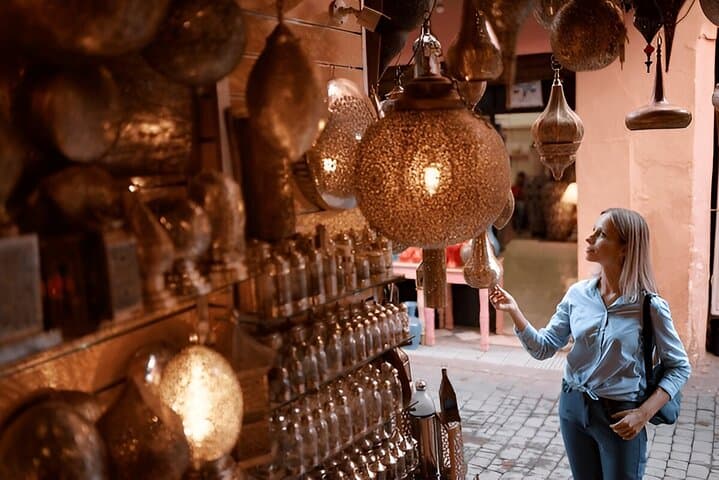
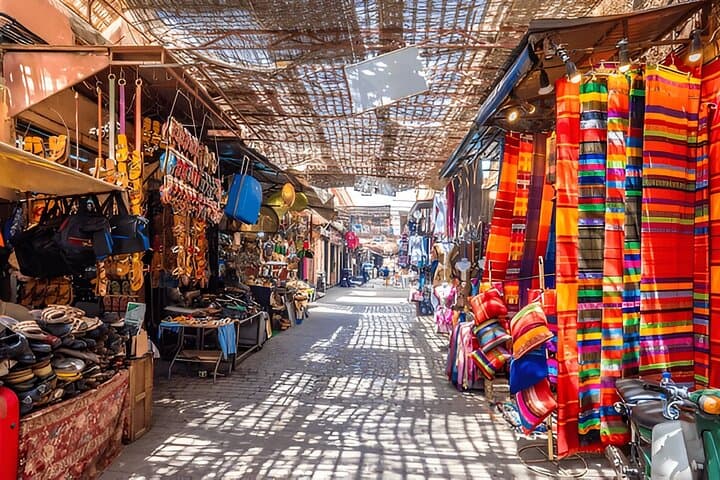
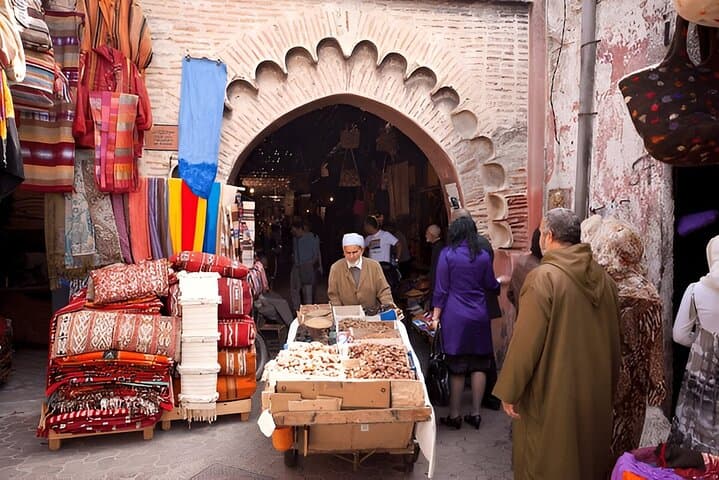
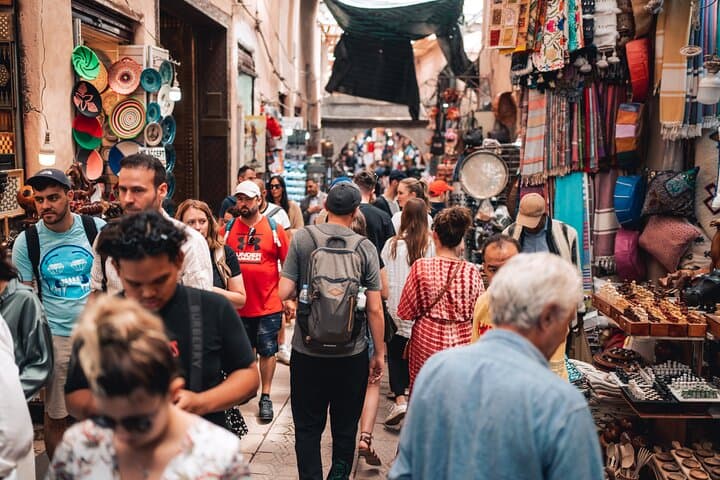
The medina opens like a living map: narrow alleys cut through walls painted the city’s red clay, smells of toasted cumin and orange blossom drawing a path from Jemaa el-Fnaa into the labyrinth of stalls. On a private shopping tour, a certified local guide steers you past the obvious stalls into workshops where leather is dyed, copper is hammered, and rugs are measured on low tables between sunlit doorways.
The medina opens like a living map: narrow alleys cut through walls painted the city’s red clay, smells of toasted cumin and orange blossom drawing a path from Jemaa el-Fnaa into the labyrinth of stalls. On a private shopping tour, a certified local guide steers you past the obvious stalls into workshops where leather is dyed, copper is hammered, and rugs are measured on low tables between sunlit doorways.
Marrakech’s souks evolved around caravan trade routes and local crafts over centuries; the market network still follows medieval parceling and guild-based streets—Souk Semmarine for textiles, Souk el Attarine for spices and perfumery, Rahba Kedima for everyday life. The palette of the place is geological as well as cultural: the ochre adobe and red-clay façades echo the foothills of the High Atlas to the south.
Beyond shopping, the tour is a cultural primer: how to haggle respectfully, where cooperatives sell authentic goods, and which rooftop cafés offer a clear view of the square and the call to prayer threading through the alleys. Expect hands-on demonstrations—argan pressing, metalworking—and time to test prices with a guide’s backing.
Practical notes: wear comfortable closed shoes for uneven flagstones, carry a small backpack for purchases, and plan this for early morning or late afternoon to avoid peak heat. Bring small-denomination cash for bargaining; many artisans accept cards but small shops may not. Hydrate often—the dry climate encourages quick dehydration. With a guide, the medina becomes less confusing and far more rewarding: a structured way to shop, learn, and leave with goods and stories rather than souvenirs alone.