THE ADVENTURE COLLECTIVE® · Independent discovery and booking for outdoor travel

Hike to a hilltop for a Pacific sunset, then follow an ICT-certified guide back through a private reserve to search for nocturnal wildlife. Expect up-close sloths, toucans and night frogs on this 3.5-hour private tour near Manuel Antonio.
Hike to a hilltop for a Pacific sunset, then follow an ICT-certified guide back through a private reserve to search for nocturnal wildlife. Expect up-close sloths, toucans and night frogs on this 3.5-hour private tour near Manuel Antonio.
The trail opens under heat-slowed daylight; humidity clings to your skin and the jungle pushes its green canopy overhead as you climb. Toucans call from the crown, monkeys thread through branches, and the Pacific stretches at the horizon — a living line that seems to pull the sunset toward it. At the hilltop the sky tilts orange and the coastline hardens into silhouette. When twilight falls, the forest changes voice: frogs answer from leaves and bats cut quiet arcs while your guide trains Swarovski optics into the dim.
Verified experiences and guided adventures in the surrounding area.
Operated by Travel and Birding · Manuel Antonio, Puntarenas
The trail opens under heat-slowed daylight; humidity clings to your skin and the jungle pushes its green canopy overhead as you climb. Toucans call from the crown, monkeys thread through branches, and the Pacific stretches at the horizon — a living line that seems to pull the sunset toward it. At the hilltop the sky tilts orange and the coastline hardens into silhouette. When twilight falls, the forest changes voice: frogs answer from leaves and bats cut quiet arcs while your guide trains Swarovski optics into the dim.
This private reserve sits on the edge of the Manuel Antonio ecosystem on Costa Rica’s central Pacific coast, near Quepos. The park and surrounding protected lands were part of Costa Rica’s conservation push in the 1970s and have since supported ecotourism that balances visitor access with species protection. Geologically the coast is low-elevation tropical rainforest over volcanic and marine sediments; trails are typically packed soil with exposed roots and occasional rocky steps. Culturally, the guides you’ll meet are locally trained and ICT-certified — a direct link between communities and conservation.
Practically: the tour runs roughly 3.5 hours, involves an uphill approach and a steeper descent, and requires moderate fitness. Expect both daylight and nocturnal spotting, bring a headlamp (guides will provide flashlights), long sleeves, insect repellent and closed-toe shoes. Hydrate before you start, move quietly at night, and follow your guide’s lead to minimize disturbance to wildlife. This is a compact, high-value way to see Manuel Antonio’s coastal rainforest in two very different lights.
moderate.
3–4 hours.
Moderate fitness with ability to hike uphill for 20–30 minutes and handle uneven terrain on descent
Children with good mobility can join, but the tour requires steady footing and a quiet approach; check age limits with the operator during booking.
Wildlife sightings are common — sloths, toucans and capuchin or howler monkeys are frequently seen — but no sighting is guaranteed; behavior varies by season and time.
Long sleeves and long pants help with insects and cooler coastal breezes after sunset; non-slip shoes are recommended for descent.
Private transportation is listed as included on this tour, but confirm pickup point and timing when you book.
Manuel Antonio and surrounding reserves became focal points in Costa Rica’s 1970s conservation expansion; protected land and community-based guiding helped build the area’s ecotourism economy.
Stick to trails, don’t feed wildlife, and follow guide instructions — private reserves and park buffers depend on low-impact visitorship to protect species and habitats.
Travel and Birding operates guided outdoor trips and adventures with an emphasis on safety, stewardship, and memorable experiences.
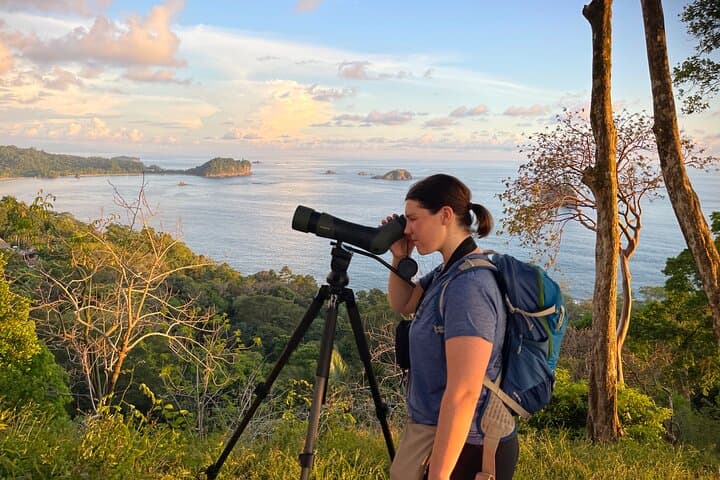
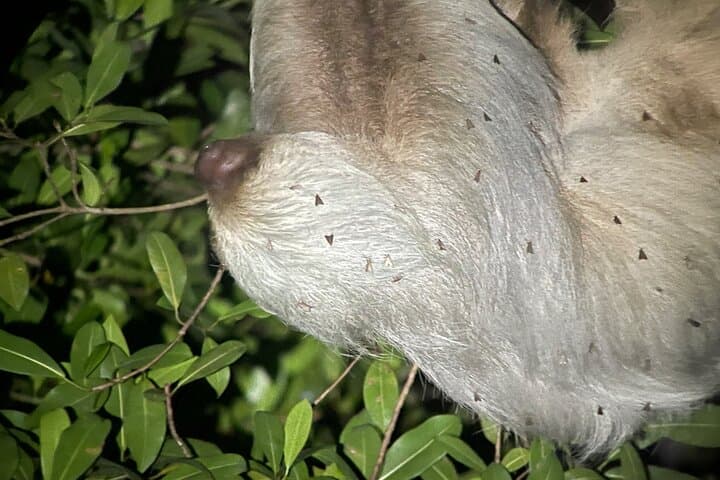
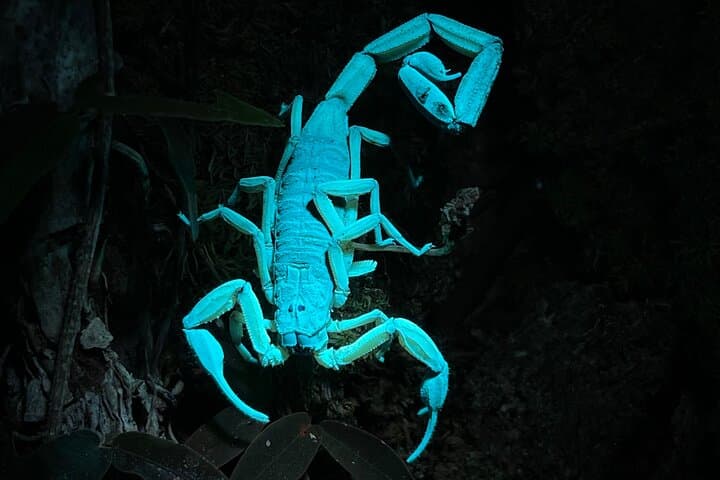
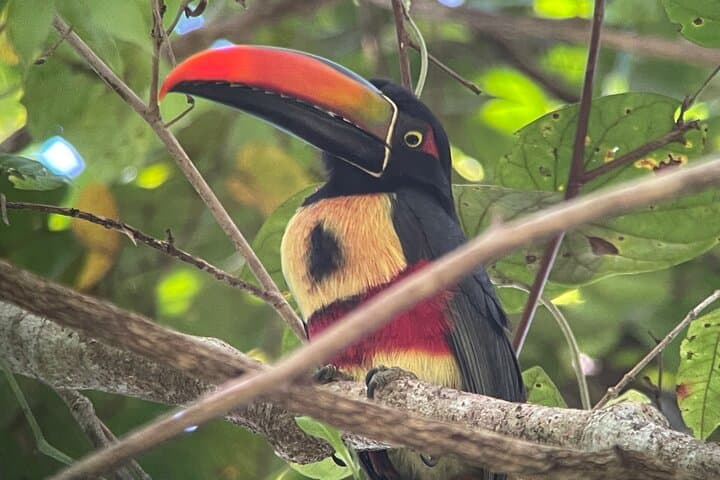
The trail opens under heat-slowed daylight; humidity clings to your skin and the jungle pushes its green canopy overhead as you climb. Toucans call from the crown, monkeys thread through branches, and the Pacific stretches at the horizon — a living line that seems to pull the sunset toward it. At the hilltop the sky tilts orange and the coastline hardens into silhouette. When twilight falls, the forest changes voice: frogs answer from leaves and bats cut quiet arcs while your guide trains Swarovski optics into the dim.
The trail opens under heat-slowed daylight; humidity clings to your skin and the jungle pushes its green canopy overhead as you climb. Toucans call from the crown, monkeys thread through branches, and the Pacific stretches at the horizon — a living line that seems to pull the sunset toward it. At the hilltop the sky tilts orange and the coastline hardens into silhouette. When twilight falls, the forest changes voice: frogs answer from leaves and bats cut quiet arcs while your guide trains Swarovski optics into the dim.
This private reserve sits on the edge of the Manuel Antonio ecosystem on Costa Rica’s central Pacific coast, near Quepos. The park and surrounding protected lands were part of Costa Rica’s conservation push in the 1970s and have since supported ecotourism that balances visitor access with species protection. Geologically the coast is low-elevation tropical rainforest over volcanic and marine sediments; trails are typically packed soil with exposed roots and occasional rocky steps. Culturally, the guides you’ll meet are locally trained and ICT-certified — a direct link between communities and conservation.
Practically: the tour runs roughly 3.5 hours, involves an uphill approach and a steeper descent, and requires moderate fitness. Expect both daylight and nocturnal spotting, bring a headlamp (guides will provide flashlights), long sleeves, insect repellent and closed-toe shoes. Hydrate before you start, move quietly at night, and follow your guide’s lead to minimize disturbance to wildlife. This is a compact, high-value way to see Manuel Antonio’s coastal rainforest in two very different lights.