THE ADVENTURE COLLECTIVE® · Independent discovery and booking for outdoor travel

Use your smartphone as a private guide through Manchester’s centre: 18 stops, GPS routes and local stories that cover Roman origins, industrial might and modern culture. Flexible, accessible and ideal for independent explorers.
Use your smartphone as a private guide through Manchester’s centre: 18 stops, GPS routes and local stories that cover Roman origins, industrial might and modern culture. Flexible, accessible and ideal for independent explorers.
You step out of the rain into a wide stone square and the city snaps into focus: red-brick warehouses, a canal cutting a slow silver line, and tram wires sketching geometry above. This self-guided tour hands you a phone and a map; you decide when to linger at a cathedral doorway or duck into a market hall for a steaming pie.
Verified experiences and guided adventures in the surrounding area.
Operated by Pandemic Tours · Manchester, Greater Manchester
You step out of the rain into a wide stone square and the city snaps into focus: red-brick warehouses, a canal cutting a slow silver line, and tram wires sketching geometry above. This self-guided tour hands you a phone and a map; you decide when to linger at a cathedral doorway or duck into a market hall for a steaming pie.
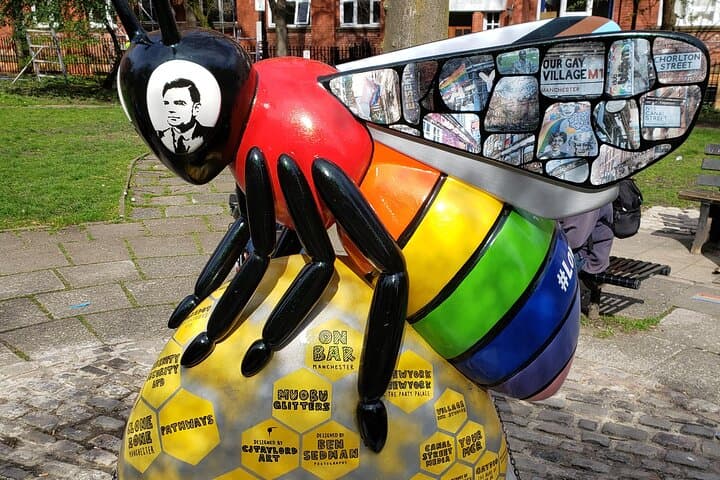
Manchester’s story is blunt and human — a Roman fort that grew into one of the engines of the Industrial Revolution. The city centre still reads like a ledger of that past: cotton warehouses converted to galleries, canals that ferried bales and now host cafes, and civic buildings that show Victorian ambition. Music, football and computing (Alan Turing’s nearby legacy) thread into local culture; the streets are as much about industry as they are about community campaigns, post-war rebuilding and queer history along Canal Street.
Practically, the route is flat and compact: expect 2–3 hours of walking with roughly 18 curated stops spread across a few square kilometres. The app provides GPS routes, audio commentary and photos — useful at Junctions and squares where plaques might be sparse. Wear waterproof layers, charge your phone and leave time to pop into John Rylands Library or the Corn Exchange. If you prefer quiet, start early on a weekday; football and events can swell crowds. The self-guided format gives flexibility: pause, detour to a café, or extend the loop. For anyone wanting an efficient, independent introduction to Manchester, this tour translates the city’s architecture and anecdotes into a clear, walkable narrative.
easy.
2–3 hours.
Suitable for most fitness levels; involves continuous walking with short stops.
After booking you’ll get an email with a code and instructions; open the app, enter the code, then begin at the first listed stop in the city centre.
Yes — the tour and its mapped route are designed to be wheelchair and stroller accessible, with mostly flat surfaces and public transport nearby.
Yes — the app allows you to pause, replay audio segments and spend extra time at any stop within your access period (three weeks of access).
The tour runs in all weather; dress appropriately. Bookings are final and non-refundable, so keep that in mind for severe conditions.
Manchester grew from a Roman fort into the world’s textile hub during the Industrial Revolution; its canals and warehouses map that transformation.
Central Manchester balances tourism with preservation — stick to paths, avoid feeding wildlife and support adaptive reuse of heritage buildings by visiting converted museums and markets.
Pandemic Tours operates guided outdoor trips and adventures with an emphasis on safety, stewardship, and memorable experiences.
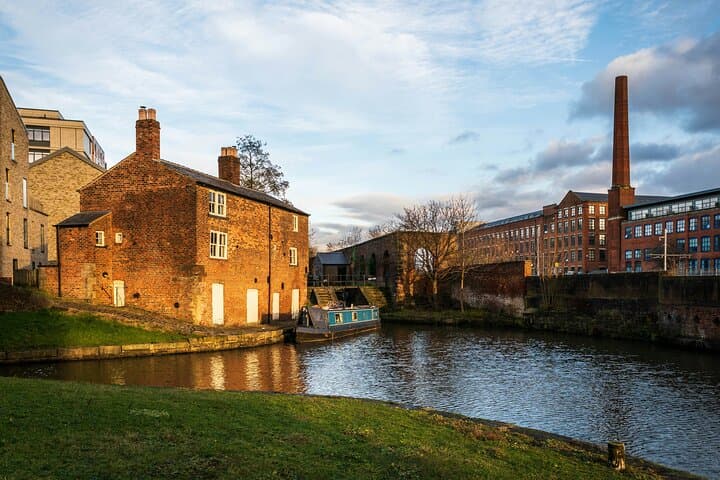
You step out of the rain into a wide stone square and the city snaps into focus: red-brick warehouses, a canal cutting a slow silver line, and tram wires sketching geometry above. This self-guided tour hands you a phone and a map; you decide when to linger at a cathedral doorway or duck into a market hall for a steaming pie.
You step out of the rain into a wide stone square and the city snaps into focus: red-brick warehouses, a canal cutting a slow silver line, and tram wires sketching geometry above. This self-guided tour hands you a phone and a map; you decide when to linger at a cathedral doorway or duck into a market hall for a steaming pie.
Manchester’s story is blunt and human — a Roman fort that grew into one of the engines of the Industrial Revolution. The city centre still reads like a ledger of that past: cotton warehouses converted to galleries, canals that ferried bales and now host cafes, and civic buildings that show Victorian ambition. Music, football and computing (Alan Turing’s nearby legacy) thread into local culture; the streets are as much about industry as they are about community campaigns, post-war rebuilding and queer history along Canal Street.
Practically, the route is flat and compact: expect 2–3 hours of walking with roughly 18 curated stops spread across a few square kilometres. The app provides GPS routes, audio commentary and photos — useful at Junctions and squares where plaques might be sparse. Wear waterproof layers, charge your phone and leave time to pop into John Rylands Library or the Corn Exchange. If you prefer quiet, start early on a weekday; football and events can swell crowds. The self-guided format gives flexibility: pause, detour to a café, or extend the loop. For anyone wanting an efficient, independent introduction to Manchester, this tour translates the city’s architecture and anecdotes into a clear, walkable narrative.