THE ADVENTURE COLLECTIVE® · Independent discovery and booking for outdoor travel

A focused, two-hour private walk from the Dark Door through Parque de Málaga to the Alcazaba and Picasso’s birthplace, mixing compact history with local tips. Ideal for visitors who want a curated city orientation without the lecture-style tour.
A focused, two-hour private walk from the Dark Door through Parque de Málaga to the Alcazaba and Picasso’s birthplace, mixing compact history with local tips. Ideal for visitors who want a curated city orientation without the lecture-style tour.
You meet at the Dark Door — a weathered port gate where gulls wheel over the harbor and the scent of sea and citrus hangs in the air. The guide falls into step with you, voice tuned to stories: Moorish builders, Roman stone, and the child who would become Picasso.
Verified experiences and guided adventures in the surrounding area.
Operated by Mira Mira Malaga · Málaga, Andalusia
You meet at the Dark Door — a weathered port gate where gulls wheel over the harbor and the scent of sea and citrus hangs in the air. The guide falls into step with you, voice tuned to stories: Moorish builders, Roman stone, and the child who would become Picasso.
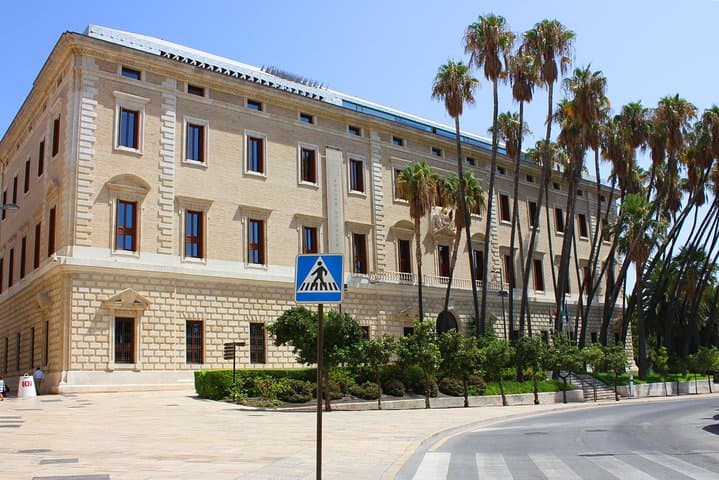
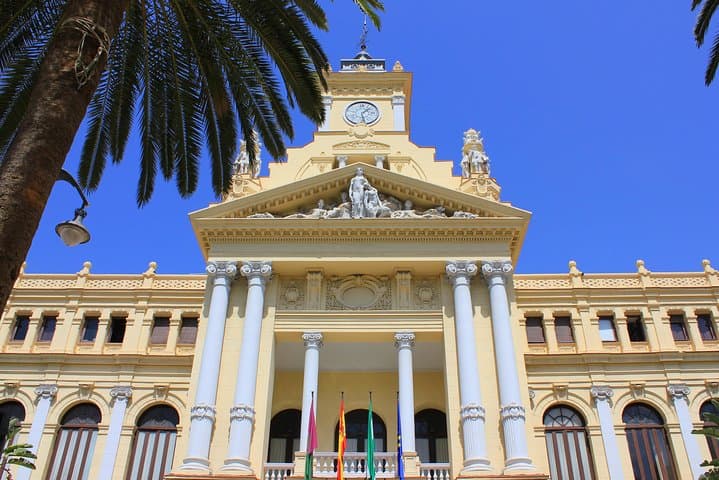
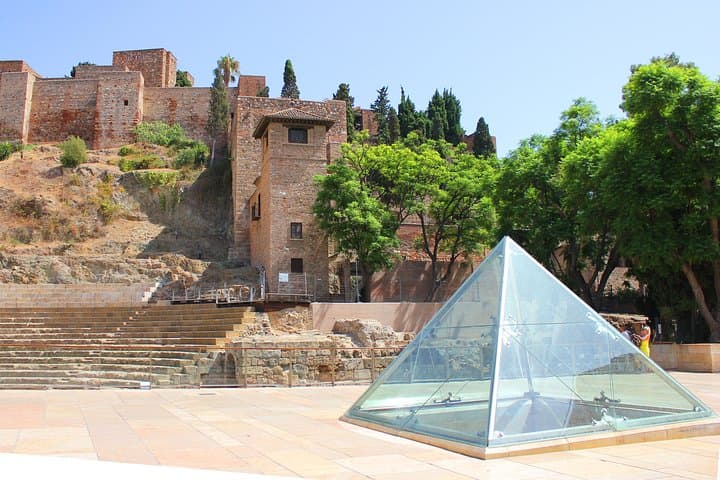
The route threads through Parque de Málaga’s palm alleys (over 150 exotic species), past early-20th-century facades of the Town Hall and the university, then into the layers of the old city. The Roman theatre resurfaces at your feet; above it rises the Alcazaba, an 11th-century Moorish fortress with terraces that push you toward the harbor view. The unfinished cathedral — La Manquita — reveals Renaissance and Baroque influences and a visible stitch of the city’s Muslim and Christian past. A stop at Plaza de la Merced sketches Picasso’s early years and local customs like the New Year grape ritual.
This private, two-hour walk is adaptable: you can prioritize monuments, gardens, or neighborhood life. Plan for climbs (the Alcazaba visit is roughly 40 minutes up and down) and bring small change for entry fees — Alcazaba ~€3.50, Picasso birthplace ~€3.50, cathedral ~€7 (not included).
Practical notes: comfortable shoes and a water bottle matter more than heavy packs; mid-morning or late afternoon avoids peak sun and heat. Public transport and taxis are nearby; the guide can tailor pace and accessibility needs. Expect engaging local stories, quick historical context, and a compact orientation to Málaga that leaves room for more exploration afterward.
moderate.
2 hours.
Moderate — brief climbs and standing for interpretation; suitable for most walkers with steady balance.
No — entrance fees for sites like the Alcazaba, Picasso Birthplace and the cathedral are not included; guides can advise current prices and queue options.
The meeting point is the historic Dark Door by the old port gate; the route is circular and typically finishes near the city center within walking distance of transport.
The tour can be adapted, but the Alcazaba involves uneven steps and some climbs; request an adjusted route when booking if mobility is limited.
The guide can adapt to visitor preferences; confirm the language at booking to ensure availability.
Málaga’s Alcazaba is an 11th-century Moorish fortress; the Roman theatre below it was rediscovered and exposed in the 20th century. The cathedral, nicknamed La Manquita, remains unfinished since the 18th century.
Historic stonework is sensitive—stay on marked paths and avoid touching fragile masonry; support local guides and businesses to keep cultural tourism sustainable.
Mira Mira Malaga operates guided outdoor trips and adventures with an emphasis on safety, stewardship, and memorable experiences.
You meet at the Dark Door — a weathered port gate where gulls wheel over the harbor and the scent of sea and citrus hangs in the air. The guide falls into step with you, voice tuned to stories: Moorish builders, Roman stone, and the child who would become Picasso.
You meet at the Dark Door — a weathered port gate where gulls wheel over the harbor and the scent of sea and citrus hangs in the air. The guide falls into step with you, voice tuned to stories: Moorish builders, Roman stone, and the child who would become Picasso.
The route threads through Parque de Málaga’s palm alleys (over 150 exotic species), past early-20th-century facades of the Town Hall and the university, then into the layers of the old city. The Roman theatre resurfaces at your feet; above it rises the Alcazaba, an 11th-century Moorish fortress with terraces that push you toward the harbor view. The unfinished cathedral — La Manquita — reveals Renaissance and Baroque influences and a visible stitch of the city’s Muslim and Christian past. A stop at Plaza de la Merced sketches Picasso’s early years and local customs like the New Year grape ritual.
This private, two-hour walk is adaptable: you can prioritize monuments, gardens, or neighborhood life. Plan for climbs (the Alcazaba visit is roughly 40 minutes up and down) and bring small change for entry fees — Alcazaba ~€3.50, Picasso birthplace ~€3.50, cathedral ~€7 (not included).
Practical notes: comfortable shoes and a water bottle matter more than heavy packs; mid-morning or late afternoon avoids peak sun and heat. Public transport and taxis are nearby; the guide can tailor pace and accessibility needs. Expect engaging local stories, quick historical context, and a compact orientation to Málaga that leaves room for more exploration afterward.