THE ADVENTURE COLLECTIVE® · Independent discovery and booking for outdoor travel

A private full-day service from Cusco to Machu Picchu—train, bus and a guided visit—delivers the citadel’s history and dramatic geology with logistical ease. This guide explains what to expect, how to prepare, and the practicalities that make the day run smoothly.
A private full-day service from Cusco to Machu Picchu—train, bus and a guided visit—delivers the citadel’s history and dramatic geology with logistical ease. This guide explains what to expect, how to prepare, and the practicalities that make the day run smoothly.
Before sunrise the road from Cusco slips beneath your wheels and the Andes open like chapters of stone and cloud.
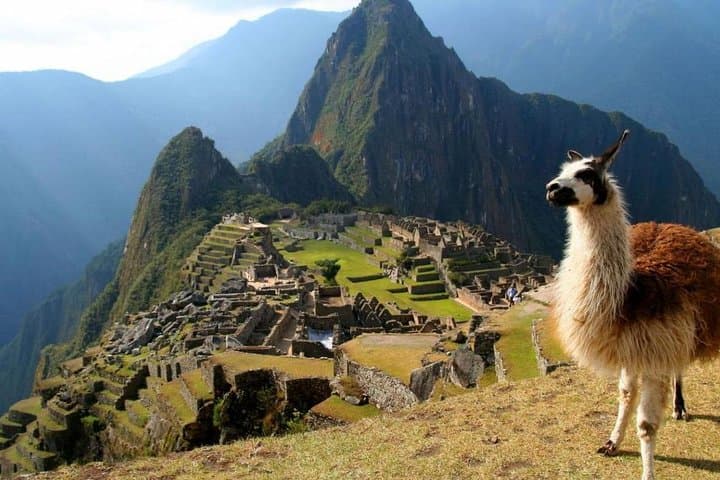
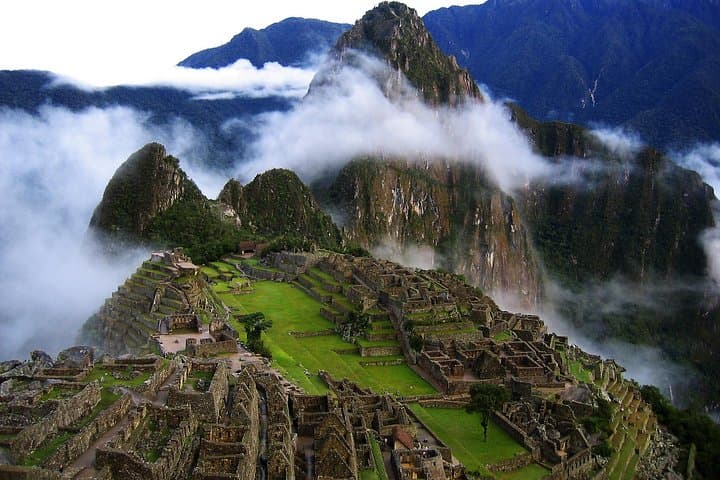
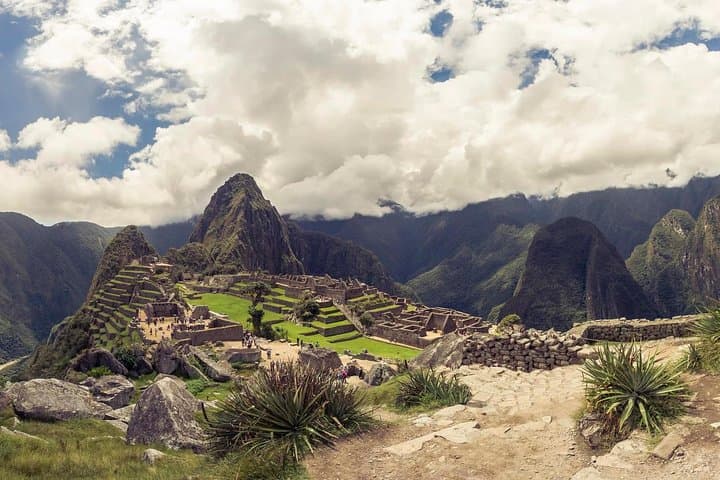
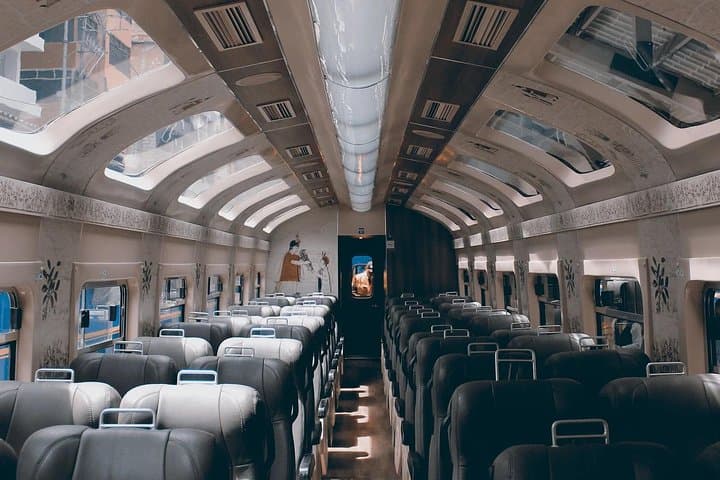
You arrive at Ollantaytambo station as light tightens on terraces, then slide by river gorges on a 1 hour 50 minute train run to Aguas Calientes. From the town the shuttle bus climbs—hairpin and cloud—until Machu Picchu appears, its cyclopean walls and terraces cut into a steep green spine.
Verified experiences and guided adventures in the surrounding area.
Operated by Conde Travel · Aguas Calientes (Machu Picchu Pueblo), Cusco Region
Before sunrise the road from Cusco slips beneath your wheels and the Andes open like chapters of stone and cloud.
You arrive at Ollantaytambo station as light tightens on terraces, then slide by river gorges on a 1 hour 50 minute train run to Aguas Calientes. From the town the shuttle bus climbs—hairpin and cloud—until Machu Picchu appears, its cyclopean walls and terraces cut into a steep green spine.
The citadel dates to the 15th-century Inca expansion under Pachacuti and sits on a kink in the Vilcanota River where tectonic uplift carved dramatic cliffs. Stonework here is precise: ashlar blocks that fit without mortar, doorways oriented to solar events like the Intihuatana ritual stone.
Culturally the site still carries living Quechua memory—guides explain agricultural terraces, ceremonial platforms, and the engineering behind the drainage channels that keep the citadel intact during rainy seasons.
Practical guidance: expect a 12-hour day starting very early; bring layers for cold mornings and sudden showers, and plan 2–3 hours for the guided circuit plus time to absorb viewpoints. Train round-trip, bus transfer to the citadel, breakfast, snacks, and an English/Spanish guide are included. You’ll walk uneven stone paths with short steep steps rather than sustained climbs, so good ankle support matters.
Respect site limits: stay on marked routes, carry out trash, and allow space for other groups at viewpoints. Finished, the train and bus return you to Ollantaytambo and back to Cusco, leaving a day full of high-altitude light and hard-won perspectives.
moderate.
12 hours.
Suitable for travelers in regular physical condition who can walk uneven stone steps and stand for 2–3 hours during the guided tour.
Yes—the itinerary specifies admission to the Machu Picchu citadel is included as part of the guided visit.
The tour begins very early with hotel pickup (itinerary shows a 3:30am pickup) and runs approximately 12 hours, including train and bus transfers and the guided visit.
Yes—round-trip train travel to Aguas Calientes, bus transfers up to Machu Picchu, and transport between Cusco and Ollantaytambo are included in this private service.
Cusco and the Machu Picchu area are at high elevation; travelers with cardiovascular issues should consult a doctor, and all visitors should hydrate and pace themselves—altitude sickness prevention is recommended.
Machu Picchu was constructed in the 15th century during the reign of the Inca Pachacuti and later abandoned in the 16th century; rediscovered by Hiram Bingham in 1911 and designated a UNESCO World Heritage site in 1983.
Visitor numbers are regulated to reduce erosion and protect archaeological zones—follow designated paths, use refillable water bottles, and avoid touching carved stonework.
Conde Travel operates guided outdoor trips and adventures with an emphasis on safety, stewardship, and memorable experiences.
Before sunrise the road from Cusco slips beneath your wheels and the Andes open like chapters of stone and cloud.
You arrive at Ollantaytambo station as light tightens on terraces, then slide by river gorges on a 1 hour 50 minute train run to Aguas Calientes. From the town the shuttle bus climbs—hairpin and cloud—until Machu Picchu appears, its cyclopean walls and terraces cut into a steep green spine.
Before sunrise the road from Cusco slips beneath your wheels and the Andes open like chapters of stone and cloud.
You arrive at Ollantaytambo station as light tightens on terraces, then slide by river gorges on a 1 hour 50 minute train run to Aguas Calientes. From the town the shuttle bus climbs—hairpin and cloud—until Machu Picchu appears, its cyclopean walls and terraces cut into a steep green spine.
The citadel dates to the 15th-century Inca expansion under Pachacuti and sits on a kink in the Vilcanota River where tectonic uplift carved dramatic cliffs. Stonework here is precise: ashlar blocks that fit without mortar, doorways oriented to solar events like the Intihuatana ritual stone.
Culturally the site still carries living Quechua memory—guides explain agricultural terraces, ceremonial platforms, and the engineering behind the drainage channels that keep the citadel intact during rainy seasons.
Practical guidance: expect a 12-hour day starting very early; bring layers for cold mornings and sudden showers, and plan 2–3 hours for the guided circuit plus time to absorb viewpoints. Train round-trip, bus transfer to the citadel, breakfast, snacks, and an English/Spanish guide are included. You’ll walk uneven stone paths with short steep steps rather than sustained climbs, so good ankle support matters.
Respect site limits: stay on marked routes, carry out trash, and allow space for other groups at viewpoints. Finished, the train and bus return you to Ollantaytambo and back to Cusco, leaving a day full of high-altitude light and hard-won perspectives.