THE ADVENTURE COLLECTIVE® · Independent discovery and booking for outdoor travel

Explore Machu Picchu with a private guide on a 2–3 hour walk through terraces, plazas and viewpoints. Learn construction methods, Inca beliefs and site history while your guide times stops to avoid crowds and coordinate mountain permits.
Explore Machu Picchu with a private guide on a 2–3 hour walk through terraces, plazas and viewpoints. Learn construction methods, Inca beliefs and site history while your guide times stops to avoid crowds and coordinate mountain permits.
The morning fog lifts off the Urubamba Valley and Machu Picchu’s terraces step into view—stone walls catching the first light while the mountain draws a slow, constant breath. Your private guide leads you along narrow Inca stairways and past ceremonial plazas, pausing at viewpoints where the citadel seems to rearrange itself with every angle.
Verified experiences and guided adventures in the surrounding area.
Operated by GO PERU ADVENTURE · Aguas Calientes, Cusco
The morning fog lifts off the Urubamba Valley and Machu Picchu’s terraces step into view—stone walls catching the first light while the mountain draws a slow, constant breath. Your private guide leads you along narrow Inca stairways and past ceremonial plazas, pausing at viewpoints where the citadel seems to rearrange itself with every angle.
Built in the 15th century under the Inca ruler Pachacuti and reintroduced to the world by Hiram Bingham in 1911, Machu Picchu sits on a limestone ridge carved by glacial and fluvial forces. The citadel’s engineered terraces and drainage reflect both sacred cosmology and hard-won practicality: water is directed and terraces anchor steep slopes. Local Quechua culture remains present in stories and place names; guides translate those meanings into context that reaches beyond the stones.
Expect a 2–3 hour focused walk across uneven paths, stone steps and compacted dirt—most visitors spend roughly that time on a guided circuit. The site is high (about 2,430 m), so breath comes harder and your pace will be deliberate. Photography windows are limited and crowds concentrate at the Guardhouse and main plaza, so a private guide times stops to avoid jams and explain building techniques, deities and the options for Huayna Picchu or Machu Picchu Mountain (separate permits).
Practicalities: bring layered clothing, sun protection and 1–2 liters of water, wear sturdy footwear, and arrive with entrance tickets timed for your chosen AM or PM slot. Respect site rules—stay on marked paths and follow your guide to minimize erosion and help preserve this UNESCO World Heritage site for the next travelers.
moderate.
2–3 hours.
Moderate: able to walk on uneven ground and climb many stone steps at high altitude
Yes — an official timed entrance ticket is required and must match the AM or PM slot; guides cannot enter without a valid ticket for each guest.
Yes if you’ve purchased the separate permit for those peaks; availability is limited and your guide will coordinate timing to fit the citadel visit.
The guided route covers uneven stone steps and terraces at about 2,430 m elevation—moderate fitness is recommended and those with heart or spinal conditions should avoid strenuous sections.
Photography for personal use is allowed, but drones are prohibited; large backpacks may be restricted at the entrance and should be checked or left at your accommodation if possible.
Machu Picchu was constructed in the mid-15th century under Pachacuti and served administrative, agricultural and ceremonial roles; its 20th-century scientific ‘rediscovery’ popularized global archaeological interest.
The site is managed with strict visitor limits, timed entries and designated paths to reduce erosion—follow guide instructions and avoid touching masonry to help preserve the ruins.
GO PERU ADVENTURE operates guided outdoor trips and adventures with an emphasis on safety, stewardship, and memorable experiences.
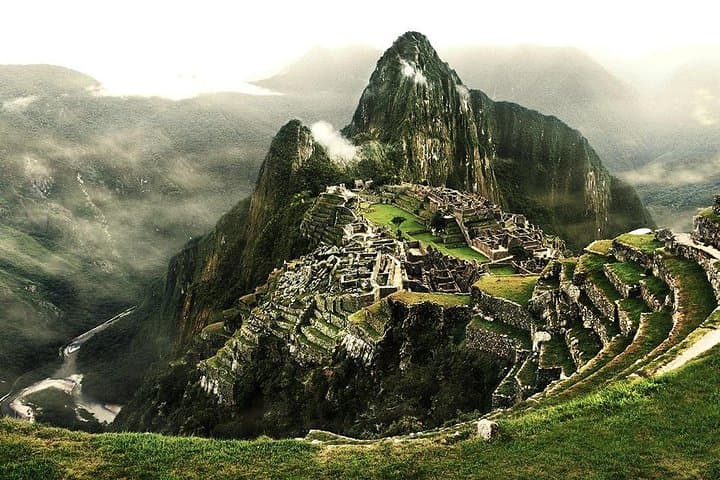
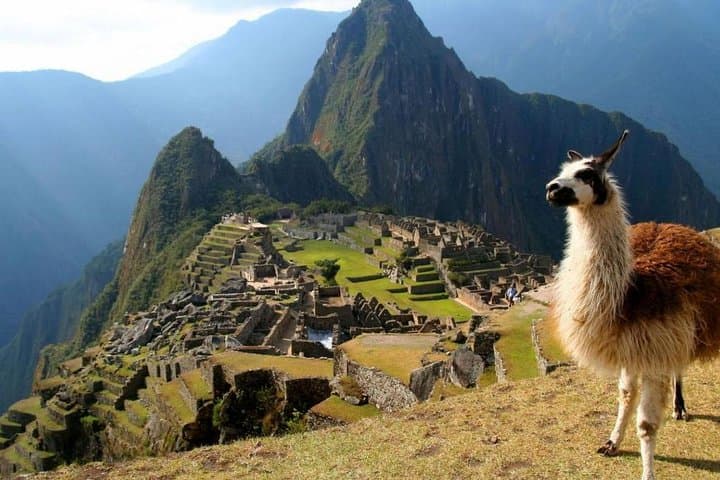
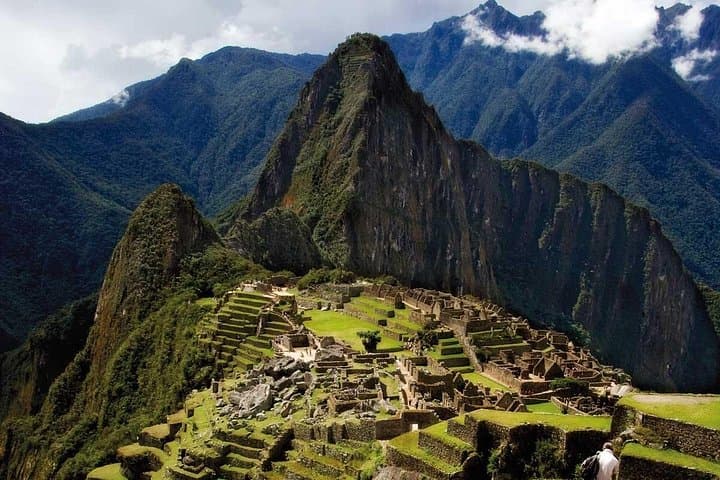
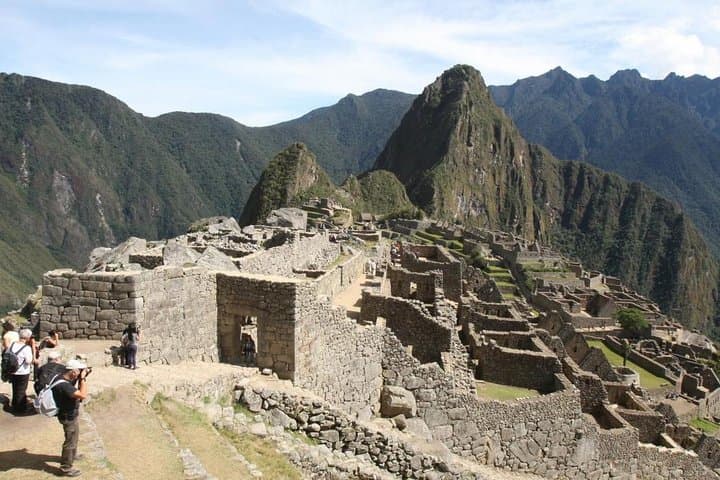
The morning fog lifts off the Urubamba Valley and Machu Picchu’s terraces step into view—stone walls catching the first light while the mountain draws a slow, constant breath. Your private guide leads you along narrow Inca stairways and past ceremonial plazas, pausing at viewpoints where the citadel seems to rearrange itself with every angle.
The morning fog lifts off the Urubamba Valley and Machu Picchu’s terraces step into view—stone walls catching the first light while the mountain draws a slow, constant breath. Your private guide leads you along narrow Inca stairways and past ceremonial plazas, pausing at viewpoints where the citadel seems to rearrange itself with every angle.
Built in the 15th century under the Inca ruler Pachacuti and reintroduced to the world by Hiram Bingham in 1911, Machu Picchu sits on a limestone ridge carved by glacial and fluvial forces. The citadel’s engineered terraces and drainage reflect both sacred cosmology and hard-won practicality: water is directed and terraces anchor steep slopes. Local Quechua culture remains present in stories and place names; guides translate those meanings into context that reaches beyond the stones.
Expect a 2–3 hour focused walk across uneven paths, stone steps and compacted dirt—most visitors spend roughly that time on a guided circuit. The site is high (about 2,430 m), so breath comes harder and your pace will be deliberate. Photography windows are limited and crowds concentrate at the Guardhouse and main plaza, so a private guide times stops to avoid jams and explain building techniques, deities and the options for Huayna Picchu or Machu Picchu Mountain (separate permits).
Practicalities: bring layered clothing, sun protection and 1–2 liters of water, wear sturdy footwear, and arrive with entrance tickets timed for your chosen AM or PM slot. Respect site rules—stay on marked paths and follow your guide to minimize erosion and help preserve this UNESCO World Heritage site for the next travelers.