THE ADVENTURE COLLECTIVE® · Independent discovery and booking for outdoor travel

A single-day private transfer from Athens that pairs Delphi’s UNESCO-listed ruins with the coastal charm of Itea and Galaxidi. Expect mountain trails, museum highlights, and neoclassical harbors on a well-paced luxury itinerary.
A single-day private transfer from Athens that pairs Delphi’s UNESCO-listed ruins with the coastal charm of Itea and Galaxidi. Expect mountain trails, museum highlights, and neoclassical harbors on a well-paced luxury itinerary.
You step out of the air-conditioned sedan and wind hits your face—cold, mountain air that seems to push the ruins into sharper relief. The ruins of Delphi perch on the slopes of Mount Parnassus; the valley below opens like a long breath toward the Gulf of Corinth. Stone underfoot, distant gull calls, and the slow click of cameras mark a day that moves from alpine lanes to quiet tide.
Verified experiences and guided adventures in the surrounding area.
Operated by Pericles Century · Delphi, Phocis
You step out of the air-conditioned sedan and wind hits your face—cold, mountain air that seems to push the ruins into sharper relief. The ruins of Delphi perch on the slopes of Mount Parnassus; the valley below opens like a long breath toward the Gulf of Corinth. Stone underfoot, distant gull calls, and the slow click of cameras mark a day that moves from alpine lanes to quiet tide.
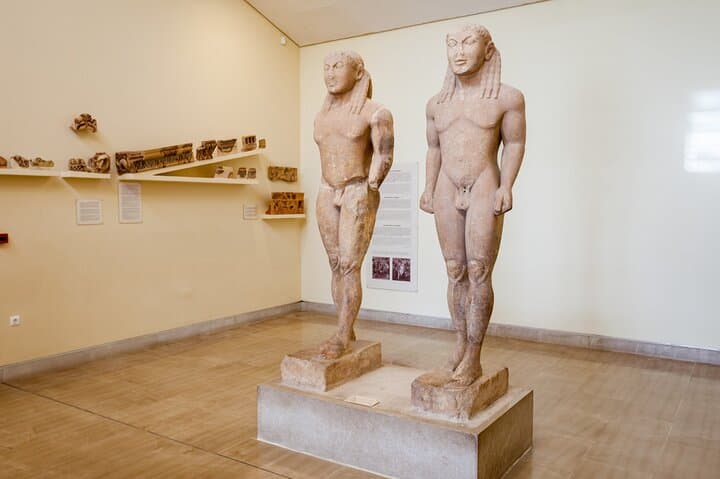
Delphi was once the spiritual center of ancient Greece: the Oracle of Apollo shaped politics, pilgrimage, and poetry for centuries. Geology here matters — the sanctuary sits on fractured limestone and terraces carved into the mountain, which give the site its stepped theatre and sunlit stadium. Arachova, a short stop, shows the region’s pastoral culture and shepherding history, while Itea and Galaxidi reveal Greece’s maritime thread—neoclassical houses, fishing boats, and a long-standing seafaring tradition.
Practical guidance: expect narrow cobbled paths, stone steps and short uphill walks — elevation around 600–700 m at Delphi — so wear stable shoes and bring a light jacket for wind. The full private itinerary is a long day (about 10–11 hours including transit from Athens, roughly 2.5–3 hours each way), so hydrate and plan for restroom breaks during stops. Tickets for the museum and archaeological site are purchased on arrival unless prebooked. Travel in spring or autumn for cooler temperatures and softer light; summer is busy and bright, winter may close some facilities.
This tour blends history and coastline with measured comfort: an expert driver, bottled water, and onboard Wi‑Fi let you focus on the landscape and the stories that shaped it.
easy.
10–11 hours.
Suitable for most fitness levels; able to handle short uphill walks and uneven terrain.
Expect about 2.5–3 hours each way depending on traffic; the full tour runs roughly 10–11 hours including stops.
Admission is typically not included unless specified; check your booking details or bring cash/card to purchase tickets on arrival.
Walks involve cobbled pathways and terraces with short climbs; basic mobility is sufficient but sturdy shoes are recommended.
Private transfers often accept special requests; indicate dietary requirements or accessibility needs at booking so the operator can arrange appropriate stops and vehicle options.
Delphi was the site of the Oracle of Apollo and the Pythian Games; its temples and theatre reflect centuries of pan-Hellenic worship and cultural competition.
The archaeological area is protected; visitors should stay on marked paths, avoid touching fragile artifacts, and support local businesses to sustain the region’s heritage.
Pericles Century operates guided outdoor trips and adventures with an emphasis on safety, stewardship, and memorable experiences.
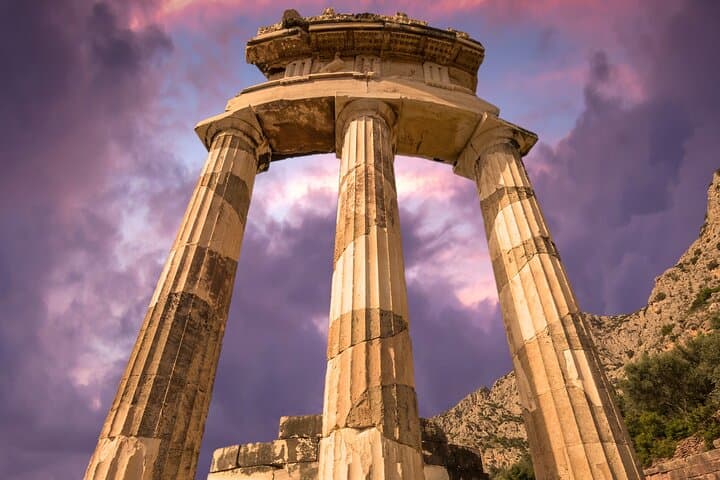


You step out of the air-conditioned sedan and wind hits your face—cold, mountain air that seems to push the ruins into sharper relief. The ruins of Delphi perch on the slopes of Mount Parnassus; the valley below opens like a long breath toward the Gulf of Corinth. Stone underfoot, distant gull calls, and the slow click of cameras mark a day that moves from alpine lanes to quiet tide.
You step out of the air-conditioned sedan and wind hits your face—cold, mountain air that seems to push the ruins into sharper relief. The ruins of Delphi perch on the slopes of Mount Parnassus; the valley below opens like a long breath toward the Gulf of Corinth. Stone underfoot, distant gull calls, and the slow click of cameras mark a day that moves from alpine lanes to quiet tide.
Delphi was once the spiritual center of ancient Greece: the Oracle of Apollo shaped politics, pilgrimage, and poetry for centuries. Geology here matters — the sanctuary sits on fractured limestone and terraces carved into the mountain, which give the site its stepped theatre and sunlit stadium. Arachova, a short stop, shows the region’s pastoral culture and shepherding history, while Itea and Galaxidi reveal Greece’s maritime thread—neoclassical houses, fishing boats, and a long-standing seafaring tradition.
Practical guidance: expect narrow cobbled paths, stone steps and short uphill walks — elevation around 600–700 m at Delphi — so wear stable shoes and bring a light jacket for wind. The full private itinerary is a long day (about 10–11 hours including transit from Athens, roughly 2.5–3 hours each way), so hydrate and plan for restroom breaks during stops. Tickets for the museum and archaeological site are purchased on arrival unless prebooked. Travel in spring or autumn for cooler temperatures and softer light; summer is busy and bright, winter may close some facilities.
This tour blends history and coastline with measured comfort: an expert driver, bottled water, and onboard Wi‑Fi let you focus on the landscape and the stories that shaped it.