THE ADVENTURE COLLECTIVE® · Independent discovery and booking for outdoor travel

A private six-hour driving tour from Edinburgh that pairs Stirling Castle, the Bannockburn battlefield and the Kelpies. Expect short walks, museum time, a possible distillery stop and paced storytelling from a local driver-guide.
A private six-hour driving tour from Edinburgh that pairs Stirling Castle, the Bannockburn battlefield and the Kelpies. Expect short walks, museum time, a possible distillery stop and paced storytelling from a local driver-guide.
You step out of the vehicle onto a low stone lane and the air tastes like peat smoke and river spray; the countryside loosens its pace and the city’s hubbub falls away. Over six hours you move between commanding high ground and engineered water—Stirling Castle perched above the River Forth, the Bannockburn fields where history still seems to breathe, and the colossal Kelpies that loom beside a modern canal.
Verified experiences and guided adventures in the surrounding area.
Operated by Wee Scottish Tours · Stirling, Scotland
You step out of the vehicle onto a low stone lane and the air tastes like peat smoke and river spray; the countryside loosens its pace and the city’s hubbub falls away. Over six hours you move between commanding high ground and engineered water—Stirling Castle perched above the River Forth, the Bannockburn fields where history still seems to breathe, and the colossal Kelpies that loom beside a modern canal.
Stirling’s geography explains its importance: a natural crossing where lowland and highland meet, a gap that invited armies and governors for centuries. Bannockburn (1314) reshaped Scottish sovereignty; Stirling Castle evolved through medieval royal power to a restored museum. The Kelpies, completed in 2013 near Falkirk, reinterpret folklore with steel and scale—modern monuments that speak to Scotland’s industrial and mythic past.
Expect a curated mix of walking and window time: short uphill walks at the castle and monument, flat boardwalks at the Kelpies, and a reflective stop at the Bannockburn Visitor Centre. Local culture appears in stonework, whisky smells at a working distillery stop, and small-town cafés serving tattie scones.
Practical guidance: leave bulky luggage in the vehicle, wear waterproof layers and sturdy shoes for uneven castle stairways, and plan for changeable weather. Peak daylight months give more time for photography; off-season visits mean quieter interiors but cooler conditions. Hydrate between stops and carry a compact power bank—the views ask to be photographed.
This is an easy-paced, high-value day for travelers who want historic context with accessible outdoor moments and the comfort of private transport.
easy.
6 hours.
Suitable for walkers of average fitness; involves short walks and some stairs
Admission is typically not included; the itinerary notes which stops include entry—confirm at booking if you want tickets arranged.
Tours usually begin and end in Edinburgh or at your cruise port/hotel; confirm pickup and drop-off when booking.
Yes—infant seats and stroller access are mentioned, but some attractions have stairs; plan for short carries at the castle.
A working distillery visit can be arranged time-permitting; tasting or full tours may require extra tickets or pre-booking.
Stirling’s location at a major Forth crossing made it a strategic and symbolic seat of power; Bannockburn (1314) is remembered as a turning point in Scottish independence.
Stick to marked paths to protect fragile grassland and archaeological sites; support local conservation by using designated car parks and licensed guides.
Wee Scottish Tours operates guided outdoor trips and adventures with an emphasis on safety, stewardship, and memorable experiences.
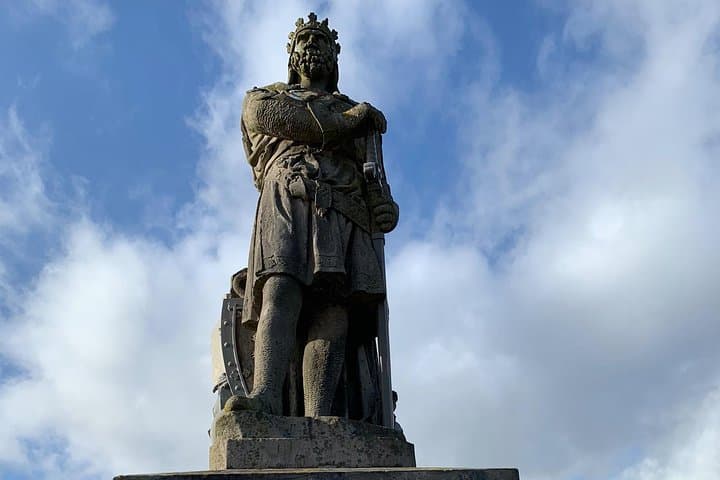
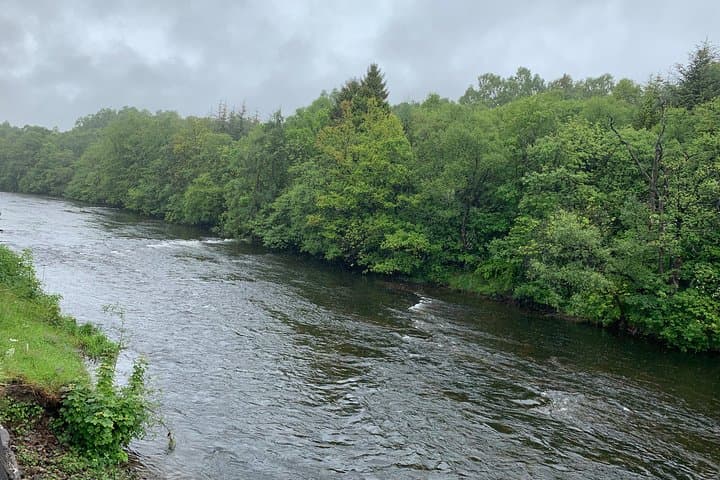
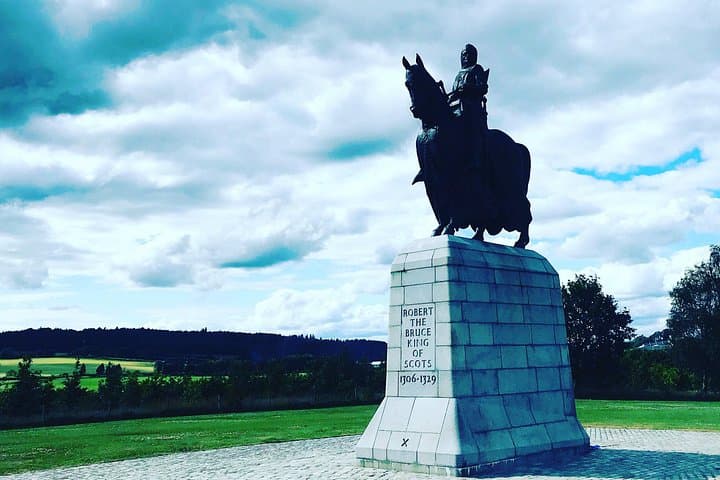
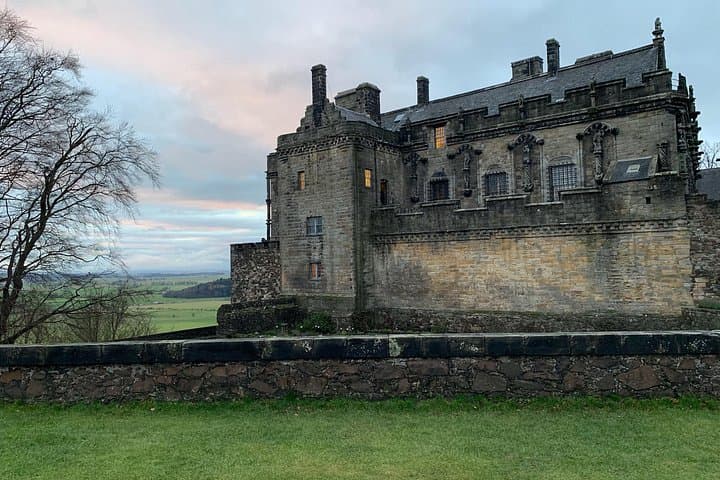
You step out of the vehicle onto a low stone lane and the air tastes like peat smoke and river spray; the countryside loosens its pace and the city’s hubbub falls away. Over six hours you move between commanding high ground and engineered water—Stirling Castle perched above the River Forth, the Bannockburn fields where history still seems to breathe, and the colossal Kelpies that loom beside a modern canal.
You step out of the vehicle onto a low stone lane and the air tastes like peat smoke and river spray; the countryside loosens its pace and the city’s hubbub falls away. Over six hours you move between commanding high ground and engineered water—Stirling Castle perched above the River Forth, the Bannockburn fields where history still seems to breathe, and the colossal Kelpies that loom beside a modern canal.
Stirling’s geography explains its importance: a natural crossing where lowland and highland meet, a gap that invited armies and governors for centuries. Bannockburn (1314) reshaped Scottish sovereignty; Stirling Castle evolved through medieval royal power to a restored museum. The Kelpies, completed in 2013 near Falkirk, reinterpret folklore with steel and scale—modern monuments that speak to Scotland’s industrial and mythic past.
Expect a curated mix of walking and window time: short uphill walks at the castle and monument, flat boardwalks at the Kelpies, and a reflective stop at the Bannockburn Visitor Centre. Local culture appears in stonework, whisky smells at a working distillery stop, and small-town cafés serving tattie scones.
Practical guidance: leave bulky luggage in the vehicle, wear waterproof layers and sturdy shoes for uneven castle stairways, and plan for changeable weather. Peak daylight months give more time for photography; off-season visits mean quieter interiors but cooler conditions. Hydrate between stops and carry a compact power bank—the views ask to be photographed.
This is an easy-paced, high-value day for travelers who want historic context with accessible outdoor moments and the comfort of private transport.