THE ADVENTURE COLLECTIVE® · Independent discovery and booking for outdoor travel

Capture cinematic portraits against the Great Pyramid with a private Egyptologist guide and pro photographer. Learn the best light, where to pose, and practical tips for a respectful, high-quality photo session on the Giza Plateau.
Capture cinematic portraits against the Great Pyramid with a private Egyptologist guide and pro photographer. Learn the best light, where to pose, and practical tips for a respectful, high-quality photo session on the Giza Plateau.
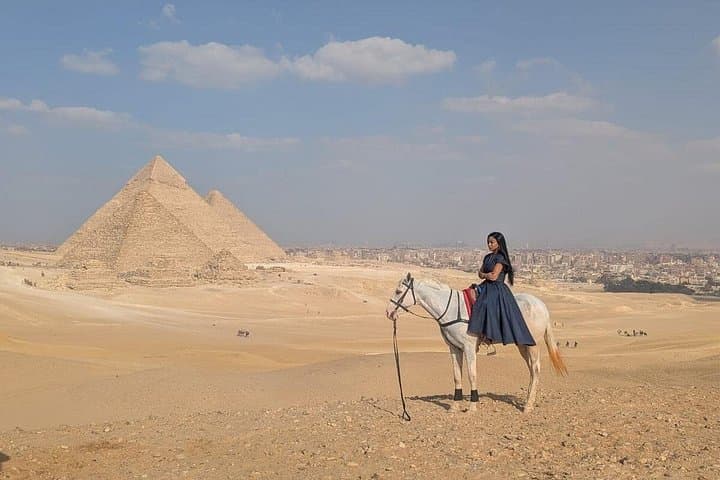
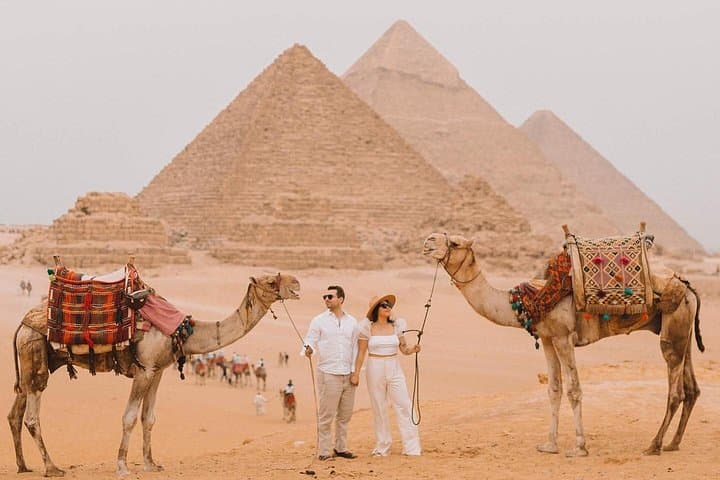
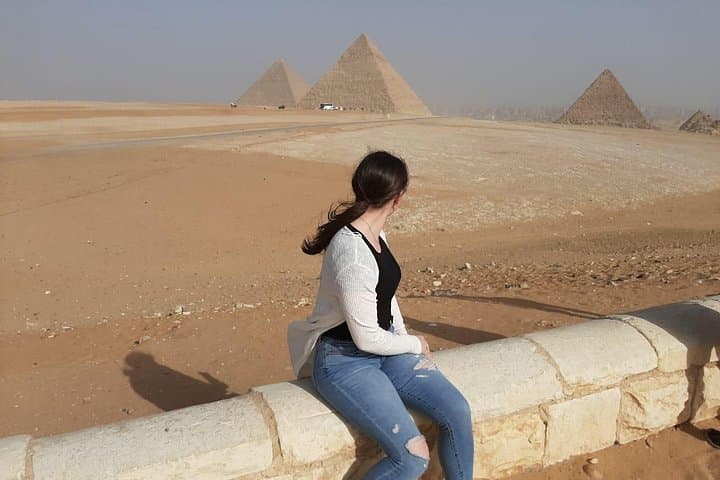
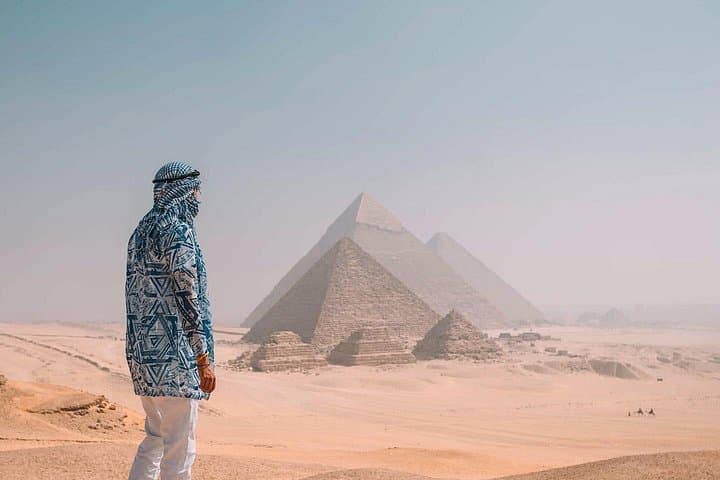
You step from an air-conditioned vehicle onto sun-hardened limestone and the Great Pyramid looms like a practiced stage set — massive, silent, absorbing light. A photographer signals where to stand; a guide points out proportions etched by millennia. Camels shift and snort, the desert wind arranges loose sand into ripples that catch the lens.
Verified experiences and guided adventures in the surrounding area.
Operated by Magic Cairo Tours · Giza, Giza Governorate
You step from an air-conditioned vehicle onto sun-hardened limestone and the Great Pyramid looms like a practiced stage set — massive, silent, absorbing light. A photographer signals where to stand; a guide points out proportions etched by millennia. Camels shift and snort, the desert wind arranges loose sand into ripples that catch the lens.
The Giza Plateau is more than postcard scenery: these stone giants were raised around 4,500 years ago for pharaohs Khufu, Khafre and Menkaure atop a fossil-rich limestone bench. Geology here is visible history — quarried blocks, calcified seabed, and the Sphinx carved from the same rock face. Culture converges at the site: modern Bedouin camel handlers, museum displays like the nearby Solar Boat, and an evolving conservation dialogue about visitor impact and monument preservation.
Practically, this private session blends guided interpretation and staged photography. Expect a 3-hour window that typically includes hotel pickup, a brief orientation with an Egyptologist guide, staged shots at multiple pyramid angles, and optional camel portraits. Morning and late-afternoon light are best for color and fewer crowds; midday is harsh and hot.
Bring spare batteries and large-capacity memory cards, sun protection, and comfortable closed shoes for walking uneven stones. Respect barriers and signage — flash or tripods may be restricted in certain areas. The operator usually provides bottled water and handles logistics, but double-check pickup points and permit coverage in advance. With planning, the session turns a visit into a set of lasting, high-quality images without sacrificing the integrity of one of humanity’s oldest landscapes.
easy.
3 hours.
Minimal walking on uneven stone; participants should be steady on their feet for short moves and poses.
General access to the Giza Plateau is typically included, but interior pyramid entry tickets are separate and often not part of photo packages; confirm with your operator.
Tripods and lighting may be restricted in certain areas; discuss equipment needs with the provider ahead of time to secure permissions.
Camel rides are common and supervised by handlers; follow safety instructions and avoid riding if you have back issues or mobility concerns.
Most luxury sessions include hotel pickup and drop-off from central Cairo or Giza — confirm your pickup point when booking.
The three main pyramids were built during Egypt’s Fourth Dynasty (~2600–2500 BCE) as monumental royal tombs and engineering undertakings.
High visitor numbers stress the plateau’s fragile stone and surrounding environment; stay on designated paths and follow guide instructions to minimize impact.
Magic Cairo Tours operates guided outdoor trips and adventures with an emphasis on safety, stewardship, and memorable experiences.
You step from an air-conditioned vehicle onto sun-hardened limestone and the Great Pyramid looms like a practiced stage set — massive, silent, absorbing light. A photographer signals where to stand; a guide points out proportions etched by millennia. Camels shift and snort, the desert wind arranges loose sand into ripples that catch the lens.
You step from an air-conditioned vehicle onto sun-hardened limestone and the Great Pyramid looms like a practiced stage set — massive, silent, absorbing light. A photographer signals where to stand; a guide points out proportions etched by millennia. Camels shift and snort, the desert wind arranges loose sand into ripples that catch the lens.
The Giza Plateau is more than postcard scenery: these stone giants were raised around 4,500 years ago for pharaohs Khufu, Khafre and Menkaure atop a fossil-rich limestone bench. Geology here is visible history — quarried blocks, calcified seabed, and the Sphinx carved from the same rock face. Culture converges at the site: modern Bedouin camel handlers, museum displays like the nearby Solar Boat, and an evolving conservation dialogue about visitor impact and monument preservation.
Practically, this private session blends guided interpretation and staged photography. Expect a 3-hour window that typically includes hotel pickup, a brief orientation with an Egyptologist guide, staged shots at multiple pyramid angles, and optional camel portraits. Morning and late-afternoon light are best for color and fewer crowds; midday is harsh and hot.
Bring spare batteries and large-capacity memory cards, sun protection, and comfortable closed shoes for walking uneven stones. Respect barriers and signage — flash or tripods may be restricted in certain areas. The operator usually provides bottled water and handles logistics, but double-check pickup points and permit coverage in advance. With planning, the session turns a visit into a set of lasting, high-quality images without sacrificing the integrity of one of humanity’s oldest landscapes.