THE ADVENTURE COLLECTIVE® · Independent discovery and booking for outdoor travel

A compact, private 3-day car tour linking New Delhi, Agra and Jaipur—designed for early sunrises at the Taj, curated palace visits, and comfortable, guide-led exploration of India’s imperial and royal highlights. Practical, paced, and rich in cultural detail.
A compact, private 3-day car tour linking New Delhi, Agra and Jaipur—designed for early sunrises at the Taj, curated palace visits, and comfortable, guide-led exploration of India’s imperial and royal highlights. Practical, paced, and rich in cultural detail.
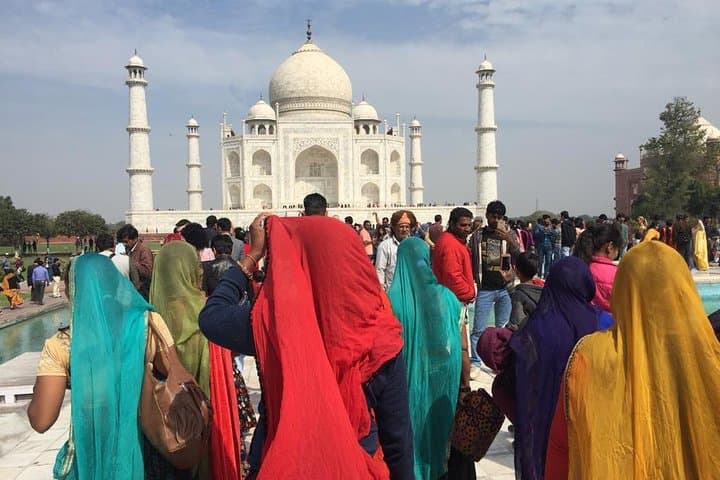
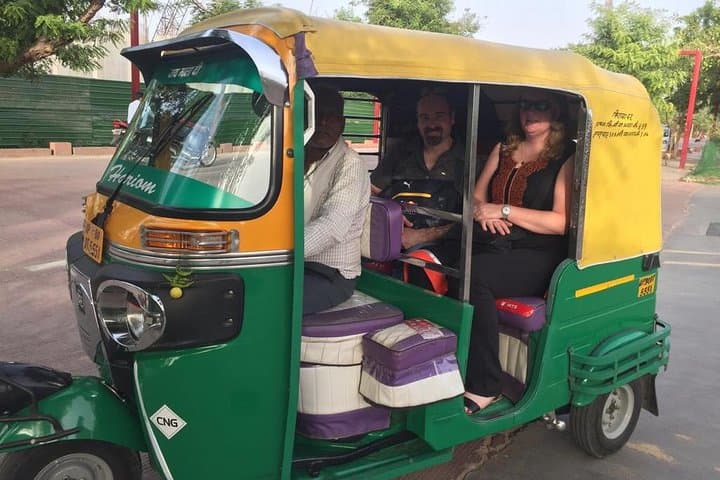
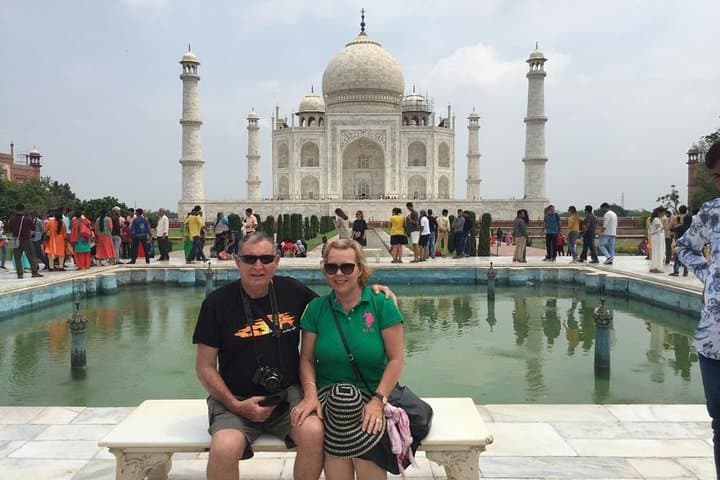
You step into Delhi before dawn, the city a low hum that swells as rickshaws and tuk-tuks thread past colonial boulevards. The itinerary moves deliberately—Qutub Minar’s red sandstone rising like a signal, India Gate standing crisp against the morning sky, then the car unfurls east toward Agra where the Taj Mahal waits in marble hush at sunrise.
Verified experiences and guided adventures in the surrounding area.
Operated by Saniya Tour & Travels · New Delhi, Delhi
You step into Delhi before dawn, the city a low hum that swells as rickshaws and tuk-tuks thread past colonial boulevards. The itinerary moves deliberately—Qutub Minar’s red sandstone rising like a signal, India Gate standing crisp against the morning sky, then the car unfurls east toward Agra where the Taj Mahal waits in marble hush at sunrise.
This route threads three chapters of India's history: imperial Mughal architecture in Agra, colonial and modern civic plans in New Delhi, and Rajput palaces around Jaipur. Geology shows itself in building materials—red sandstone and white marble quarried from regional belts—while Jaipur’s pink-painted facades recall its 19th-century color-coding for hospitality. Local culture surfaces in bazaars where spice stalls and block printers keep crafts alive; a Tonga ride in Agra is a living echo of pre-automobile mobility.
Practicalities make the trip smooth: expect 3 days of mostly vehicle transit with multiple short walking tours, early starts for the Taj sunrise, and layered clothing for variable mornings and hot afternoons. Carry local currency for small purchases, wear comfortable walking shoes for fort steps and courtyard stones, and allow buffer time—traffic between cities can be slow.
For photographers, scout Mehtab Bagh across the Yamuna for sunset compositions; for quieter moments, seek out lesser-visited palace wings. The tour blends heritage viewing with comfort—luxury hotels and private transport—while giving you entry to India’s most iconic monuments with a guide to put names and dates to the stones.
easy.
3 days.
Suitable for travelers in average fitness; involves short walks, stairs and brief standing periods.
Most standard tour prices exclude monument entrance fees; confirm with the operator as some private packages may include select tickets.
The operator indicates wheelchair accessibility for transport, but historic sites like the Taj and Amber Fort have limited step-free access—check site-specific access in advance.
October to March offers the most comfortable temperatures; winter mornings can be cool and foggy, while summers are hot and humid.
Yes—most international visitors need a valid visa or e-visa before arrival; check your country’s requirements and apply in advance.
The Golden Triangle links Mughal-era Agra and Rajput Jaipur with New Delhi’s colonial and modern urban plan, reflecting centuries of shifting power and patronage.
High visitor numbers pressure fragile monuments—respect restricted areas, avoid littering, and follow guide directions to aid preservation efforts.
Saniya Tour & Travels operates guided outdoor trips and adventures with an emphasis on safety, stewardship, and memorable experiences.
You step into Delhi before dawn, the city a low hum that swells as rickshaws and tuk-tuks thread past colonial boulevards. The itinerary moves deliberately—Qutub Minar’s red sandstone rising like a signal, India Gate standing crisp against the morning sky, then the car unfurls east toward Agra where the Taj Mahal waits in marble hush at sunrise.
You step into Delhi before dawn, the city a low hum that swells as rickshaws and tuk-tuks thread past colonial boulevards. The itinerary moves deliberately—Qutub Minar’s red sandstone rising like a signal, India Gate standing crisp against the morning sky, then the car unfurls east toward Agra where the Taj Mahal waits in marble hush at sunrise.
This route threads three chapters of India's history: imperial Mughal architecture in Agra, colonial and modern civic plans in New Delhi, and Rajput palaces around Jaipur. Geology shows itself in building materials—red sandstone and white marble quarried from regional belts—while Jaipur’s pink-painted facades recall its 19th-century color-coding for hospitality. Local culture surfaces in bazaars where spice stalls and block printers keep crafts alive; a Tonga ride in Agra is a living echo of pre-automobile mobility.
Practicalities make the trip smooth: expect 3 days of mostly vehicle transit with multiple short walking tours, early starts for the Taj sunrise, and layered clothing for variable mornings and hot afternoons. Carry local currency for small purchases, wear comfortable walking shoes for fort steps and courtyard stones, and allow buffer time—traffic between cities can be slow.
For photographers, scout Mehtab Bagh across the Yamuna for sunset compositions; for quieter moments, seek out lesser-visited palace wings. The tour blends heritage viewing with comfort—luxury hotels and private transport—while giving you entry to India’s most iconic monuments with a guide to put names and dates to the stones.