THE ADVENTURE COLLECTIVE® · Independent discovery and booking for outdoor travel

Spend five hours on a family-run cacao hacienda outside Guayaquil learning tree-to-bar chocolate making, tasting farm-fresh products, and enjoying a three-course organic lunch. This private luxury excursion combines hands-on processing with optional horse riding and countryside exploration.
Spend five hours on a family-run cacao hacienda outside Guayaquil learning tree-to-bar chocolate making, tasting farm-fresh products, and enjoying a three-course organic lunch. This private luxury excursion combines hands-on processing with optional horse riding and countryside exploration.
A low sun slides over broad cacao leaves as you arrive at a family-run hacienda an hour from Guayaquil — the air thick with the scent of roasted beans and fresh earth. The tour moves at a measured, intimate pace: you step from an air-conditioned vehicle onto flagstones worn by hands that still mill chocolate the old way, then follow rows of shade trees where pods hang like lanterns daring you to learn their secret.
Verified experiences and guided adventures in the surrounding area.
Operated by BM TOURS SA · Guayaquil, Guayas
A low sun slides over broad cacao leaves as you arrive at a family-run hacienda an hour from Guayaquil — the air thick with the scent of roasted beans and fresh earth. The tour moves at a measured, intimate pace: you step from an air-conditioned vehicle onto flagstones worn by hands that still mill chocolate the old way, then follow rows of shade trees where pods hang like lanterns daring you to learn their secret.
Cacao has shaped Ecuador's coastal culture for centuries; the fine-flavor “Arriba” variety grown here traces back to indigenous cultivation and later export economies. Geologically, the sandy, alluvial soils of the coastal lowlands and a humid equatorial climate create ideal conditions for cacao, and the hacienda layers agroforestry with beehives and small-scale livestock to sustain soil and yield.
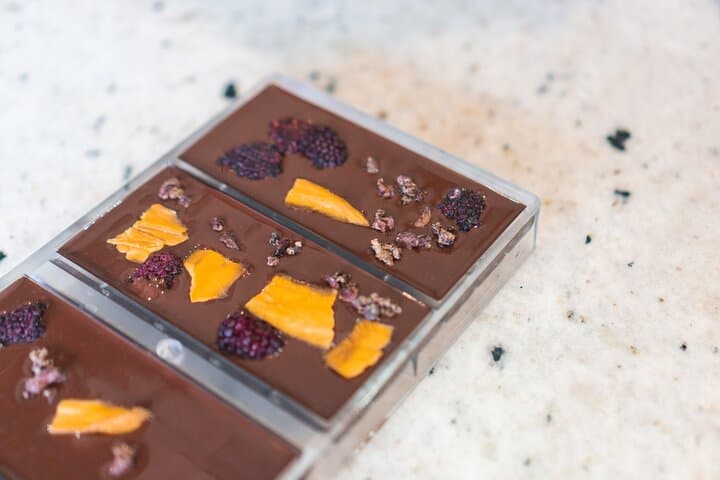
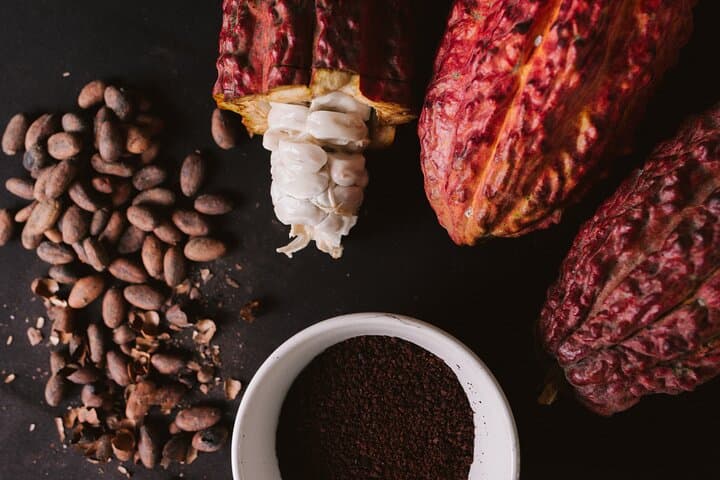
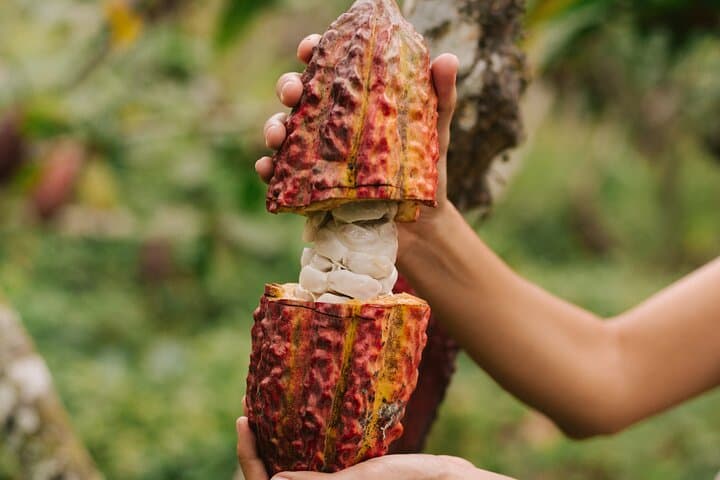
Expect hands-on instruction: harvest pods, roast and hull beans, and grind toward a tree-to-bar bar you helped create. The family also designs furniture and offers honey and dulce de leche tastings, plus optional horse riding or short plantation rides to a riverside stand.
Practicalities are straightforward: the private excursion runs about five hours with round-trip pickup from Guayaquil, a three-course organic lunch, and light activity — but not strenuous hiking. Wear closed-toe shoes, bring sun protection and insect repellent, and plan for humidity: mornings are cooler, afternoons warm. Cameras and curiosity are essential; high-heeled footwear and serious back issues are not. Whether you’re a chocolate enthusiast or a traveler seeking hands-on cultural exchange, this is a tactile, sensory introduction to Ecuador’s cocoa heritage.
easy.
5 hours.
Light fitness — able to stand and walk short distances across uneven ground; no sustained hiking required
Pickup and return to hotels in Guayaquil are included; the drive is typically about an hour depending on traffic and the exact hacienda location.
Yes — the experience is family-friendly, but infants should sit on laps and supervisors should manage children around processing equipment.
No — activities involve light walking, standing, and hands-on demonstrations rather than strenuous hikes; not recommended for those with serious back or heart conditions.
Yes — tours usually include tastings and options to purchase tree-to-bar chocolate and other farm products on-site.
Ecuador’s coastal cacao — often called Arriba — has been cultivated for centuries and played a central role in regional economies and local culinary traditions.
Many small haciendas here practice agroforestry and organic techniques to protect soil and biodiversity; visitors should stick to paths and avoid single-use plastics to reduce impact.
BM TOURS SA operates guided outdoor trips and adventures with an emphasis on safety, stewardship, and memorable experiences.
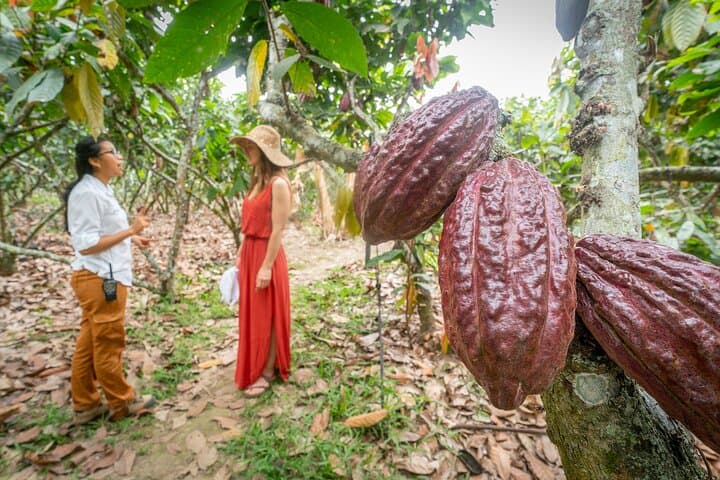
A low sun slides over broad cacao leaves as you arrive at a family-run hacienda an hour from Guayaquil — the air thick with the scent of roasted beans and fresh earth. The tour moves at a measured, intimate pace: you step from an air-conditioned vehicle onto flagstones worn by hands that still mill chocolate the old way, then follow rows of shade trees where pods hang like lanterns daring you to learn their secret.
A low sun slides over broad cacao leaves as you arrive at a family-run hacienda an hour from Guayaquil — the air thick with the scent of roasted beans and fresh earth. The tour moves at a measured, intimate pace: you step from an air-conditioned vehicle onto flagstones worn by hands that still mill chocolate the old way, then follow rows of shade trees where pods hang like lanterns daring you to learn their secret.
Cacao has shaped Ecuador's coastal culture for centuries; the fine-flavor “Arriba” variety grown here traces back to indigenous cultivation and later export economies. Geologically, the sandy, alluvial soils of the coastal lowlands and a humid equatorial climate create ideal conditions for cacao, and the hacienda layers agroforestry with beehives and small-scale livestock to sustain soil and yield.
Expect hands-on instruction: harvest pods, roast and hull beans, and grind toward a tree-to-bar bar you helped create. The family also designs furniture and offers honey and dulce de leche tastings, plus optional horse riding or short plantation rides to a riverside stand.
Practicalities are straightforward: the private excursion runs about five hours with round-trip pickup from Guayaquil, a three-course organic lunch, and light activity — but not strenuous hiking. Wear closed-toe shoes, bring sun protection and insect repellent, and plan for humidity: mornings are cooler, afternoons warm. Cameras and curiosity are essential; high-heeled footwear and serious back issues are not. Whether you’re a chocolate enthusiast or a traveler seeking hands-on cultural exchange, this is a tactile, sensory introduction to Ecuador’s cocoa heritage.