THE ADVENTURE COLLECTIVE® · Independent discovery and booking for outdoor travel

Cross the Nile to explore the Valley of the Queens’ painted tombs and Medinet Habu’s monumental reliefs with a licensed private guide and tickets included. This flexible 4–5 hour tour pairs local expertise with private transportation for a focused cultural day on Luxor’s West Bank.
Cross the Nile to explore the Valley of the Queens’ painted tombs and Medinet Habu’s monumental reliefs with a licensed private guide and tickets included. This flexible 4–5 hour tour pairs local expertise with private transportation for a focused cultural day on Luxor’s West Bank.
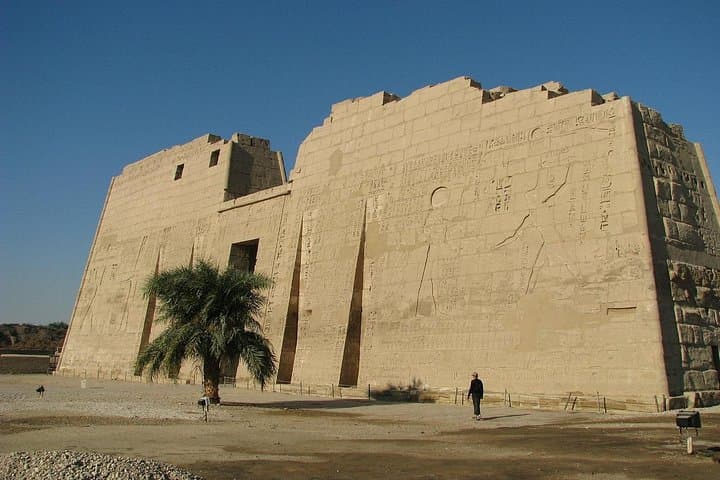
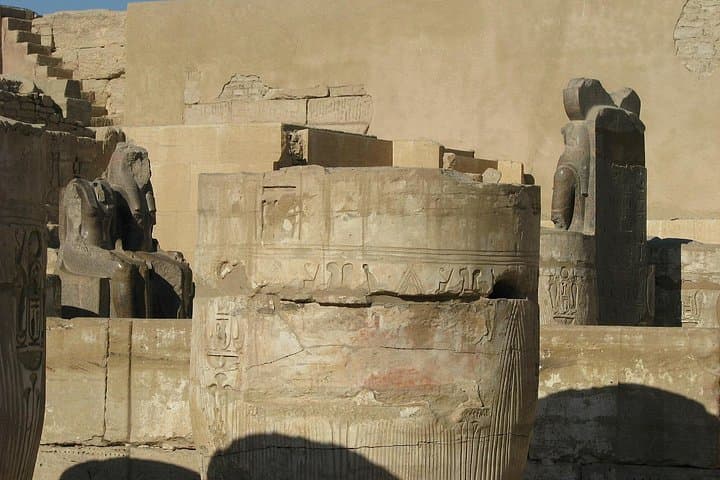
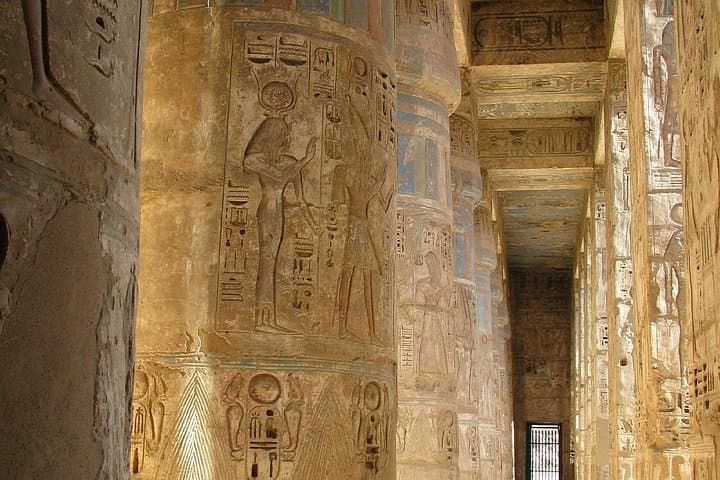
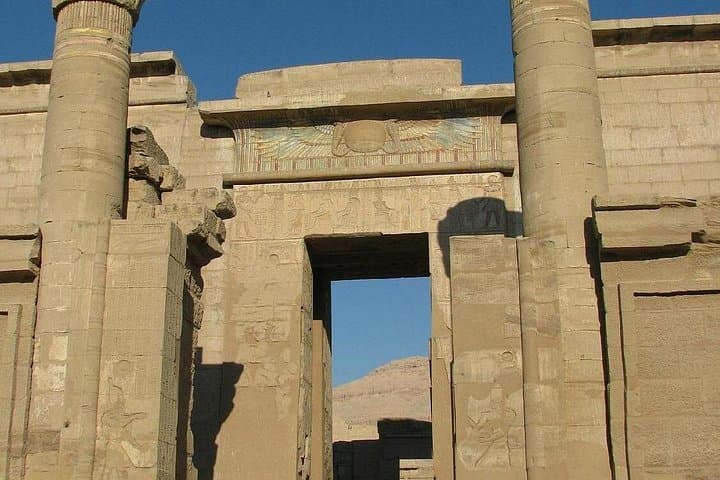
Sunlight slants across the Nile as you cross to Luxor’s West Bank, air-conditioned comfort giving way to wide-open desert light and stone that remembers kings. A private guide leads the group through the compact, less-trafficked alleys of the Valley of the Queens—corridors of tombs where painted scenes still press against the dim. Later, at Medinet Habu, pylons and reliefs cut the skyline, walls telling stories of Ramses III in carved lines and preserved pigments.
Verified experiences and guided adventures in the surrounding area.
Operated by Eyes of Egypt · Luxor, Luxor Governorate
Sunlight slants across the Nile as you cross to Luxor’s West Bank, air-conditioned comfort giving way to wide-open desert light and stone that remembers kings. A private guide leads the group through the compact, less-trafficked alleys of the Valley of the Queens—corridors of tombs where painted scenes still press against the dim. Later, at Medinet Habu, pylons and reliefs cut the skyline, walls telling stories of Ramses III in carved lines and preserved pigments.
This landscape formed on the eastern edge of the Sahara, where the Nile’s floodplain meets limestone ridges cut by ancient quarrying. The Valley of the Queens served New Kingdom royalty; its decorations focus less on conquest and more on rites of passage into the afterlife. Medinet Habu is notable for both scale and clarity of reliefs, offering archaeologically rich examples of pharaonic propaganda and religious practice.
Expect uneven stone floors, short climbs into tomb entrances, and stretches of open sun between sites. The private format means flexible pacing, ticket handling, and a guide who can explain inscription grammar, point out later-period restorations, and frame photos for contrast between carved shadow and desert glare.
Practical notes: bring water, sun protection, and comfortable walking shoes; plan for 4–5 hours between pick-up and drop-off. Photography is allowed in many areas but not inside some tombs—follow your guide and site signage. Morning visits beat the heat and crowds; an English-speaking licensed guide will streamline logistics and deepen the visit, turning carved names and dates into human stories you can see and photograph.
easy.
4–5 hours.
Basic walking fitness; able to handle multiple short climbs, steps, and uneven surfaces for several hours.
Yes—private, air-conditioned pickup and drop-off anywhere in Luxor (hotels or Nile cruises) are included.
All entrance tickets for Medinet Habu and the Valley of the Queens are included; the Nefertari Tomb remains closed for renovation.
Sites have uneven terrain and some steps; the operator lists wheelchair-accessible transport and can accommodate many needs—confirm during booking for specifics.
Pricing is per group rather than per person, making it suitable for couples, families, or small private groups—confirm group size limits with the operator.
These sites date to the New Kingdom era; Valley of the Queens served royal burials while Medinet Habu became Ramses III’s funerary-temple complex and an administrative center.
Visitor pressure and sunlight accelerate pigment fading; follow established paths, avoid touching surfaces, and support guides who promote site preservation.
Eyes of Egypt operates guided outdoor trips and adventures with an emphasis on safety, stewardship, and memorable experiences.
Sunlight slants across the Nile as you cross to Luxor’s West Bank, air-conditioned comfort giving way to wide-open desert light and stone that remembers kings. A private guide leads the group through the compact, less-trafficked alleys of the Valley of the Queens—corridors of tombs where painted scenes still press against the dim. Later, at Medinet Habu, pylons and reliefs cut the skyline, walls telling stories of Ramses III in carved lines and preserved pigments.
Sunlight slants across the Nile as you cross to Luxor’s West Bank, air-conditioned comfort giving way to wide-open desert light and stone that remembers kings. A private guide leads the group through the compact, less-trafficked alleys of the Valley of the Queens—corridors of tombs where painted scenes still press against the dim. Later, at Medinet Habu, pylons and reliefs cut the skyline, walls telling stories of Ramses III in carved lines and preserved pigments.
This landscape formed on the eastern edge of the Sahara, where the Nile’s floodplain meets limestone ridges cut by ancient quarrying. The Valley of the Queens served New Kingdom royalty; its decorations focus less on conquest and more on rites of passage into the afterlife. Medinet Habu is notable for both scale and clarity of reliefs, offering archaeologically rich examples of pharaonic propaganda and religious practice.
Expect uneven stone floors, short climbs into tomb entrances, and stretches of open sun between sites. The private format means flexible pacing, ticket handling, and a guide who can explain inscription grammar, point out later-period restorations, and frame photos for contrast between carved shadow and desert glare.
Practical notes: bring water, sun protection, and comfortable walking shoes; plan for 4–5 hours between pick-up and drop-off. Photography is allowed in many areas but not inside some tombs—follow your guide and site signage. Morning visits beat the heat and crowds; an English-speaking licensed guide will streamline logistics and deepen the visit, turning carved names and dates into human stories you can see and photograph.