THE ADVENTURE COLLECTIVE® · Independent discovery and booking for outdoor travel

Experience Luxor’s temples and the focused Mummification Museum on a private half-day tour. Gain close-up context for ancient funerary practices with hotel pickup, entry fees, and lunch included.
Experience Luxor’s temples and the focused Mummification Museum on a private half-day tour. Gain close-up context for ancient funerary practices with hotel pickup, entry fees, and lunch included.
You step out of the air-conditioned vehicle onto Luxor’s corniche and the Nile breathes warm air across the stone-paved quay. The city unfolds in layers: hotel facades, prayer calls, and the low hum of feluccas cutting the river. Your guide leads the way—first toward the compact Luxor Museum, where carefully lit cases isolate faces and fragments that once belonged to Thebes’ elite.
Verified experiences and guided adventures in the surrounding area.
Operated by Emo Tours Sweden · Luxor, Luxor Governorate
You step out of the air-conditioned vehicle onto Luxor’s corniche and the Nile breathes warm air across the stone-paved quay. The city unfolds in layers: hotel facades, prayer calls, and the low hum of feluccas cutting the river. Your guide leads the way—first toward the compact Luxor Museum, where carefully lit cases isolate faces and fragments that once belonged to Thebes’ elite.
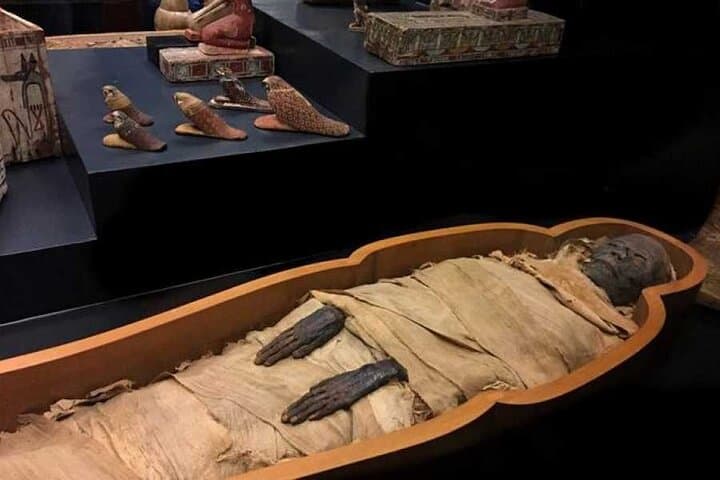
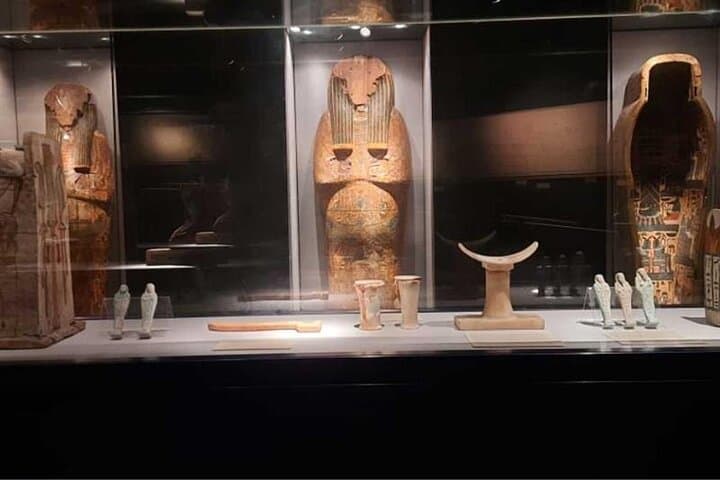
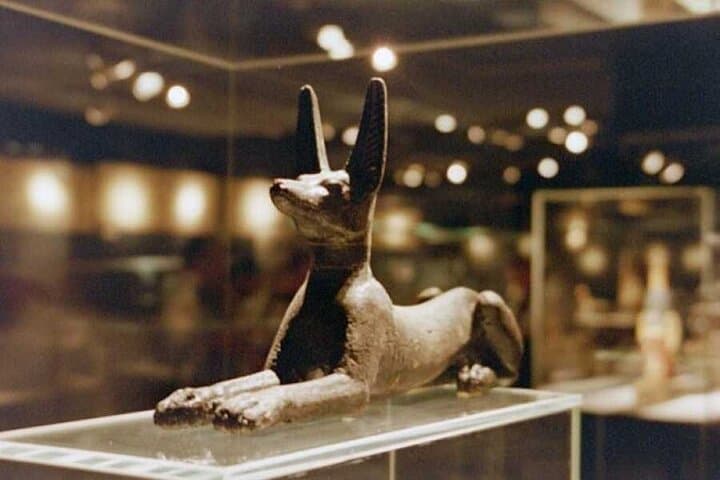
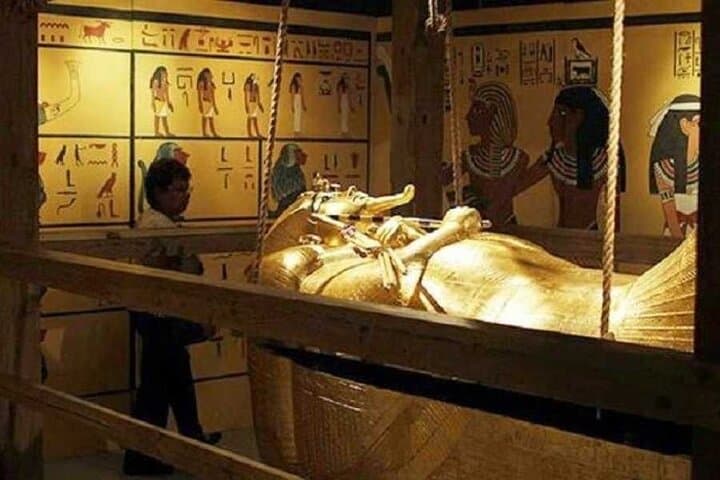
Luxor occupies the heart of ancient Thebes, a city whose temples and tombs grew out of Nile-driven prosperity. The sedimentary limestone and sandstone that built Karnak and Luxor temples came from nearby quarries along the Nile floodplain; centuries of wind and sun have polished their reliefs but not erased the stories carved into them. The Mummification Museum, a modest building on the corniche, focuses attention on the funerary craft—human and animal mummies, embalming tools, and step-by-step reconstructions of ancient rites.
Culturally, this tour stitches modern Egyptian life to pharaonic practice: vendors, mosque sounds and museum signage in Arabic and English. You’ll see evidence of conservation efforts and how local experts interpret fragile collections for visitors.
Practical guidance: bring sun protection and a reusable water bottle (the tour supplies one bottle but extra hydration is wise). Wear closed-toe shoes for mixed surfaces, and modest clothing for temple-adjacent sites. Photography rules vary—ask your guide before flash or tripod use. Expect roughly half a day of gentle walking, museum viewing, and easy transfers; plan for light crowds in the morning and stronger midday heat. This itinerary suits travelers who want concentrated cultural context without the long walks of the West Bank.
easy.
5–6 hours.
Suitable for most travelers; short periods of standing and walking on flat, paved or tiled surfaces.
Yes — the tour description states all entry fees are included in the price.
Yes — private A/C transfers with hotel pickup in Luxor are included; confirm your pickup point when booking.
Infant seats are available, but the operator advises against the tour for travelers with spinal injuries or certain cardiovascular conditions—check medical suitability before booking.
The itinerary focuses on the museums and transfers with a planned lunch; brief strolls on the corniche are usually possible but allot extra time if you want to shop extensively.
Luxor stands on ancient Thebes, once Egypt’s political and religious heart; many museum pieces originate from nearby temples and tombs.
Museums in Luxor focus on stabilizing fragile artifacts and limiting handling; visitors can support conservation by following photography rules and avoiding touch.
Emo Tours Sweden operates guided outdoor trips and adventures with an emphasis on safety, stewardship, and memorable experiences.
You step out of the air-conditioned vehicle onto Luxor’s corniche and the Nile breathes warm air across the stone-paved quay. The city unfolds in layers: hotel facades, prayer calls, and the low hum of feluccas cutting the river. Your guide leads the way—first toward the compact Luxor Museum, where carefully lit cases isolate faces and fragments that once belonged to Thebes’ elite.
You step out of the air-conditioned vehicle onto Luxor’s corniche and the Nile breathes warm air across the stone-paved quay. The city unfolds in layers: hotel facades, prayer calls, and the low hum of feluccas cutting the river. Your guide leads the way—first toward the compact Luxor Museum, where carefully lit cases isolate faces and fragments that once belonged to Thebes’ elite.
Luxor occupies the heart of ancient Thebes, a city whose temples and tombs grew out of Nile-driven prosperity. The sedimentary limestone and sandstone that built Karnak and Luxor temples came from nearby quarries along the Nile floodplain; centuries of wind and sun have polished their reliefs but not erased the stories carved into them. The Mummification Museum, a modest building on the corniche, focuses attention on the funerary craft—human and animal mummies, embalming tools, and step-by-step reconstructions of ancient rites.
Culturally, this tour stitches modern Egyptian life to pharaonic practice: vendors, mosque sounds and museum signage in Arabic and English. You’ll see evidence of conservation efforts and how local experts interpret fragile collections for visitors.
Practical guidance: bring sun protection and a reusable water bottle (the tour supplies one bottle but extra hydration is wise). Wear closed-toe shoes for mixed surfaces, and modest clothing for temple-adjacent sites. Photography rules vary—ask your guide before flash or tripod use. Expect roughly half a day of gentle walking, museum viewing, and easy transfers; plan for light crowds in the morning and stronger midday heat. This itinerary suits travelers who want concentrated cultural context without the long walks of the West Bank.