THE ADVENTURE COLLECTIVE® · Independent discovery and booking for outdoor travel

Skip the street hassle and let a local guide open the doors to Luxor’s alabaster workshops, papyrus studios and perfumeries. This private 3–4 hour tour combines cultural insight with practical shopping tips so your purchases are authentic and stress-free.
Skip the street hassle and let a local guide open the doors to Luxor’s alabaster workshops, papyrus studios and perfumeries. This private 3–4 hour tour combines cultural insight with practical shopping tips so your purchases are authentic and stress-free.
The market air in Luxor tastes of spice and sun — a guide leads you off the main street into alleys where alabaster dust clings to fingers and perfumed oils hang in tiny glass bottles like captured sunlight.
Verified experiences and guided adventures in the surrounding area.
Operated by Egypt Majestic Tours · Luxor, Luxor Governorate
The market air in Luxor tastes of spice and sun — a guide leads you off the main street into alleys where alabaster dust clings to fingers and perfumed oils hang in tiny glass bottles like captured sunlight.
This private shopping tour stitches together stops that trace the city’s craft history: local alabaster carvers working stone the same way they have for generations, papyrus studios preserving the reed-turned-paper technique born along the Nile, and perfumeries blending scents rooted in ancient medicinal and ceremonial uses.
Geology and culture intersect here: the soft alabaster quarried from Upper Egypt takes detail under simple tools, while papyrus — once the paper of pharaohs — grows along the Nile’s edge and is still processed by hand. Qurna Village, one of the itinerary’s stops, offers a closer look at rural artisan life and a quieter contrast to Luxor’s temple crowds.
Practical guidance: expect a 3–4 hour private, air-conditioned outing with hotel pickup on either the East or West Bank. Bring cash for small stalls (some shops accept cards, but not all), wear comfortable walking shoes for uneven market aisles, and plan visits for morning or late afternoon to avoid peak heat. Your guide screens vendors to limit haggling pressure and will explain craftsmanship and price points so purchases are informed.
This experience is part cultural tour, part curated shopping trip — ideal for travelers who want provenance with their souvenirs and a practical, time-efficient way to meet Luxor’s artisans without the street-hustle stress.
easy.
3–4 hours.
Suitable for all fitness levels; involves several short walks and standing during demonstrations.
Bargaining is common in markets; your guide will advise appropriate starting prices and can negotiate on your behalf if you prefer.
Yes, the itinerary includes visits to alabaster, papyrus and perfumery workshops where short demonstrations are typically provided.
Hotel and Nile cruise pickup and drop-off on the East and West Banks are included in the booking.
Some established shops accept cards, but many smaller vendors are cash-only—bring Egyptian pounds to be safe.
Luxor sits on the site of ancient Thebes; many crafts sold today—papyrus, jewelry motifs, and stone carving—have direct roots in Pharaonic and local Nile traditions.
Buy responsibly: choose workshops that use sustainably sourced materials and avoid antiques or items that may be archaeological in origin; your guide can point to ethical vendors.
Egypt Majestic Tours operates guided outdoor trips and adventures with an emphasis on safety, stewardship, and memorable experiences.


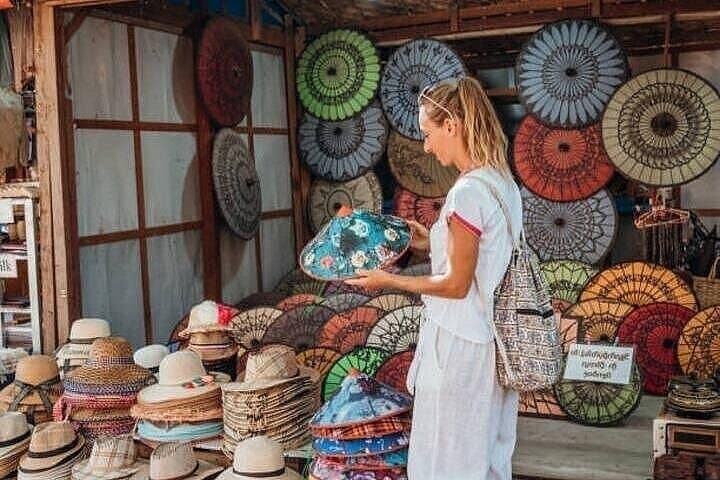
The market air in Luxor tastes of spice and sun — a guide leads you off the main street into alleys where alabaster dust clings to fingers and perfumed oils hang in tiny glass bottles like captured sunlight.
The market air in Luxor tastes of spice and sun — a guide leads you off the main street into alleys where alabaster dust clings to fingers and perfumed oils hang in tiny glass bottles like captured sunlight.
This private shopping tour stitches together stops that trace the city’s craft history: local alabaster carvers working stone the same way they have for generations, papyrus studios preserving the reed-turned-paper technique born along the Nile, and perfumeries blending scents rooted in ancient medicinal and ceremonial uses.
Geology and culture intersect here: the soft alabaster quarried from Upper Egypt takes detail under simple tools, while papyrus — once the paper of pharaohs — grows along the Nile’s edge and is still processed by hand. Qurna Village, one of the itinerary’s stops, offers a closer look at rural artisan life and a quieter contrast to Luxor’s temple crowds.
Practical guidance: expect a 3–4 hour private, air-conditioned outing with hotel pickup on either the East or West Bank. Bring cash for small stalls (some shops accept cards, but not all), wear comfortable walking shoes for uneven market aisles, and plan visits for morning or late afternoon to avoid peak heat. Your guide screens vendors to limit haggling pressure and will explain craftsmanship and price points so purchases are informed.
This experience is part cultural tour, part curated shopping trip — ideal for travelers who want provenance with their souvenirs and a practical, time-efficient way to meet Luxor’s artisans without the street-hustle stress.