THE ADVENTURE COLLECTIVE® · Independent discovery and booking for outdoor travel

Drive south from Luxor to encounter two of Egypt’s most compelling temple sites: the well-preserved Temple of Horus at Edfu and the dual Sanctuaries at Kom Ombo. This private day trip balances easy access with authentic, on-site exploration.
Drive south from Luxor to encounter two of Egypt’s most compelling temple sites: the well-preserved Temple of Horus at Edfu and the dual Sanctuaries at Kom Ombo. This private day trip balances easy access with authentic, on-site exploration.
You step into an air-conditioned vehicle in downtown Luxor and, as the Nile slides past the window, the desert begins to open into palm-fringed floodplains. The drive south is part pilgrimage, part landscape lesson: salt-baked earth gives way to green strips of cultivation and the river, always present, dares you to follow it.
Verified experiences and guided adventures in the surrounding area.
Operated by Get Egypt Vacation · Luxor, Luxor Governorate
You step into an air-conditioned vehicle in downtown Luxor and, as the Nile slides past the window, the desert begins to open into palm-fringed floodplains. The drive south is part pilgrimage, part landscape lesson: salt-baked earth gives way to green strips of cultivation and the river, always present, dares you to follow it.
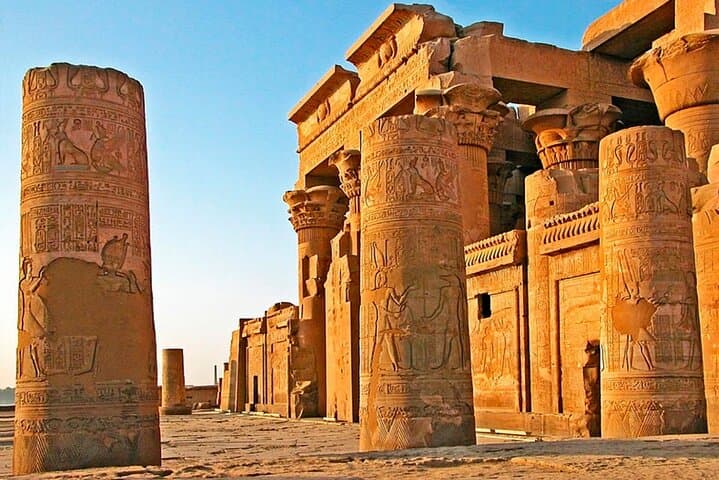
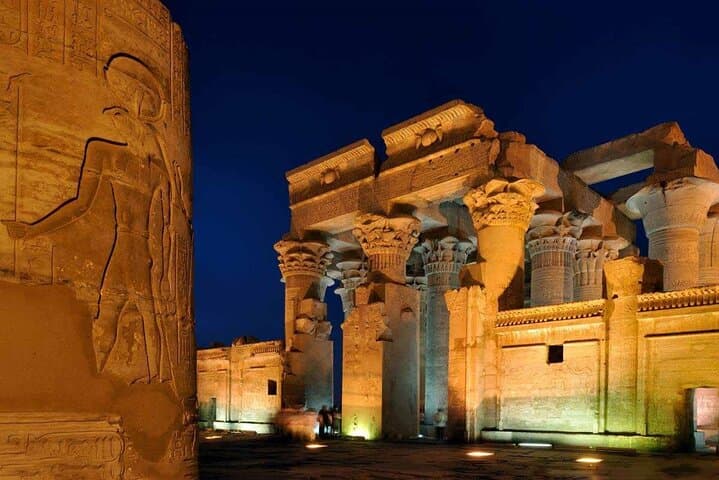
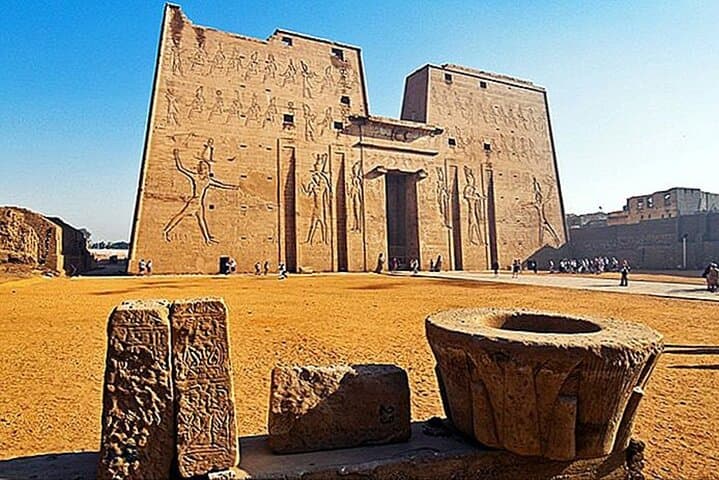
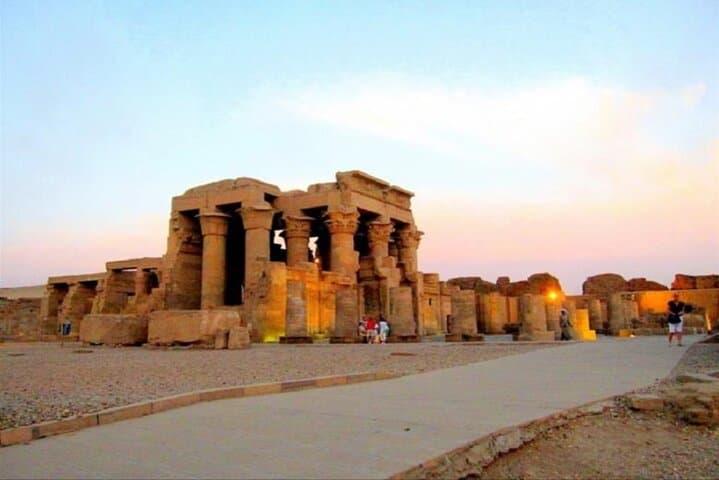
At Edfu the Temple of Horus rises in stark, sun-bleached blocks—one of Egypt’s most intact Ptolemaic sanctuaries. Its reliefs and pylons record rituals and myths with an economy that still feels direct. Further downriver at Kom Ombo the twin temple honors Sobek and Haroeris; its symmetrical chapels and crocodile mummies speak to a local theology shaped by irrigation, Nile cycles, and the agrarian power of the crocodile-god.
Geology here is simple and visible: Nile silt, alluvial terraces, and the limestone bedrock used to build these structures. Culturally, the sites reflect a blending of Pharaonic and Greco-Roman influences—Ptolemaic builders worked in stone with distinctly Egyptian iconography.
Practicalities: this private, roughly six-hour road trip suits travelers of all fitness levels but involves walking on uneven temple stone and exposure to sun. Carry water, a hat, sturdy shoes, and modest clothing for temple etiquette. Aim for morning departures to avoid peak heat and use sunscreen; museum or guide entry fees may be additional. Expect short guided stops of around 90–180 minutes at each temple and allow time for photos, shaded rests, and a slow return or drop-off in Aswan if arranged.
easy.
6 hours.
Suitable for most fitness levels; involves walking on uneven, sandy and stone surfaces for up to 2–3 hours total.
The full trip is about six hours of travel and visits combined; each temple stop typically lasts 90–180 minutes with driving between sites.
This tour description notes admission is included for the listed temples; verify with your booking for any museum or optional fees.
Yes—activity level is easy; infants must sit on laps during transport and parents should prepare for sun exposure and limited shade.
Yes—drop-off in Aswan is available as described; confirm pickup and drop-off points when booking.
Both temples date largely to the Ptolemaic period, combining Greek-era construction techniques with ancient Egyptian religious iconography; Kom Ombo’s dual layout reflects a unique local cult practice.
High visitor numbers and desert erosion stress ancient stone—follow designated paths, avoid touching reliefs, and support local conservation fees when offered.
Get Egypt Vacation operates guided outdoor trips and adventures with an emphasis on safety, stewardship, and memorable experiences.
You step into an air-conditioned vehicle in downtown Luxor and, as the Nile slides past the window, the desert begins to open into palm-fringed floodplains. The drive south is part pilgrimage, part landscape lesson: salt-baked earth gives way to green strips of cultivation and the river, always present, dares you to follow it.
You step into an air-conditioned vehicle in downtown Luxor and, as the Nile slides past the window, the desert begins to open into palm-fringed floodplains. The drive south is part pilgrimage, part landscape lesson: salt-baked earth gives way to green strips of cultivation and the river, always present, dares you to follow it.
At Edfu the Temple of Horus rises in stark, sun-bleached blocks—one of Egypt’s most intact Ptolemaic sanctuaries. Its reliefs and pylons record rituals and myths with an economy that still feels direct. Further downriver at Kom Ombo the twin temple honors Sobek and Haroeris; its symmetrical chapels and crocodile mummies speak to a local theology shaped by irrigation, Nile cycles, and the agrarian power of the crocodile-god.
Geology here is simple and visible: Nile silt, alluvial terraces, and the limestone bedrock used to build these structures. Culturally, the sites reflect a blending of Pharaonic and Greco-Roman influences—Ptolemaic builders worked in stone with distinctly Egyptian iconography.
Practicalities: this private, roughly six-hour road trip suits travelers of all fitness levels but involves walking on uneven temple stone and exposure to sun. Carry water, a hat, sturdy shoes, and modest clothing for temple etiquette. Aim for morning departures to avoid peak heat and use sunscreen; museum or guide entry fees may be additional. Expect short guided stops of around 90–180 minutes at each temple and allow time for photos, shaded rests, and a slow return or drop-off in Aswan if arranged.