THE ADVENTURE COLLECTIVE® · Independent discovery and booking for outdoor travel

See Luxor's highlights in a single, action-packed day: fly from Cairo, walk the Valley of the Kings, explore Hatshepsut and Karnak, then unwind on a felucca. This private itinerary packs history and a Nile sail into one long but efficient excursion.
See Luxor's highlights in a single, action-packed day: fly from Cairo, walk the Valley of the Kings, explore Hatshepsut and Karnak, then unwind on a felucca. This private itinerary packs history and a Nile sail into one long but efficient excursion.
You step out before dawn into Cairo's dim streets, the car humming toward the airport as the city sleeps. An hour later Luxor's low sun hits sandstone cliffs and temple pylons; the desert air feels like a clean page. The itinerary moves with cinematic clarity—Valley of the Kings, Hatshepsut’s terraced temple, the Colossi of Memnon, Karnak’s hypostyle hall—then eases onto the Nile for a one-hour felucca, where the river nudges the boat past sugarcane fields and village docks.
Verified experiences and guided adventures in the surrounding area.
Operated by Egypt Package Tours · Luxor, Luxor Governorate
You step out before dawn into Cairo's dim streets, the car humming toward the airport as the city sleeps. An hour later Luxor's low sun hits sandstone cliffs and temple pylons; the desert air feels like a clean page. The itinerary moves with cinematic clarity—Valley of the Kings, Hatshepsut’s terraced temple, the Colossi of Memnon, Karnak’s hypostyle hall—then eases onto the Nile for a one-hour felucca, where the river nudges the boat past sugarcane fields and village docks.
Luxor sits atop a layered history: millennia of Pharaonic funerary practice cut into limestone on the west bank, while the east bank’s temples were designed to project divine power into the city. Geologically the area is a sweep of Nile alluvium against older desert limestone cliffs; the contrast makes the monumental reliefs read like ink on stone. Local life—brickmakers, felucca sailors, date vendors—threads through the sites, reminding visitors these are living places as much as museum artifacts.
Practical note: expect a very long day (roughly 12–13 hours door-to-door). Flights are included but admission fees to sites are paid on the spot; King Tut’s tomb requires a separate ticket when open. Wear sturdy shoes for uneven tomb ramps and packed-sand paths, bring sun protection and cash for tips and small purchases. Timing matters—arrive early at each monument to avoid heat and crowds, and save energy for the gentle, restorative glide of the Nile on the felucca at day’s end.
moderate.
12–14 hours.
Suitable for travelers in average fitness—long day with walking on uneven ground but no technical climbs
No—entrance fees and optional tickets (such as Tutankhamun's tomb when open) are paid at the sites, usually by card or cash as noted.
The included felucca sail is approximately one hour along the Nile near Luxor and is a gentle, scenic experience rather than a long cruise.
The tour notes wheelchair-accessible transport, but many archaeological sites have uneven surfaces and stairs; accessibility at each monument varies.
Yes—full names and passport information are required to book domestic flight tickets; check visa and passport validity before travel.
Luxor was the ancient city of Thebes, the political and religious heart of New Kingdom Egypt; many temples were augmented across centuries by successive pharaohs.
Visitor numbers are managed at key tombs to protect fragile wall paintings, and responsible tours encourage carrying out waste and minimizing plastic use on the Nile.
Egypt Package Tours operates guided outdoor trips and adventures with an emphasis on safety, stewardship, and memorable experiences.
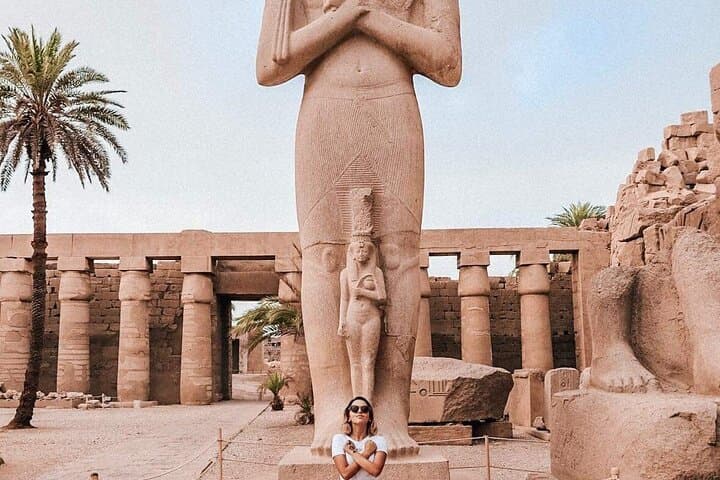
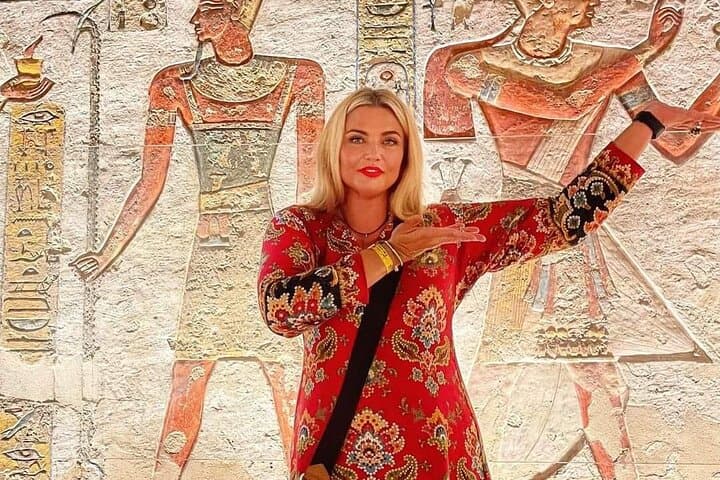
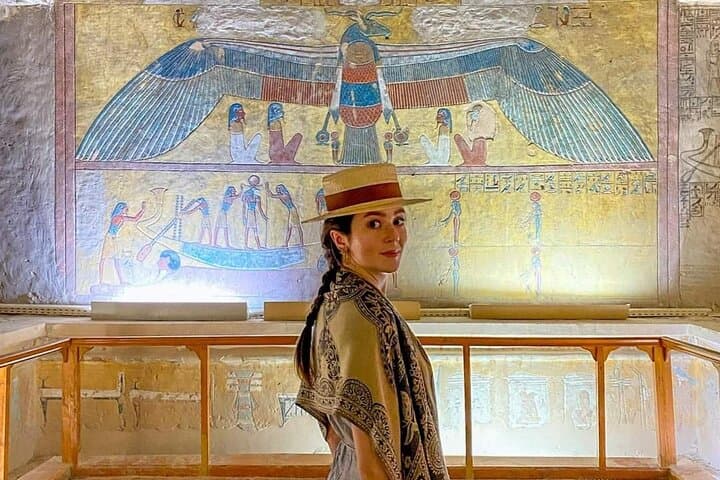
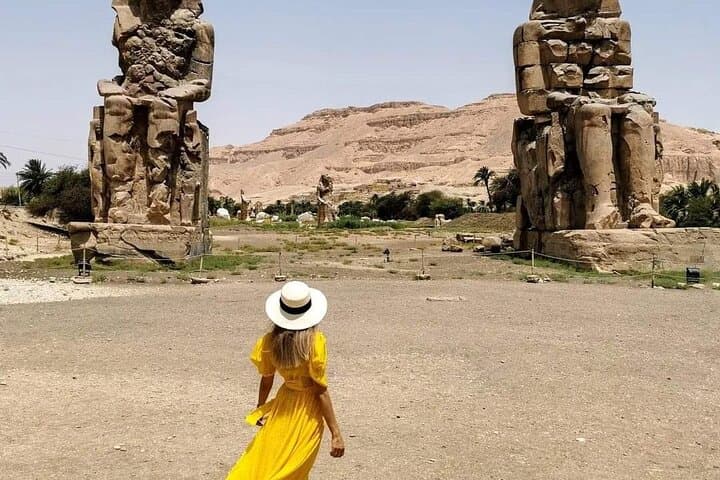
You step out before dawn into Cairo's dim streets, the car humming toward the airport as the city sleeps. An hour later Luxor's low sun hits sandstone cliffs and temple pylons; the desert air feels like a clean page. The itinerary moves with cinematic clarity—Valley of the Kings, Hatshepsut’s terraced temple, the Colossi of Memnon, Karnak’s hypostyle hall—then eases onto the Nile for a one-hour felucca, where the river nudges the boat past sugarcane fields and village docks.
You step out before dawn into Cairo's dim streets, the car humming toward the airport as the city sleeps. An hour later Luxor's low sun hits sandstone cliffs and temple pylons; the desert air feels like a clean page. The itinerary moves with cinematic clarity—Valley of the Kings, Hatshepsut’s terraced temple, the Colossi of Memnon, Karnak’s hypostyle hall—then eases onto the Nile for a one-hour felucca, where the river nudges the boat past sugarcane fields and village docks.
Luxor sits atop a layered history: millennia of Pharaonic funerary practice cut into limestone on the west bank, while the east bank’s temples were designed to project divine power into the city. Geologically the area is a sweep of Nile alluvium against older desert limestone cliffs; the contrast makes the monumental reliefs read like ink on stone. Local life—brickmakers, felucca sailors, date vendors—threads through the sites, reminding visitors these are living places as much as museum artifacts.
Practical note: expect a very long day (roughly 12–13 hours door-to-door). Flights are included but admission fees to sites are paid on the spot; King Tut’s tomb requires a separate ticket when open. Wear sturdy shoes for uneven tomb ramps and packed-sand paths, bring sun protection and cash for tips and small purchases. Timing matters—arrive early at each monument to avoid heat and crowds, and save energy for the gentle, restorative glide of the Nile on the felucca at day’s end.