THE ADVENTURE COLLECTIVE® · Independent discovery and booking for outdoor travel

Spend four hours with a licensed Egyptologist exploring Karnak’s gigantic pylons and Luxor Temple’s multi-era architecture. This private half‑day tour includes pickup from hotel or cruise, entry to both sites, bottled water and expert interpretation.
Spend four hours with a licensed Egyptologist exploring Karnak’s gigantic pylons and Luxor Temple’s multi-era architecture. This private half‑day tour includes pickup from hotel or cruise, entry to both sites, bottled water and expert interpretation.
You step out of an air‑conditioned vehicle into light that slides across columns taller than most buildings; the avenue ahead hums with the slow echo of footsteps and distant muezzin calls. The Karnak Temple complex unfolds like an ancient city of stone — hypostyle halls, the Sacred Lake’s quiet surface, and a scarab statue that dares you to make a wish.
Verified experiences and guided adventures in the surrounding area.
Operated by elite trip · Luxor, Luxor Governorate
You step out of an air‑conditioned vehicle into light that slides across columns taller than most buildings; the avenue ahead hums with the slow echo of footsteps and distant muezzin calls. The Karnak Temple complex unfolds like an ancient city of stone — hypostyle halls, the Sacred Lake’s quiet surface, and a scarab statue that dares you to make a wish.
Karnak and Luxor are the beating heart of Thebes, the New Kingdom capital. Karnak grew over 1,500 years as pharaohs added pylons and obelisks for the god Amun; Luxor Temple, begun under Amenhotep III and finished by Ramesses II, later wore Coptic and Islamic layers. Geologically, the Nile valley’s alluvial plain supplies the mudbrick and sandstone that preserve reliefs; culturally, these sites sit on routes that linked ancient ritual to modern pilgrimage and tourism.
On a private half‑day with an Egyptologist, expect targeted storytelling rather than a cursory walkthrough: sacred spaces explained, reliefs read in context, and practical navigation of crowds and sun. The tour includes hotel or cruise pickup, bottled water, entry to both temples, and return transfer. Walks are mostly flat but include uneven stone and sandy patches — comfortable shoes matter.
Timing matters: early morning light softens carvings; late afternoon casts long shadows for photos. Respect the monuments — no rubbing reliefs or climbing — and carry sunscreen, a hat, and a refillable bottle. For travelers who want layered history in a compact window, a private guide turns monuments into conversations rather than postcards.
easy.
4 hours.
Suitable for most fitness levels; requires standing and walking on uneven ground for up to two hours per site.
Yes — the tour price includes admission to both Karnak Temple Complex and Luxor Temple as stated in the inclusions.
Yes — the private tour includes pickup and return from your hotel or Nile cruise embarkation point; you'll provide pickup details at booking.
The tour is marked suitable for all physical fitness levels; infants must sit on an adult’s lap during transport per provider policy.
Tipping is not mandatory but is customary; consider a small tip for good service—roughly 10–15% or a local equivalent if pleased with the experience.
These temples anchored Thebes (modern Luxor) as the New Kingdom religious capital; pharaohs from the 18th to 20th Dynasties enlarged and repurposed the complexes.
Ongoing conservation limits touching and access to fragile reliefs; follow guide instructions, stay on marked paths, and avoid bringing food into sensitive areas.
elite trip operates guided outdoor trips and adventures with an emphasis on safety, stewardship, and memorable experiences.
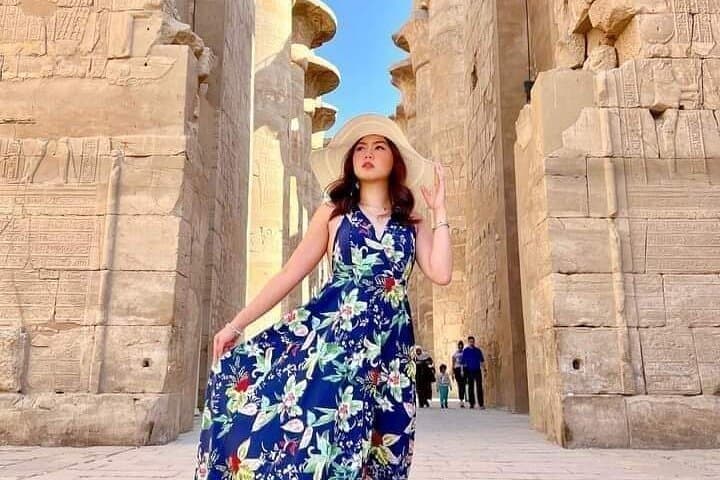
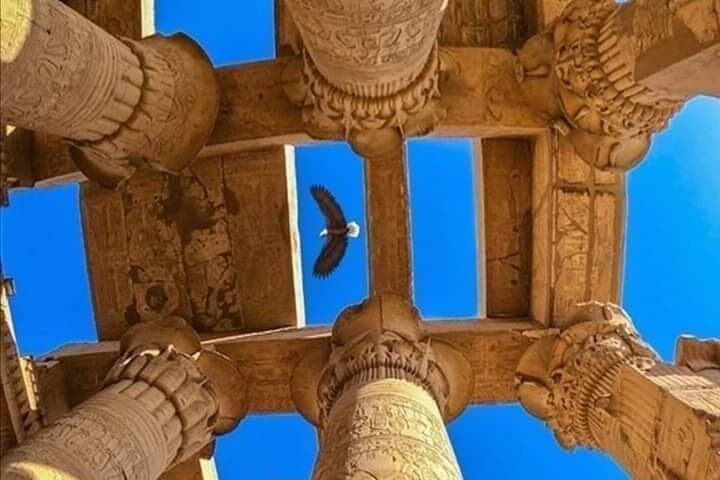
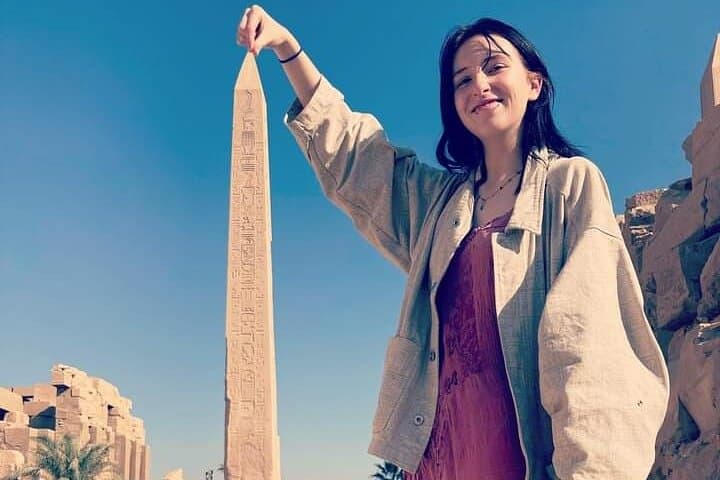
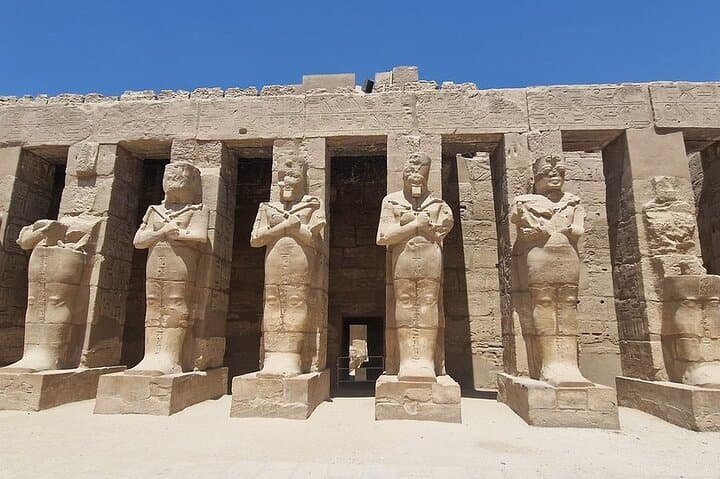
You step out of an air‑conditioned vehicle into light that slides across columns taller than most buildings; the avenue ahead hums with the slow echo of footsteps and distant muezzin calls. The Karnak Temple complex unfolds like an ancient city of stone — hypostyle halls, the Sacred Lake’s quiet surface, and a scarab statue that dares you to make a wish.
You step out of an air‑conditioned vehicle into light that slides across columns taller than most buildings; the avenue ahead hums with the slow echo of footsteps and distant muezzin calls. The Karnak Temple complex unfolds like an ancient city of stone — hypostyle halls, the Sacred Lake’s quiet surface, and a scarab statue that dares you to make a wish.
Karnak and Luxor are the beating heart of Thebes, the New Kingdom capital. Karnak grew over 1,500 years as pharaohs added pylons and obelisks for the god Amun; Luxor Temple, begun under Amenhotep III and finished by Ramesses II, later wore Coptic and Islamic layers. Geologically, the Nile valley’s alluvial plain supplies the mudbrick and sandstone that preserve reliefs; culturally, these sites sit on routes that linked ancient ritual to modern pilgrimage and tourism.
On a private half‑day with an Egyptologist, expect targeted storytelling rather than a cursory walkthrough: sacred spaces explained, reliefs read in context, and practical navigation of crowds and sun. The tour includes hotel or cruise pickup, bottled water, entry to both temples, and return transfer. Walks are mostly flat but include uneven stone and sandy patches — comfortable shoes matter.
Timing matters: early morning light softens carvings; late afternoon casts long shadows for photos. Respect the monuments — no rubbing reliefs or climbing — and carry sunscreen, a hat, and a refillable bottle. For travelers who want layered history in a compact window, a private guide turns monuments into conversations rather than postcards.