THE ADVENTURE COLLECTIVE® · Independent discovery and booking for outdoor travel

A private, round-trip day tour from Washington, D.C. to Luray Caverns that combines guided underground passageways with museum stops and Shenandoah Valley scenery. Expect cool cave temps, paved walkways, and a structured itinerary ideal for families.
A private, round-trip day tour from Washington, D.C. to Luray Caverns that combines guided underground passageways with museum stops and Shenandoah Valley scenery. Expect cool cave temps, paved walkways, and a structured itinerary ideal for families.
You step out of a polished private vehicle into an autumn-bright Shenandoah valley and feel the air drop as you descend toward the cave mouth — the cool breath of rock promising something older than roads or towns.
Verified experiences and guided adventures in the surrounding area.
Operated by USA Guided Tours · Luray, Virginia
You step out of a polished private vehicle into an autumn-bright Shenandoah valley and feel the air drop as you descend toward the cave mouth — the cool breath of rock promising something older than roads or towns.
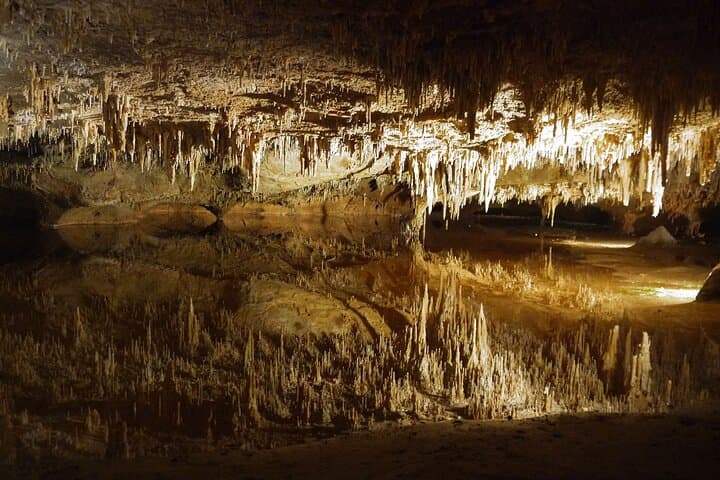
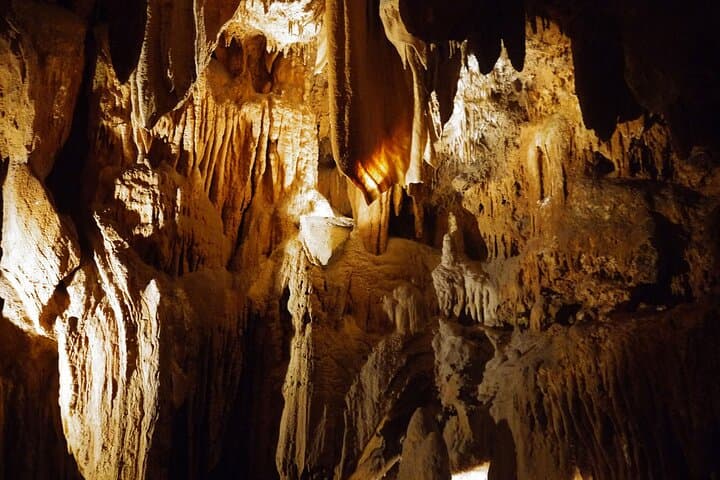
Luray Caverns was opened to the public in 1878 and remains one of the East Coast’s best-known solution cave systems. Formed in Mississippian limestone, its rooms host flowstone draperies, columns and the famed Stalacpipe Organ where mineral formations produce tones when struck. The surface landscape is equally plainspoken: rolling farm fields, chestnut oaks, and roadside museums that recall the region’s rural industrial past.
Culturally the caverns sit in a corridor between Shenandoah National Park and small-town Virginia life — you’ll pass antique car exhibits, a local valley museum, and family-friendly geology demos that translate subterranean time into hands-on displays.
Practicalities: the round-trip private transfer from Washington, D.C. takes roughly 1.5–2 hours each way (about 100 miles). Plan 2–3 hours on site to see the caverns, museum stops and a short trail; the cave interior holds a steady 54°F (12°C) and has concrete walkways and steps. Tickets include entrance fees (adult/child pricing noted by the operator) and guided commentary; strollers and service animals are accommodated but expect stairs in places. Footwear with traction and a light layer are the best prep — bring a camera, but don’t touch formations. For planners, aim for weekdays or early arrivals to avoid crowds and reserve your private pick-up in advance.
easy.
8 hours.
Low; suitable for travelers comfortable with walking on paved paths and climbing stairs but not long hikes.
Plan for about 2–3 hours on site to walk the show cave, visit the adjacent museums and explore short trails; the private transfer makes the whole trip about 8 hours.
Yes — the operator notes stroller accessibility for infants, but expect stairs and some uneven sections; infants may be required to sit on laps in transit.
Yes — this is a private round-trip tour with pick-up from a DC address in a climate-controlled vehicle, included in the booking.
Only service animals are permitted inside the attraction; pets should remain in your vehicle or at authorized pet-care facilities.
Discovered and developed for visitors in 1878, Luray Caverns became a commercial attraction in the late 19th century and helped popularize natural cave tourism in the eastern U.S.
The caverns are sensitive to human impact; stay on walkways, avoid touching formations, and follow site rules to protect mineral features and any resident cave fauna.
USA Guided Tours operates guided outdoor trips and adventures with an emphasis on safety, stewardship, and memorable experiences.
You step out of a polished private vehicle into an autumn-bright Shenandoah valley and feel the air drop as you descend toward the cave mouth — the cool breath of rock promising something older than roads or towns.
You step out of a polished private vehicle into an autumn-bright Shenandoah valley and feel the air drop as you descend toward the cave mouth — the cool breath of rock promising something older than roads or towns.
Luray Caverns was opened to the public in 1878 and remains one of the East Coast’s best-known solution cave systems. Formed in Mississippian limestone, its rooms host flowstone draperies, columns and the famed Stalacpipe Organ where mineral formations produce tones when struck. The surface landscape is equally plainspoken: rolling farm fields, chestnut oaks, and roadside museums that recall the region’s rural industrial past.
Culturally the caverns sit in a corridor between Shenandoah National Park and small-town Virginia life — you’ll pass antique car exhibits, a local valley museum, and family-friendly geology demos that translate subterranean time into hands-on displays.
Practicalities: the round-trip private transfer from Washington, D.C. takes roughly 1.5–2 hours each way (about 100 miles). Plan 2–3 hours on site to see the caverns, museum stops and a short trail; the cave interior holds a steady 54°F (12°C) and has concrete walkways and steps. Tickets include entrance fees (adult/child pricing noted by the operator) and guided commentary; strollers and service animals are accommodated but expect stairs in places. Footwear with traction and a light layer are the best prep — bring a camera, but don’t touch formations. For planners, aim for weekdays or early arrivals to avoid crowds and reserve your private pick-up in advance.