THE ADVENTURE COLLECTIVE® · Independent discovery and booking for outdoor travel

Spend a relaxed day exploring Luberon’s iconic villages—Lourmarin, Roussillon, Gordes and Fontaine-de-Vaucluse—on a private 8‑hour tour from Aix-en-Provence. Expect cobbled lanes, ochre cliffs, a karst spring and optional wine tasting, with flexibility to tailor stops to your interests.
Spend a relaxed day exploring Luberon’s iconic villages—Lourmarin, Roussillon, Gordes and Fontaine-de-Vaucluse—on a private 8‑hour tour from Aix-en-Provence. Expect cobbled lanes, ochre cliffs, a karst spring and optional wine tasting, with flexibility to tailor stops to your interests.
You step from an air-conditioned van into a sun-warmed Provençal square, the scent of baked bread and lavender drifting down narrow lanes. Stone houses hold the heat; church bells mark the hour. Over eight hours you move like a local caravan—stopping to photograph honey-colored façades, follow crumbly ochre paths and listen as the driver-guide threads literary anecdotes about Peter Mayle and Albert Camus through regional history.
Verified experiences and guided adventures in the surrounding area.
Operated by Bonjour Provence · Aix-en-Provence, Provence-Alpes-Côte d'Azur
You step from an air-conditioned van into a sun-warmed Provençal square, the scent of baked bread and lavender drifting down narrow lanes. Stone houses hold the heat; church bells mark the hour. Over eight hours you move like a local caravan—stopping to photograph honey-colored façades, follow crumbly ochre paths and listen as the driver-guide threads literary anecdotes about Peter Mayle and Albert Camus through regional history.
Geology here reads like a travel map: limestone plateaus carved by wind and rain, the ochre cliffs of Roussillon that once fueled local pigments, and the karst spring at Fontaine-de-Vaucluse that sends crystal water gushing and daring you to imagine the subterranean caves below. Culture is tactile—cobblestones, outdoor markets (Isle-sur-la-Sorgue on Sundays), and the Cistercian calm of Sénanque Abbey with its lavender-framed cloister.
The tour is low-impact but varied: village strolls, short photo stops, and an optional 30–60 minute ochre trail hike with modest elevation (typically under 200 m gain). Expect cobbles, narrow alleys, and a few short uphill stretches; pace is relaxed and customizable.
Practical pointers: start early in summer to avoid midday heat, bring sturdy shoes for uneven streets, a refillable water bottle, sunscreen and a light layer for breezy hilltops. If you opt for wine tasting, carry a credit card and some cash for small domaines. Sundays are busiest—markets bring extra charm but also crowds.
The itinerary feels curated yet flexible: four to five villages, time for photos and a possible tasting, all woven into a day that balances scenery, history and simple Provençal pleasures.
moderate.
8 hours.
Suitable for travelers with moderate fitness—able to walk on uneven surfaces and handle short uphill sections.
Pickups are typically from Aix‑en‑Provence or Marseille; return to your pickup point after the full‑day loop.
Yes—the private format allows you to choose 4–5 stops and adjust time spent at each site.
Villages have narrow, uneven streets and steps; children are welcome but strollers can be difficult in some areas.
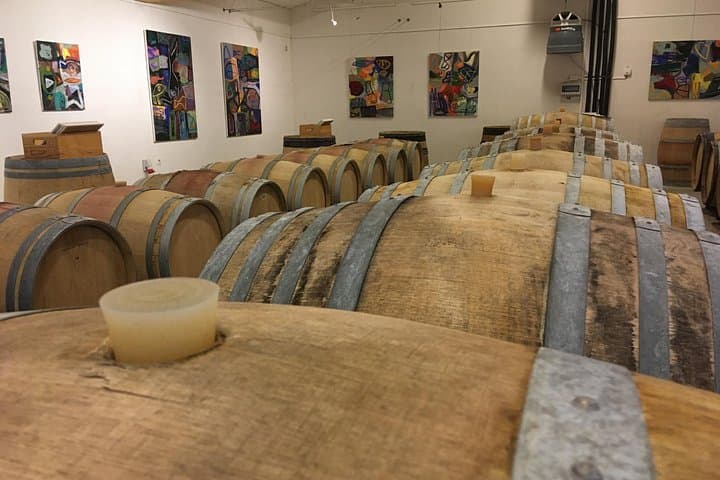
Wine tasting is optional and usually arranged at an extra cost—small domaines may charge a tasting fee or require reservations.
The Luberon’s villages grew on limestone cliffs and trade routes; the area later inspired writers such as Peter Mayle, who popularized Provençal village life, and hosted artists attracted by the light and landscape.
The Luberon is part of a regional natural park that promotes sustainable tourism—stay on marked paths, respect private property and support local producers to reduce environmental impacts.
Bonjour Provence operates guided outdoor trips and adventures with an emphasis on safety, stewardship, and memorable experiences.
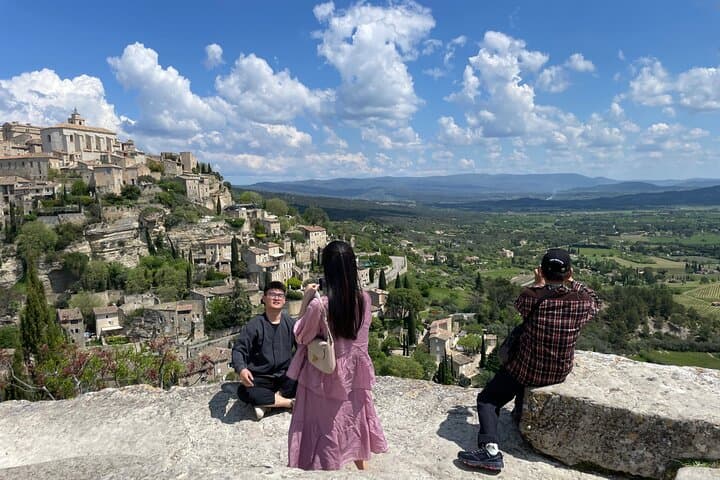
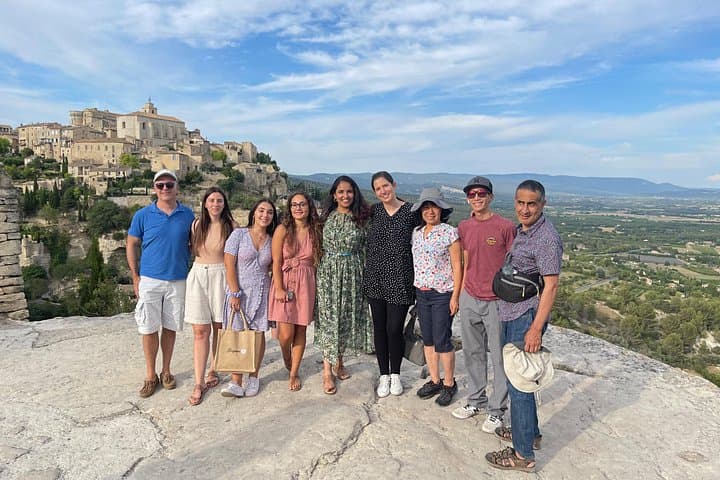
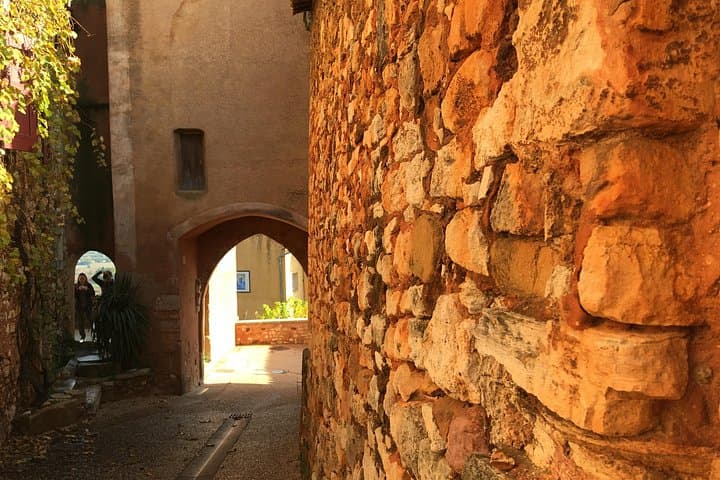
You step from an air-conditioned van into a sun-warmed Provençal square, the scent of baked bread and lavender drifting down narrow lanes. Stone houses hold the heat; church bells mark the hour. Over eight hours you move like a local caravan—stopping to photograph honey-colored façades, follow crumbly ochre paths and listen as the driver-guide threads literary anecdotes about Peter Mayle and Albert Camus through regional history.
You step from an air-conditioned van into a sun-warmed Provençal square, the scent of baked bread and lavender drifting down narrow lanes. Stone houses hold the heat; church bells mark the hour. Over eight hours you move like a local caravan—stopping to photograph honey-colored façades, follow crumbly ochre paths and listen as the driver-guide threads literary anecdotes about Peter Mayle and Albert Camus through regional history.
Geology here reads like a travel map: limestone plateaus carved by wind and rain, the ochre cliffs of Roussillon that once fueled local pigments, and the karst spring at Fontaine-de-Vaucluse that sends crystal water gushing and daring you to imagine the subterranean caves below. Culture is tactile—cobblestones, outdoor markets (Isle-sur-la-Sorgue on Sundays), and the Cistercian calm of Sénanque Abbey with its lavender-framed cloister.
The tour is low-impact but varied: village strolls, short photo stops, and an optional 30–60 minute ochre trail hike with modest elevation (typically under 200 m gain). Expect cobbles, narrow alleys, and a few short uphill stretches; pace is relaxed and customizable.
Practical pointers: start early in summer to avoid midday heat, bring sturdy shoes for uneven streets, a refillable water bottle, sunscreen and a light layer for breezy hilltops. If you opt for wine tasting, carry a credit card and some cash for small domaines. Sundays are busiest—markets bring extra charm but also crowds.
The itinerary feels curated yet flexible: four to five villages, time for photos and a possible tasting, all woven into a day that balances scenery, history and simple Provençal pleasures.