THE ADVENTURE COLLECTIVE® · Independent discovery and booking for outdoor travel

Experience Luang Prabang’s core in a single private day: pre-dawn alms with monks, a bustling morning market, gilded temples and colonial museums. This guided circuit condenses the UNESCO-listed old town’s history, culture and riverside views into an immersive 12-hour itinerary.
Experience Luang Prabang’s core in a single private day: pre-dawn alms with monks, a bustling morning market, gilded temples and colonial museums. This guided circuit condenses the UNESCO-listed old town’s history, culture and riverside views into an immersive 12-hour itinerary.
Dawn arrives over the Mekong like a slow exhale—mist lifting from the river as saffron-robed monks move through narrow streets, palms folded, bowls catching rice and offerings.
Verified experiences and guided adventures in the surrounding area.
Operated by Manifa travel · Luang Prabang, Luang Prabang Province
Dawn arrives over the Mekong like a slow exhale—mist lifting from the river as saffron-robed monks move through narrow streets, palms folded, bowls catching rice and offerings.
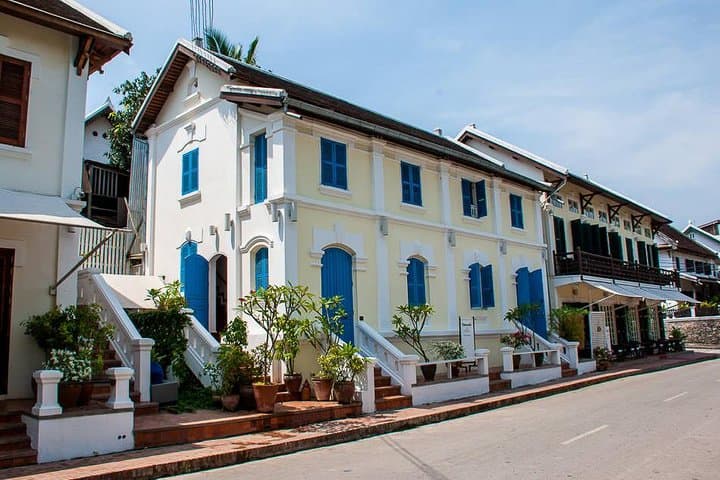
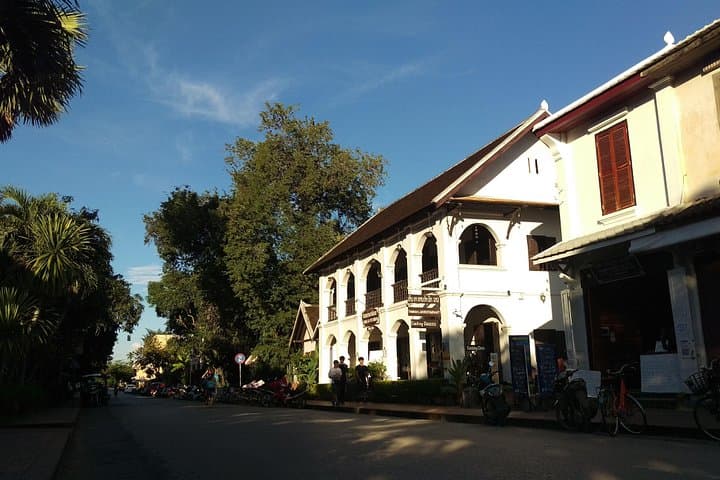
This full-day private tour places you in the middle of Luang Prabang’s living history: a compact UNESCO World Heritage peninsula where French colonial villas, teak wooden homes and gold-gilded wats coexist beside the convergence of the Mekong and Nam Khan rivers. The city was the center of the Lan Xang kingdom and remains a hub of Lao Buddhist practice; the morning alms (sai bat) is a ritual preserved here when most of the country has modernized away from it.
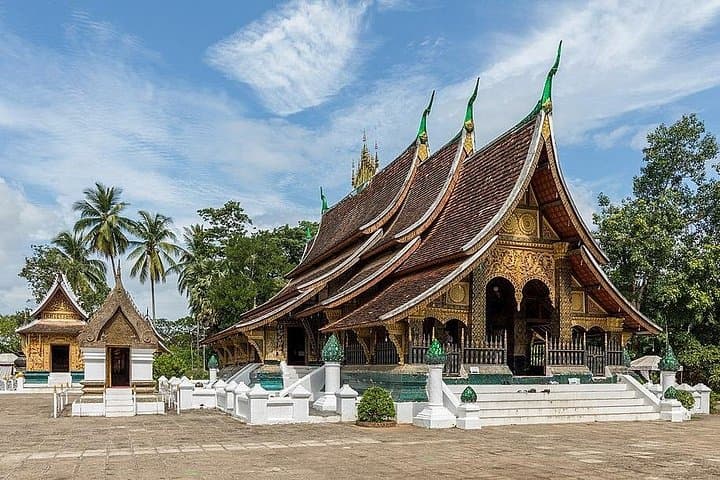
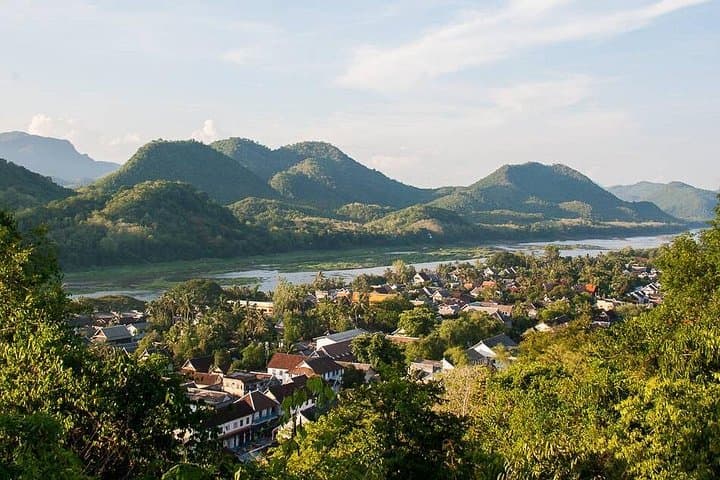
Geologically the town sits on alluvial flats with a steep 100 m rise at Mount Phousi—a quick stair climb rewarded by a panoramic sweep of rooftops and river corridor. Sites on the itinerary include Wat Xieng Thong’s low-slung roofs and mosaic panels, the French-era Royal Palace museum, the crowded early-morning market, and the sobering UXO Information Centre that speaks to the region’s 20th-century scars.
Practicalities: expect 6–8 km of mostly paved walking with a short but steep climb to Phousi; temple entrances commonly charge small fees (have kip ready). The tour begins before sunrise for the alms procession, so wear modest, breathable clothing and good walking shoes. Hydrate—temperatures rise quickly—and carry small notes for market purchases and temple donations. Your licensed English-speaking guide will handle logistics and context, leaving you free to listen to the city’s stories and watch the rivers keep moving.
easy.
12 hours.
Suitable for travelers in average condition; involves several hours of walking and one short steep climb (≈100 m elevation).
Yes—this private tour includes pickup and return to central Luang Prabang accommodations; confirm your pickup point when booking.
Some temple entrances charge modest fees (e.g., Wat Xieng Thong, Royal Palace); bring Lao kip as fees are often not included in basic tour rates.
Yes—visitors should observe quietly from the side, avoid blocking monks, and photograph discreetly; your guide will advise appropriate behavior.
Yes—tour notes indicate the activity is suitable for all fitness levels, but families should plan for early mornings and bring snacks for young children.
Luang Prabang was the religious and political heart of the Lan Xang kingdom; French colonial architecture from the early 20th century sits alongside centuries-old wats.
Tourism supports local crafts and museums, but visitors should respect temple rules and avoid buying items made from protected wildlife; the area still contends with UXO legacy, and responsible tourism helps fund clearance and community programs.
Manifa travel operates guided outdoor trips and adventures with an emphasis on safety, stewardship, and memorable experiences.
Dawn arrives over the Mekong like a slow exhale—mist lifting from the river as saffron-robed monks move through narrow streets, palms folded, bowls catching rice and offerings.
Dawn arrives over the Mekong like a slow exhale—mist lifting from the river as saffron-robed monks move through narrow streets, palms folded, bowls catching rice and offerings.
This full-day private tour places you in the middle of Luang Prabang’s living history: a compact UNESCO World Heritage peninsula where French colonial villas, teak wooden homes and gold-gilded wats coexist beside the convergence of the Mekong and Nam Khan rivers. The city was the center of the Lan Xang kingdom and remains a hub of Lao Buddhist practice; the morning alms (sai bat) is a ritual preserved here when most of the country has modernized away from it.
Geologically the town sits on alluvial flats with a steep 100 m rise at Mount Phousi—a quick stair climb rewarded by a panoramic sweep of rooftops and river corridor. Sites on the itinerary include Wat Xieng Thong’s low-slung roofs and mosaic panels, the French-era Royal Palace museum, the crowded early-morning market, and the sobering UXO Information Centre that speaks to the region’s 20th-century scars.
Practicalities: expect 6–8 km of mostly paved walking with a short but steep climb to Phousi; temple entrances commonly charge small fees (have kip ready). The tour begins before sunrise for the alms procession, so wear modest, breathable clothing and good walking shoes. Hydrate—temperatures rise quickly—and carry small notes for market purchases and temple donations. Your licensed English-speaking guide will handle logistics and context, leaving you free to listen to the city’s stories and watch the rivers keep moving.