THE ADVENTURE COLLECTIVE® · Independent discovery and booking for outdoor travel

Choose a tailored road transfer from Lisbon to the Algarve with stops in either the coastal Arrábida range or the historic city of Évora. This private, full-day option combines scenic short hikes, cultural highlights, and door‑to‑door convenience.
Choose a tailored road transfer from Lisbon to the Algarve with stops in either the coastal Arrábida range or the historic city of Évora. This private, full-day option combines scenic short hikes, cultural highlights, and door‑to‑door convenience.
The van eases out of Lisbon and the river fades into olive groves and limestone ridges as the day opens. Travelers choose a route — the coastal Arrábida range with its cliffs and fishing coves, or the inland sweep of Évora with its Roman stones — and the guide folds the day around that choice.
Verified experiences and guided adventures in the surrounding area.
Operated by I GO PORTUGAL · Lisbon, Lisbon District
The van eases out of Lisbon and the river fades into olive groves and limestone ridges as the day opens. Travelers choose a route — the coastal Arrábida range with its cliffs and fishing coves, or the inland sweep of Évora with its Roman stones — and the guide folds the day around that choice.
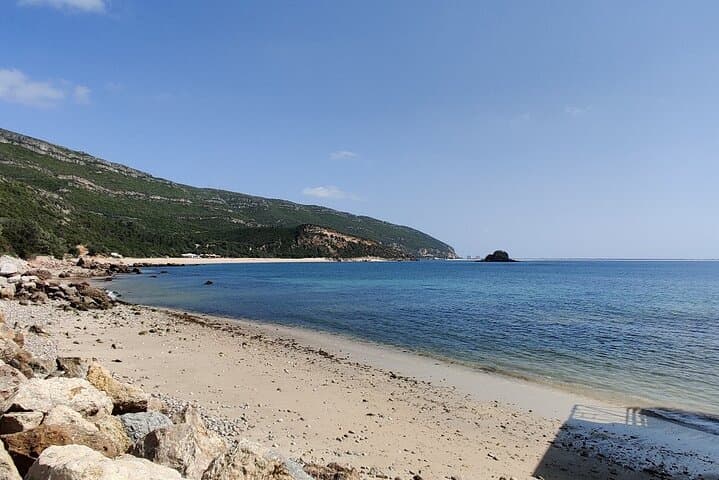
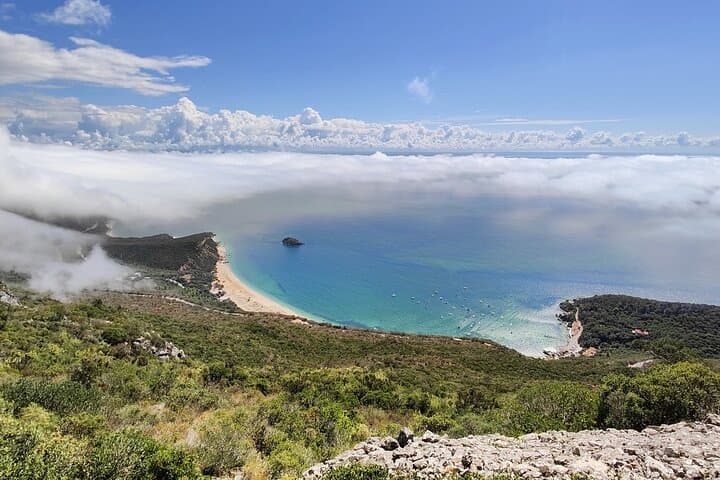
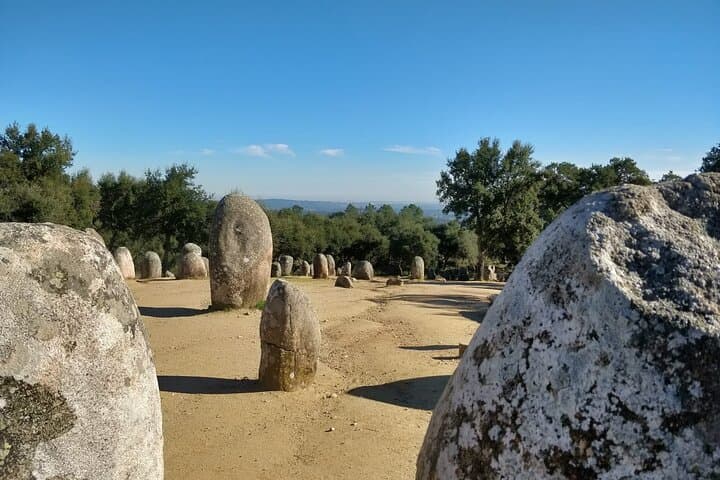
Arrábida is a short coastal mountain chain south of the Tagus with peaks reaching about 500 m, cliffs that dare the Atlantic winds, and turquoise bays like Portinho where short rocky trails and beaches meet fishing-harbor life. Évora sits roughly 300 m above sea level; its Roman Temple and 13th‑century cathedral are compact landmarks in a UNESCO-listed medieval core. Both routes trace geology shaped by limestone and marine terraces, and cultures built on seafaring, agriculture, and Roman occupation.
Expect a full-day transfer of roughly 8–10 hours covering 250–300 km door to door, with several short stops and easy walks (0.5–3 km) at viewpoints and town centers. The guide provides bottled water, an air‑conditioned vehicle, and local context; admissions to sites are generally separate.
Practical edge: wear comfortable walking shoes for uneven stone streets and short coastal scrambles, carry sunscreen and a light layer for wind off the Atlantic, and keep a power bank for photos. Plan pickup early to avoid midday heat in summer and leave time to taste local cheese or a quick seafood meal in Sesimbra before the final drive to the Algarve.
easy.
8–10 hours.
Suitable for travelers with moderate mobility; involves short walks up to 3 km and standing at viewpoints.
Yes — at booking or on the day the guide will confirm whether you prefer Arrábida (coast) or Évora (inland) and tailor stops accordingly.
Yes; infant seats are available and short walks are family-friendly, but bring sun protection and plan breaks for young children.
Transport, guide service and bottled water are included; site admissions and meals are typically paid separately.
Expect roughly 250–300 km total depending on route and stops, spread across an 8–10 hour day with several short walks.
Évora preserves Roman and medieval layers—the Roman Temple dates to the 1st century CE and the city is a UNESCO World Heritage site.
Arrábida is a protected natural park; stay on marked paths, respect marine areas, and support local businesses to help preserve landscapes.
I GO PORTUGAL operates guided outdoor trips and adventures with an emphasis on safety, stewardship, and memorable experiences.
The van eases out of Lisbon and the river fades into olive groves and limestone ridges as the day opens. Travelers choose a route — the coastal Arrábida range with its cliffs and fishing coves, or the inland sweep of Évora with its Roman stones — and the guide folds the day around that choice.
The van eases out of Lisbon and the river fades into olive groves and limestone ridges as the day opens. Travelers choose a route — the coastal Arrábida range with its cliffs and fishing coves, or the inland sweep of Évora with its Roman stones — and the guide folds the day around that choice.
Arrábida is a short coastal mountain chain south of the Tagus with peaks reaching about 500 m, cliffs that dare the Atlantic winds, and turquoise bays like Portinho where short rocky trails and beaches meet fishing-harbor life. Évora sits roughly 300 m above sea level; its Roman Temple and 13th‑century cathedral are compact landmarks in a UNESCO-listed medieval core. Both routes trace geology shaped by limestone and marine terraces, and cultures built on seafaring, agriculture, and Roman occupation.
Expect a full-day transfer of roughly 8–10 hours covering 250–300 km door to door, with several short stops and easy walks (0.5–3 km) at viewpoints and town centers. The guide provides bottled water, an air‑conditioned vehicle, and local context; admissions to sites are generally separate.
Practical edge: wear comfortable walking shoes for uneven stone streets and short coastal scrambles, carry sunscreen and a light layer for wind off the Atlantic, and keep a power bank for photos. Plan pickup early to avoid midday heat in summer and leave time to taste local cheese or a quick seafood meal in Sesimbra before the final drive to the Algarve.