THE ADVENTURE COLLECTIVE® · Independent discovery and booking for outdoor travel

Cross the Tagus to discover Portugal’s historical solares, surf-side beaches and an intimate Setúbal wine tasting. This private day tour blends cultural houses, seaside lunch and cellar visits with hotel pickup and accessible transport.
Cross the Tagus to discover Portugal’s historical solares, surf-side beaches and an intimate Setúbal wine tasting. This private day tour blends cultural houses, seaside lunch and cellar visits with hotel pickup and accessible transport.
The van eases away from Lisbon’s stone facades and crosses the 25 de Abril Bridge, the Tagus opening beneath as if daring you to look. On the south bank, Cristo Rei watches the city with outstretched arms while pine wind on Costa da Caparica pushes salt-scented air through the dunes; the day moves from quiet manor gardens to surf-side grills and the cool dim of a centuries-old wine cellar.
The van eases away from Lisbon’s stone facades and crosses the 25 de Abril Bridge, the Tagus opening beneath as if daring you to look. On the south bank, Cristo Rei watches the city with outstretched arms while pine wind on Costa da Caparica pushes salt-scented air through the dunes; the day moves from quiet manor gardens to surf-side grills and the cool dim of a centuries-old wine cellar.
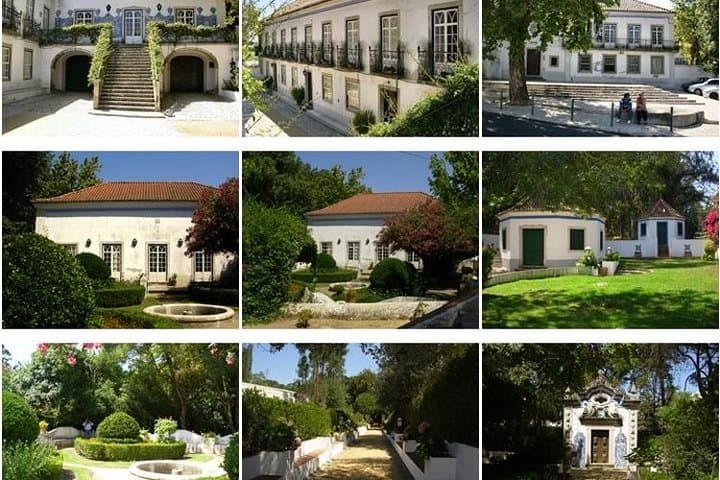
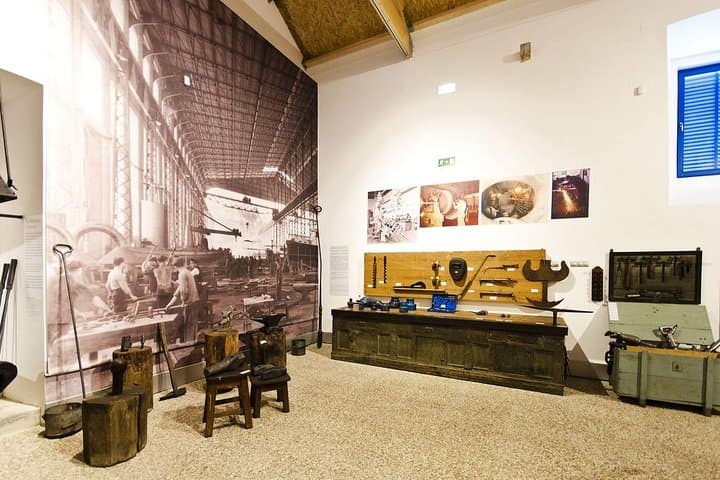
The route threads local history: 17th–18th century solares (manor houses) built by merchant families, the shipbuilding docks of Almada and Cacilhas that once launched wooden frigates, and the José Maria da Fonseca estate where Setúbal’s muscats age in stone cellars. Geology is visible in the sweep of the Tagus estuary and the sandy barrier beaches that form Costa da Caparica, shaped by Atlantic swells that sculpt dunes and pine stands.
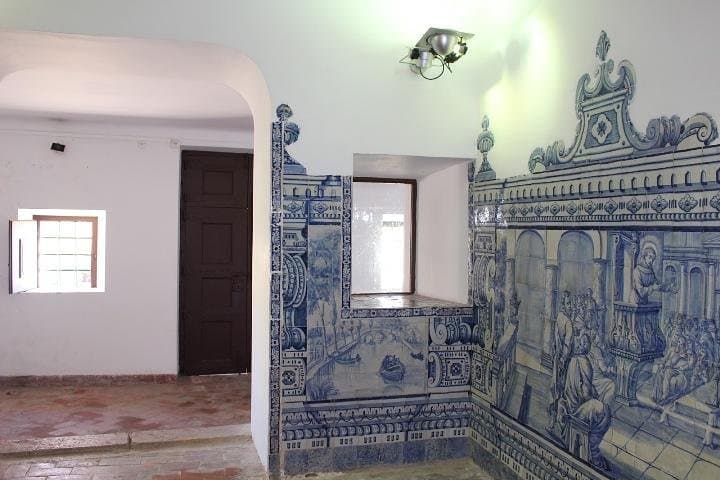
Culturally the tour mixes small-town rhythms — fishing boats hauled at Sessimbra, a relaxed seaside lunch of grilled fish — with tastings that reveal fortified muscatel’s sweet concentration. Guides explain traditional tile work, frescoes and the social role solares played in rural estates.
Practicalities: this private, full-day tour runs about eight hours with hotel pickup, wheelchair-accessible vehicles on request, museum entry and a wine tasting included. Expect short walks on uneven surfaces at estates and beach promenades; bring sun protection, a reusable water bottle, comfortable shoes and a light jacket for coastal breezes. Timing mid-morning to late afternoon gives the best light for views from Cristo Rei and cooler tasting conditions in the cellar.
easy.
8 hours.
Suitable for most fitness levels; requires short, easy walks and getting in/out of a minivan
No — mobile tickets are accepted; the operator provides pickup details and confirms booking electronically.
Yes — vehicles and most sites are wheelchair accessible, but contact the operator to confirm specific needs in advance.
Yes — lunch and a guided wine tasting at José Maria da Fonseca are included in the tour price.
The van eases away from Lisbon’s stone facades and crosses the 25 de Abril Bridge, the Tagus opening beneath as if daring you to look. On the south bank, Cristo Rei watches the city with outstretched arms while pine wind on Costa da Caparica pushes salt-scented air through the dunes; the day moves from quiet manor gardens to surf-side grills and the cool dim of a centuries-old wine cellar.
Verified experiences and guided adventures in the surrounding area.
Standard pickup is around 9:00 AM with drop-off by 6:30 PM; times are flexible—confirm at booking to match your accommodation.
Solares grew from 17th–18th century landed wealth; the region’s maritime industry and shipyards once fueled Portugal’s coastal economy.
Coastal dunes and estuarine habitats face erosion and human pressure; visitors are encouraged to avoid trampling dunes, carry out waste and support local sustainable operators.
Knight Riders Tourism operates guided outdoor trips and adventures with an emphasis on safety, stewardship, and memorable experiences.
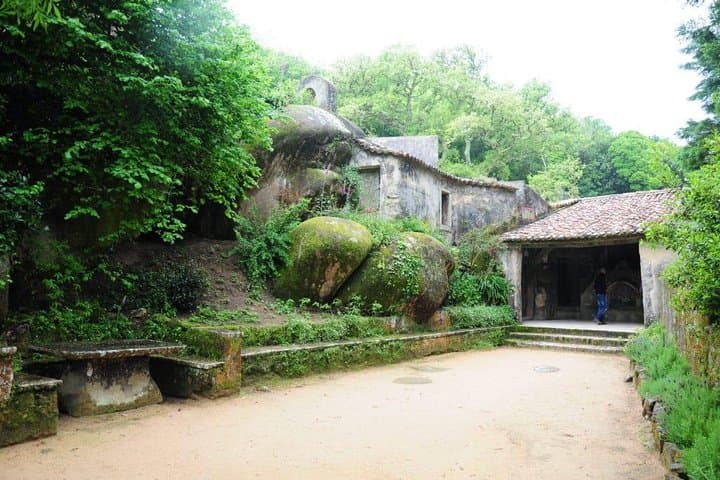
The van eases away from Lisbon’s stone facades and crosses the 25 de Abril Bridge, the Tagus opening beneath as if daring you to look. On the south bank, Cristo Rei watches the city with outstretched arms while pine wind on Costa da Caparica pushes salt-scented air through the dunes; the day moves from quiet manor gardens to surf-side grills and the cool dim of a centuries-old wine cellar.
The route threads local history: 17th–18th century solares (manor houses) built by merchant families, the shipbuilding docks of Almada and Cacilhas that once launched wooden frigates, and the José Maria da Fonseca estate where Setúbal’s muscats age in stone cellars. Geology is visible in the sweep of the Tagus estuary and the sandy barrier beaches that form Costa da Caparica, shaped by Atlantic swells that sculpt dunes and pine stands.
Culturally the tour mixes small-town rhythms — fishing boats hauled at Sessimbra, a relaxed seaside lunch of grilled fish — with tastings that reveal fortified muscatel’s sweet concentration. Guides explain traditional tile work, frescoes and the social role solares played in rural estates.
Practicalities: this private, full-day tour runs about eight hours with hotel pickup, wheelchair-accessible vehicles on request, museum entry and a wine tasting included. Expect short walks on uneven surfaces at estates and beach promenades; bring sun protection, a reusable water bottle, comfortable shoes and a light jacket for coastal breezes. Timing mid-morning to late afternoon gives the best light for views from Cristo Rei and cooler tasting conditions in the cellar.