THE ADVENTURE COLLECTIVE® · Independent discovery and booking for outdoor travel

Experience the towering Leshan Giant Buddha up close, then learn traditional tea-making from a local farmer. This private day tour pairs temple trails, river views and hands-on tea craft for a full cultural immersion.
Experience the towering Leshan Giant Buddha up close, then learn traditional tea-making from a local farmer. This private day tour pairs temple trails, river views and hands-on tea craft for a full cultural immersion.
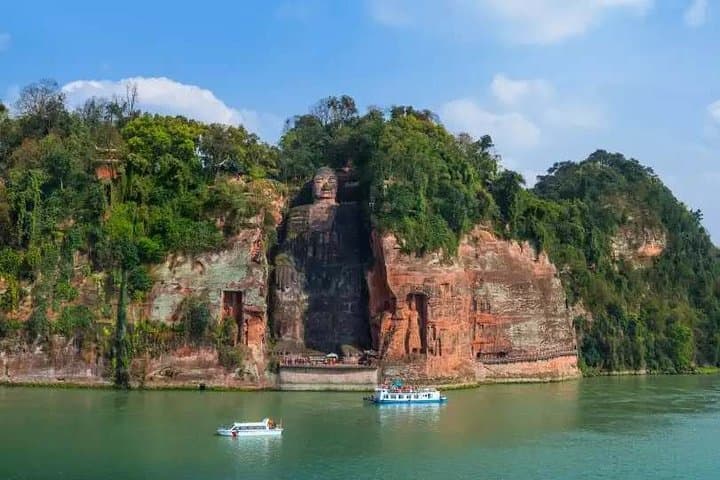
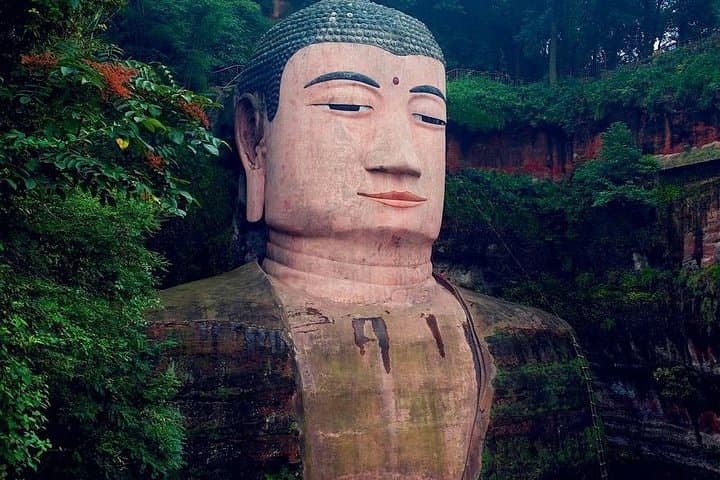
You step off the air-conditioned van and the river opens up—broad and dark—framing the Giant Buddha as if the statue has been waiting to meet every traveler arriving by water. The first view is cinematic: the Buddha’s massive stone brow and coiled hair looming above the confluence where the Min and Dadu rivers meet, wind brushing the terraces and tea fields that climb the nearby hills.
Verified experiences and guided adventures in the surrounding area.
Operated by Samtour of Chengdu OTC Travel · Leshan, Sichuan
You step off the air-conditioned van and the river opens up—broad and dark—framing the Giant Buddha as if the statue has been waiting to meet every traveler arriving by water. The first view is cinematic: the Buddha’s massive stone brow and coiled hair looming above the confluence where the Min and Dadu rivers meet, wind brushing the terraces and tea fields that climb the nearby hills.
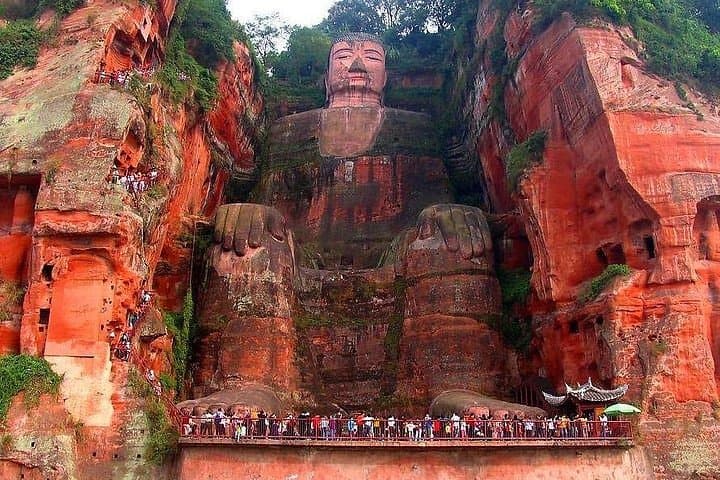
Carved from the river-facing cliff during the Tang dynasty, the 71-meter Leshan Giant Buddha commands not just attention but history: engineers and monks shaped red sandstone into the world's largest carved Buddha to calm turbulent currents below. Geology here is practical—soft sandstone that allowed intricate sculpting but now requires constant conservation to manage erosion and vegetation growth.
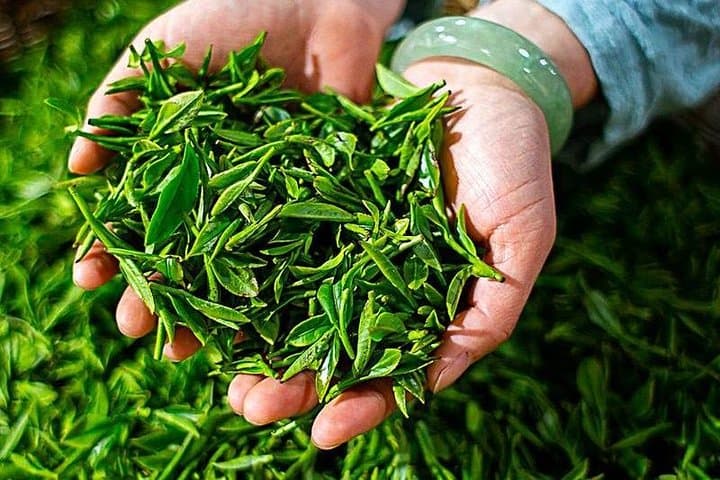
The day unfolds in two textures: cultural pilgrimage and agricultural craft. A private guide moves you through Lingyun Temple behind the Buddha’s head, down stepped trails to the Buddha’s feet, and if you choose, a low-slung boat gives you the river profile sailors once relied on. In the afternoon a local tea farmer leads a hands-on lesson—picking, withering, pan-firing or steaming, and finally brewing—the kind of practical ritual that connects landscape to cup.
Practical edge: expect stairs and uneven stone paths, six to eight hours on a full-day schedule, and variable weather—bring layers, sun protection and modest clothing for temple areas. Buy tickets in advance in high season, consider the boat for a different perspective, and leave space in your pack for the tea you’ll take home.
easy.
6–8 hours.
Suitable for most fitness levels; expect moderate walking and several stair sections—basic mobility and stamina for a half-day of steps are helpful.
The tour runs about 6–8 hours (360–480 minutes) including hotel pickup in Chengdu, time at the Giant Buddha and the tea plantation session.
Boat tickets are optional; the itinerary lists an alternative river cruise for a frontal view, which may be arranged for an additional fee or local ticket.
Some parts of the complex are accessible, but the primary viewing paths around the Buddha involve stairs and uneven stone; infants can use strollers but full accessibility is limited.
Yes—the tea you learn to make and prepare during the plantation visit is typically packaged for you to take home as part of the experience.
Carved during the Tang dynasty (8th century), the Leshan Giant Buddha was built by monks to calm dangerous river currents and has been a pilgrimage site for centuries.
Soft sandstone requires ongoing conservation; visitors can help by staying on marked trails, avoiding climbing and supporting local guides and conservation fees.
Samtour of Chengdu OTC Travel operates guided outdoor trips and adventures with an emphasis on safety, stewardship, and memorable experiences.
You step off the air-conditioned van and the river opens up—broad and dark—framing the Giant Buddha as if the statue has been waiting to meet every traveler arriving by water. The first view is cinematic: the Buddha’s massive stone brow and coiled hair looming above the confluence where the Min and Dadu rivers meet, wind brushing the terraces and tea fields that climb the nearby hills.
You step off the air-conditioned van and the river opens up—broad and dark—framing the Giant Buddha as if the statue has been waiting to meet every traveler arriving by water. The first view is cinematic: the Buddha’s massive stone brow and coiled hair looming above the confluence where the Min and Dadu rivers meet, wind brushing the terraces and tea fields that climb the nearby hills.
Carved from the river-facing cliff during the Tang dynasty, the 71-meter Leshan Giant Buddha commands not just attention but history: engineers and monks shaped red sandstone into the world's largest carved Buddha to calm turbulent currents below. Geology here is practical—soft sandstone that allowed intricate sculpting but now requires constant conservation to manage erosion and vegetation growth.
The day unfolds in two textures: cultural pilgrimage and agricultural craft. A private guide moves you through Lingyun Temple behind the Buddha’s head, down stepped trails to the Buddha’s feet, and if you choose, a low-slung boat gives you the river profile sailors once relied on. In the afternoon a local tea farmer leads a hands-on lesson—picking, withering, pan-firing or steaming, and finally brewing—the kind of practical ritual that connects landscape to cup.
Practical edge: expect stairs and uneven stone paths, six to eight hours on a full-day schedule, and variable weather—bring layers, sun protection and modest clothing for temple areas. Buy tickets in advance in high season, consider the boat for a different perspective, and leave space in your pack for the tea you’ll take home.