THE ADVENTURE COLLECTIVE® · Independent discovery and booking for outdoor travel

A guided 90-minute walk through central Leeds that maps the city’s industrial past to its lively present. Explore Victorian arcades, the Corn Exchange, and the cheeky golden owls with a local guide.
A guided 90-minute walk through central Leeds that maps the city’s industrial past to its lively present. Explore Victorian arcades, the Corn Exchange, and the cheeky golden owls with a local guide.
A late-morning crowd parts as your guide waits outside Leeds Town Hall, the sandstone façade a steady landmark against a shifting Yorkshire sky. The group steps off along broad paved streets where trams once ran and textile wagons rattled; voices lower as the guide points out architectural flourishes, alleyway signs and a small bronze owl peeking from a ledge.
Verified experiences and guided adventures in the surrounding area.
Operated by Walking Tours in England · Leeds, West Yorkshire
A late-morning crowd parts as your guide waits outside Leeds Town Hall, the sandstone façade a steady landmark against a shifting Yorkshire sky. The group steps off along broad paved streets where trams once ran and textile wagons rattled; voices lower as the guide points out architectural flourishes, alleyway signs and a small bronze owl peeking from a ledge.
Leeds grew quickly in the 18th and 19th centuries on the back of wool and textile milling; the River Aire and the surrounding Millstone Grit uplands funneled water and industry into the valley, shaping both economy and streetscape. The walking tour threads through civic squares, the world’s oldest working music hall, ornate glass-roofed Victorian arcades and the resilient Leeds Indoor Market — each stop a chapter in the city’s industrial-to-cultural transition.
Culturally the city is direct and lively: you’ll hear stories of merchants, municipal reformers and the eccentric characters who left small clues — plaques, carved animals, and yes, the golden owls locals hide and hunt for. The guide mixes urban history with practical pointers: where to sit for a quick bakery stop, which arcade tiles hide heraldic marks, and how the Corn Exchange became a reinvigorated events hub.
Practicalities are straightforward. The tour covers central Leeds on mainly level, paved surfaces over roughly 1.5 hours; wear comfortable shoes, dress for changeable weather, and bring a small bottle of water. Mornings avoid the busiest shopping spikes; afternoons pair well with museum visits. For accessibility, most areas are wheelchair-friendly but confirm specifics ahead. Expect a paced, story-driven walk that orients you to Leeds’ streets and gives you the confidence to explore further on your own.
easy.
1.5 hours.
Suitable for most fitness levels; requires standing and walking on paved city streets for 90 minutes.
Meet outside Leeds Town Hall; the guide introduces the route and key safety info before setting off.
Most areas on this route are wheelchair accessible with paved surfaces and ramps; notify the operator of mobility needs when booking to confirm specifics.
Yes — the tour is family-friendly and suitable for older children who can walk for 90 minutes; strollers are also accommodated.
Full refund available if cancelled at least 24 hours before departure per the operator’s policy; same-day cancellations are not refundable.
Leeds transformed from a medieval market town into an industrial textile center in the 18th–19th centuries; many arcades and market buildings date to the Victorian era.
Respect historic interiors and do not touch fragile architectural details; use public transport to reduce congestion and support local businesses to keep heritage buildings in use.
Walking Tours in England operates guided outdoor trips and adventures with an emphasis on safety, stewardship, and memorable experiences.
A late-morning crowd parts as your guide waits outside Leeds Town Hall, the sandstone façade a steady landmark against a shifting Yorkshire sky. The group steps off along broad paved streets where trams once ran and textile wagons rattled; voices lower as the guide points out architectural flourishes, alleyway signs and a small bronze owl peeking from a ledge.
A late-morning crowd parts as your guide waits outside Leeds Town Hall, the sandstone façade a steady landmark against a shifting Yorkshire sky. The group steps off along broad paved streets where trams once ran and textile wagons rattled; voices lower as the guide points out architectural flourishes, alleyway signs and a small bronze owl peeking from a ledge.
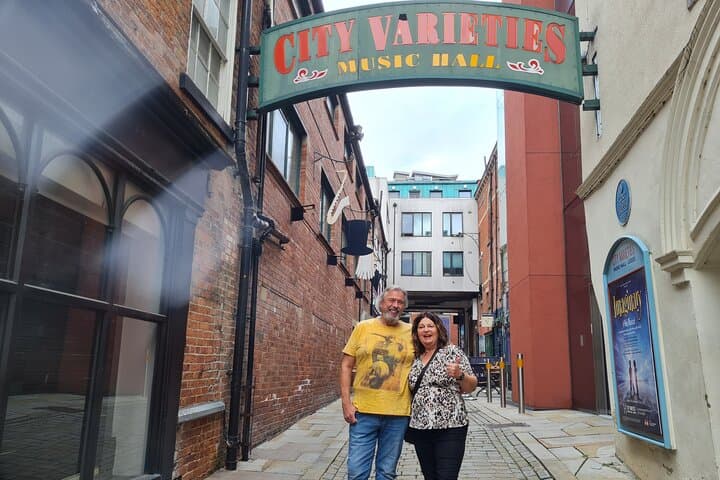
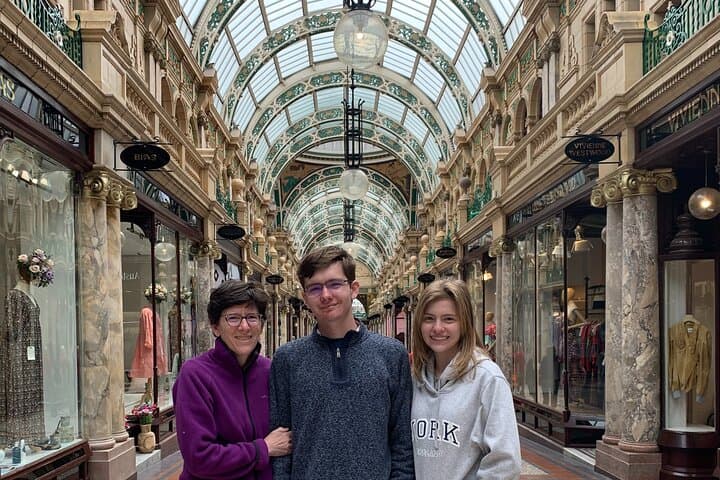
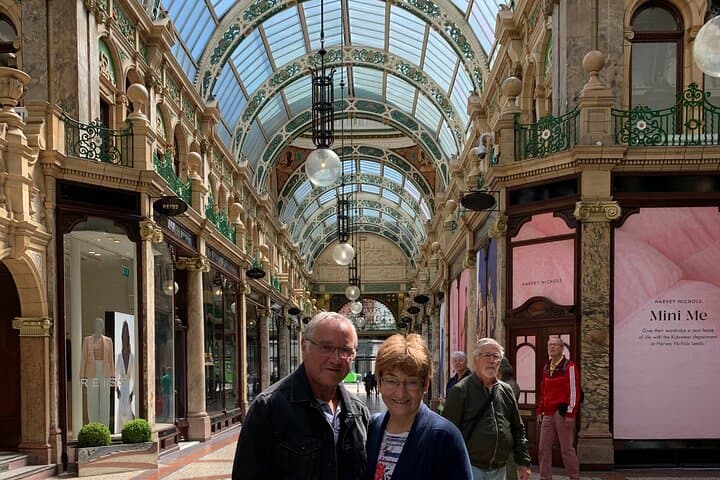
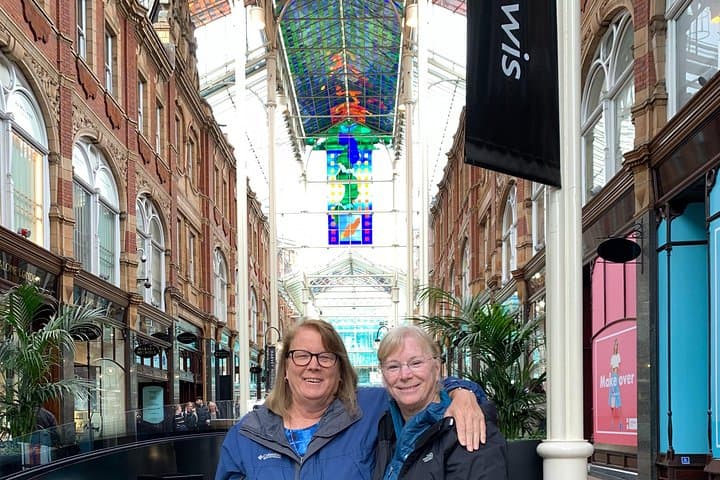
Leeds grew quickly in the 18th and 19th centuries on the back of wool and textile milling; the River Aire and the surrounding Millstone Grit uplands funneled water and industry into the valley, shaping both economy and streetscape. The walking tour threads through civic squares, the world’s oldest working music hall, ornate glass-roofed Victorian arcades and the resilient Leeds Indoor Market — each stop a chapter in the city’s industrial-to-cultural transition.
Culturally the city is direct and lively: you’ll hear stories of merchants, municipal reformers and the eccentric characters who left small clues — plaques, carved animals, and yes, the golden owls locals hide and hunt for. The guide mixes urban history with practical pointers: where to sit for a quick bakery stop, which arcade tiles hide heraldic marks, and how the Corn Exchange became a reinvigorated events hub.
Practicalities are straightforward. The tour covers central Leeds on mainly level, paved surfaces over roughly 1.5 hours; wear comfortable shoes, dress for changeable weather, and bring a small bottle of water. Mornings avoid the busiest shopping spikes; afternoons pair well with museum visits. For accessibility, most areas are wheelchair-friendly but confirm specifics ahead. Expect a paced, story-driven walk that orients you to Leeds’ streets and gives you the confidence to explore further on your own.