THE ADVENTURE COLLECTIVE® · Independent discovery and booking for outdoor travel

Spend a flexible 6–8 hour day exploring the Bernese Oberland by private vehicle. A local driver guides you to waterfalls, glacier viewpoints and lakeside villages with curated stops tailored to your pace.
Spend a flexible 6–8 hour day exploring the Bernese Oberland by private vehicle. A local driver guides you to waterfalls, glacier viewpoints and lakeside villages with curated stops tailored to your pace.
The Mercedes glides out of Interlaken as a valley breathes open: waterfalls throw themselves from knife-edged cliffs, glaciers sit like old, patient machinery higher on the ridgelines, and the road threads villages that seem to have grown around the mountains' moods.
Verified experiences and guided adventures in the surrounding area.
Operated by Ivan Moubtassim · Interlaken, Canton of Bern
The Mercedes glides out of Interlaken as a valley breathes open: waterfalls throw themselves from knife-edged cliffs, glaciers sit like old, patient machinery higher on the ridgelines, and the road threads villages that seem to have grown around the mountains' moods.
On a private day tour through Lauterbrunnen, Grindelwald and Interlaken a local driver does more than ferry passengers — they curate viewpoints, steer you away from crowds, and offer context about the places you pass. The Lauterbrunnen Valley was carved by glacial ice; its steep walls still funnel meltwater into cataracts such as Staubbach and the more hidden Trümmelbach Falls, the latter routed through lift-access tunnels inside the mountain. Grindelwald sits beneath the Eiger’s north face, a cultural crossroads where alpine farming, tourism and rail engineering intersect. Lake Brienz and its postcard shore villages show the softer, lake-carved geology that contrasts the high glacial peaks.
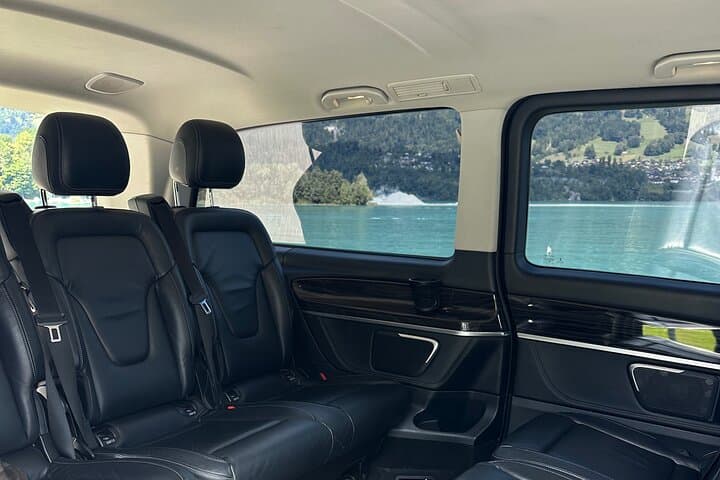
Practical side: expect a 6–8 hour day with flexible stops — short walks, photo breaks and an optional train ascent to Jungfraujoch (“Top of Europe”) which requires separate tickets. Wear sturdy shoes for loose trails near waterfalls, layer for rapid temperature shifts between valley and summit, and carry a camera with extra battery; light, waterproof outerwear is useful even in summer. Travel cards and cards are widely accepted, but some small vendors take cash only. The trip is ideal for travelers wanting a stress-free, personalized introduction to the Bernese Oberland’s high drama paired with local knowledge and on-board conveniences like bottled water and Wi‑Fi.
easy.
6–8 hours.
Suitable for most fitness levels; involves short walks and standing at viewpoints but no sustained hiking.
No, the Jungfraujoch train and entry fees are typically not included and must be purchased separately; your driver can advise on timing.
Yes — the private format allows flexible stops, extra time at certain sites or substitutions based on weather and requests.
Yes — infant seats are available and the tour is stroller-accessible for short walks; some high-elevation sites involve stairs or uneven surfaces.
Language options vary by operator; most local drivers in the Jungfrau region speak English and German — confirm when booking.
The Bernese Oberland grew around alpine farming and 19th-century mountaineering tourism; mountain railways built in the late 1800s opened high glaciers to visitors.
Stick to marked paths and avoid trampling fragile alpine vegetation; many local operators support low-impact travel and valley waste-management initiatives.
Ivan Moubtassim operates guided outdoor trips and adventures with an emphasis on safety, stewardship, and memorable experiences.
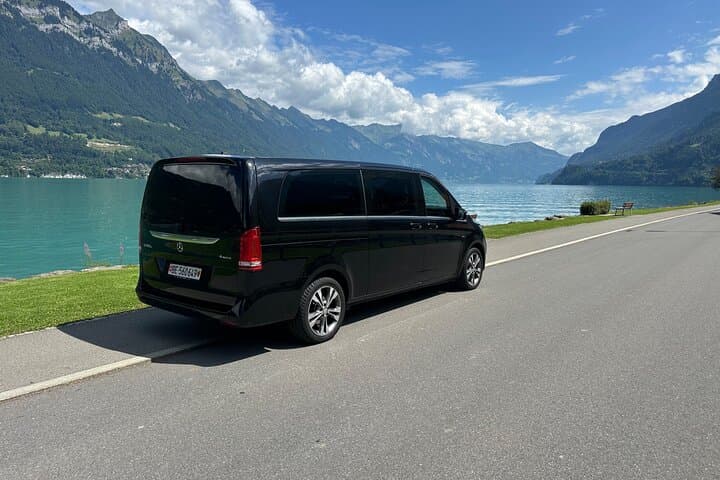
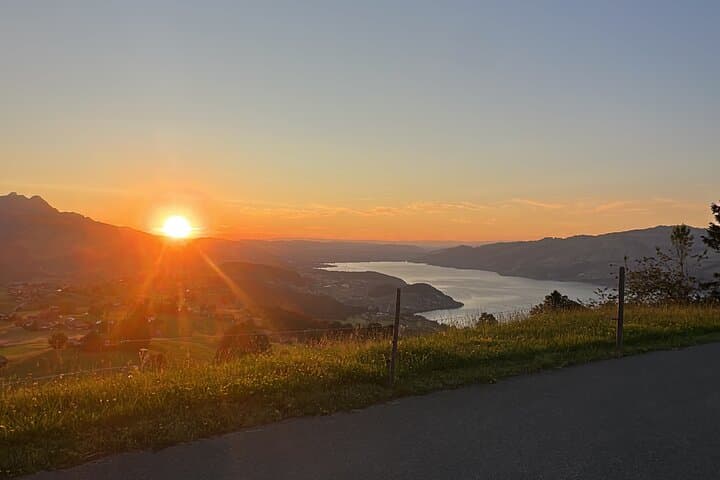
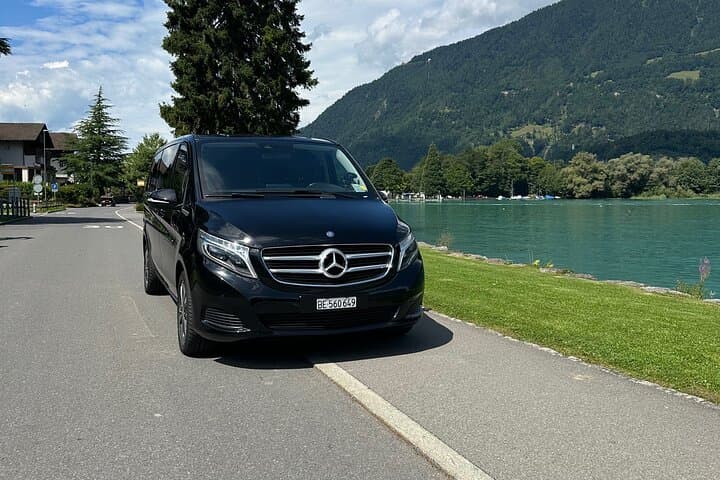
The Mercedes glides out of Interlaken as a valley breathes open: waterfalls throw themselves from knife-edged cliffs, glaciers sit like old, patient machinery higher on the ridgelines, and the road threads villages that seem to have grown around the mountains' moods.
The Mercedes glides out of Interlaken as a valley breathes open: waterfalls throw themselves from knife-edged cliffs, glaciers sit like old, patient machinery higher on the ridgelines, and the road threads villages that seem to have grown around the mountains' moods.
On a private day tour through Lauterbrunnen, Grindelwald and Interlaken a local driver does more than ferry passengers — they curate viewpoints, steer you away from crowds, and offer context about the places you pass. The Lauterbrunnen Valley was carved by glacial ice; its steep walls still funnel meltwater into cataracts such as Staubbach and the more hidden Trümmelbach Falls, the latter routed through lift-access tunnels inside the mountain. Grindelwald sits beneath the Eiger’s north face, a cultural crossroads where alpine farming, tourism and rail engineering intersect. Lake Brienz and its postcard shore villages show the softer, lake-carved geology that contrasts the high glacial peaks.
Practical side: expect a 6–8 hour day with flexible stops — short walks, photo breaks and an optional train ascent to Jungfraujoch (“Top of Europe”) which requires separate tickets. Wear sturdy shoes for loose trails near waterfalls, layer for rapid temperature shifts between valley and summit, and carry a camera with extra battery; light, waterproof outerwear is useful even in summer. Travel cards and cards are widely accepted, but some small vendors take cash only. The trip is ideal for travelers wanting a stress-free, personalized introduction to the Bernese Oberland’s high drama paired with local knowledge and on-board conveniences like bottled water and Wi‑Fi.