THE ADVENTURE COLLECTIVE® · Independent discovery and booking for outdoor travel

Descend into a medieval cellar in Riga for a private tasting of six Baltic-style wines and local snacks. Learn how northern climate and small-scale producers shape unusual fruit-forward flavors.
Descend into a medieval cellar in Riga for a private tasting of six Baltic-style wines and local snacks. Learn how northern climate and small-scale producers shape unusual fruit-forward flavors.
The cellar door is a stone mouth under Riga’s Old Town: cool air, a faint tang of oak and fermentation, and low light that makes each glass glow like a small jewel. You move through a medieval dungeon repurposed for tasting—barrel staves creak, and a guide with local knowledge leans in to describe the grapes and berries that shaped each pour.
Verified experiences and guided adventures in the surrounding area.
Operated by Opatrip.com Latvia · Riga, Riga
The cellar door is a stone mouth under Riga’s Old Town: cool air, a faint tang of oak and fermentation, and low light that makes each glass glow like a small jewel. You move through a medieval dungeon repurposed for tasting—barrel staves creak, and a guide with local knowledge leans in to describe the grapes and berries that shaped each pour.
Riga sits on centuries of trade routes tied to the Hanseatic League; its cellars and merchant houses reflect that commerce. Latvia’s wine story isn’t vast like southern Europe’s—local producers often work with fruit wines and small-batch grape wines adapted to a short, maritime growing season and glacial soils. Monastic and merchant traditions influenced preservation and flavoring techniques, which modern micro-wineries have revived with an experimental edge.
Expect six distinct pours and complementary local snacks over roughly two hours. Tasting notes will highlight apple, blackcurrant, and seabuckthorn profiles alongside lighter grape expressions—flavors driven by cool summers and long daylight in season. The guide will show standard tasting order, palate-cleansing snacks, and pairing ideas with Latvian products.
Practicalities: the tour is private and centrally located in Riga’s Old Town; public transit stops are nearby and the site may be moderately dim and stepped. Not recommended for pregnant travelers. Bring a light layer for cool cellars, a card or cash for small purchases, and pace yourself through richer fruit wines. Aim for an afternoon slot to combine tasting with a walking tour of nearby historic streets afterward.
easy.
2 hours.
Minimal physical exertion required; participants should be able to stand and walk short stair flights.
The private tasting runs about 120 minutes and includes six wine pours and local snacks.
Yes—non-drinkers can participate for the cultural and sensory presentation, but the focus is on alcoholic beverages; notify the operator in advance for alternatives.
This experience centers on alcohol and is not recommended for minors; check the operator's policy before booking.
Medieval cellars often have steps and uneven floors; contact the provider ahead of time to confirm accessibility options.
Riga’s Old Town grew wealthy on Hanseatic trade; many cellars and merchant houses were later adapted for food and drink uses, and local preservation techniques influenced early fermented beverages.
Small-scale producers often emphasize local ingredients and reduced transport footprint—supporting them helps sustain regional agriculture; try to avoid single-use plastics when purchasing bottles or souvenirs.
Opatrip.com Latvia operates guided outdoor trips and adventures with an emphasis on safety, stewardship, and memorable experiences.
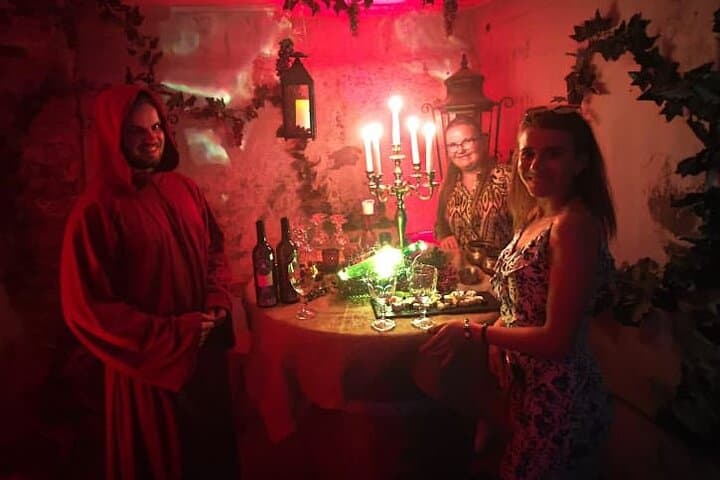

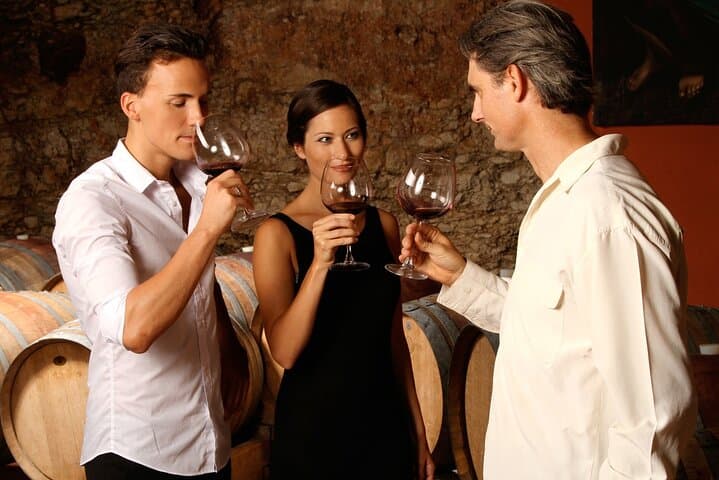
The cellar door is a stone mouth under Riga’s Old Town: cool air, a faint tang of oak and fermentation, and low light that makes each glass glow like a small jewel. You move through a medieval dungeon repurposed for tasting—barrel staves creak, and a guide with local knowledge leans in to describe the grapes and berries that shaped each pour.
The cellar door is a stone mouth under Riga’s Old Town: cool air, a faint tang of oak and fermentation, and low light that makes each glass glow like a small jewel. You move through a medieval dungeon repurposed for tasting—barrel staves creak, and a guide with local knowledge leans in to describe the grapes and berries that shaped each pour.
Riga sits on centuries of trade routes tied to the Hanseatic League; its cellars and merchant houses reflect that commerce. Latvia’s wine story isn’t vast like southern Europe’s—local producers often work with fruit wines and small-batch grape wines adapted to a short, maritime growing season and glacial soils. Monastic and merchant traditions influenced preservation and flavoring techniques, which modern micro-wineries have revived with an experimental edge.
Expect six distinct pours and complementary local snacks over roughly two hours. Tasting notes will highlight apple, blackcurrant, and seabuckthorn profiles alongside lighter grape expressions—flavors driven by cool summers and long daylight in season. The guide will show standard tasting order, palate-cleansing snacks, and pairing ideas with Latvian products.
Practicalities: the tour is private and centrally located in Riga’s Old Town; public transit stops are nearby and the site may be moderately dim and stepped. Not recommended for pregnant travelers. Bring a light layer for cool cellars, a card or cash for small purchases, and pace yourself through richer fruit wines. Aim for an afternoon slot to combine tasting with a walking tour of nearby historic streets afterward.