THE ADVENTURE COLLECTIVE® · Independent discovery and booking for outdoor travel

Drive an hour from Yerevan to Armenia's high-altitude jewel, Lake Sevan, and step between ninth-century monasteries and a field of carved khachkars. This private day tour pairs panoramic lake views with intimate cultural history and short, accessible walks.
Drive an hour from Yerevan to Armenia's high-altitude jewel, Lake Sevan, and step between ninth-century monasteries and a field of carved khachkars. This private day tour pairs panoramic lake views with intimate cultural history and short, accessible walks.
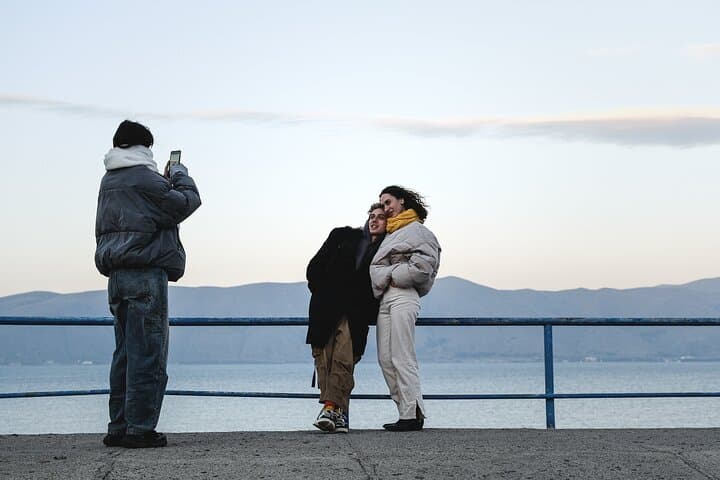
A ribbon of road lifts out of Yerevan and, in under an hour, deposits travelers at Lake Sevan's high plateau. The lake waits broad and bright at roughly 1,900 meters, wind combing the surface and waves lapping the pebbled shore as mountains hold the horizon. Sevanavank perches on a short peninsula; stone steps climb to compact, ninth-century churches where views open across cobalt water and distant ranges.
Verified experiences and guided adventures in the surrounding area.
Operated by Yerani Travel LLC · Sevan, Gegharkunik
A ribbon of road lifts out of Yerevan and, in under an hour, deposits travelers at Lake Sevan's high plateau. The lake waits broad and bright at roughly 1,900 meters, wind combing the surface and waves lapping the pebbled shore as mountains hold the horizon. Sevanavank perches on a short peninsula; stone steps climb to compact, ninth-century churches where views open across cobalt water and distant ranges.
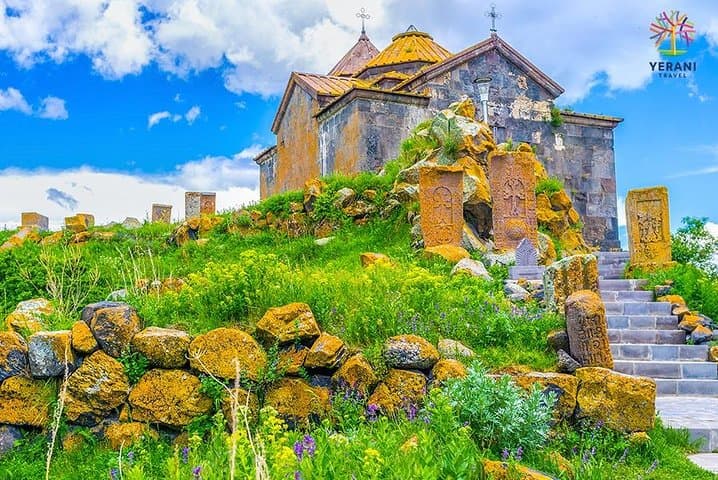
This route stitches together Armenia's medieval Christian heritage and its living landscape. Sevanavank and Hayravank are late-ANTIQ-to-medieval monasteries built of local basalt and tuff; their façades and small courtyards reveal simple, austere architecture aligned to the lake below. At Noratus, nearly a thousand khachkars—ornately carved cross-stones—stand like pages from a communal memory, each chip and interlace recording belief, craft, and local legend.
Geologically, Sevan is a high-altitude freshwater basin shaped by tectonics and glacial action; the air feels thinner, the light clearer. Culturally, the trip is a primer on Armenian stonework, village life, and lakeside fisheries.
Practical guidance: expect short walks, uneven ground and stone steps; bring a light jacket for strong winds and sturdy shoes for pebbled shorelines. Midday sun is intense at elevation—hydrate and use sun protection. Timing your visit for morning or late afternoon softens the light for photography and eases crowds. The private format keeps pace flexible—ideal for slowing at a khachkar that catches your eye or lingering on the peninsula to watch the lake push against the shore.
easy.
6–7 hours.
Suitable for most fitness levels; participants should be comfortable with short walks (10–20 minutes) and climbing several stone steps.
The private tour runs about 6–7 hours total; driving time each way from Yerevan is roughly one hour depending on traffic and stops.
Most monastery grounds and Noratus are open-air sites; specific preserved areas may charge small local fees—confirm with the operator if tickets are included.
The tour is classified easy with short walks, but sites include stone steps and uneven ground; those with limited mobility can still enjoy many viewpoints from nearby parking areas.
Late spring through early fall offers milder weather and clearer roads; summer provides warm lakeside conditions while spring and fall have crisper light and fewer crowds.
Sevanavank and Hayravank date to the medieval period and reflect Armenia’s early Christian monastic architecture; Noratus hosts one of the largest concentrations of khachkars—unique carved cross-stones central to Armenian cultural expression.
Lake Sevan has experienced historical water-level change and ongoing conservation efforts aim to balance tourism, fisheries, and ecological protection; visitors are encouraged to minimize waste and respect protected areas.
Yerani Travel LLC operates guided outdoor trips and adventures with an emphasis on safety, stewardship, and memorable experiences.
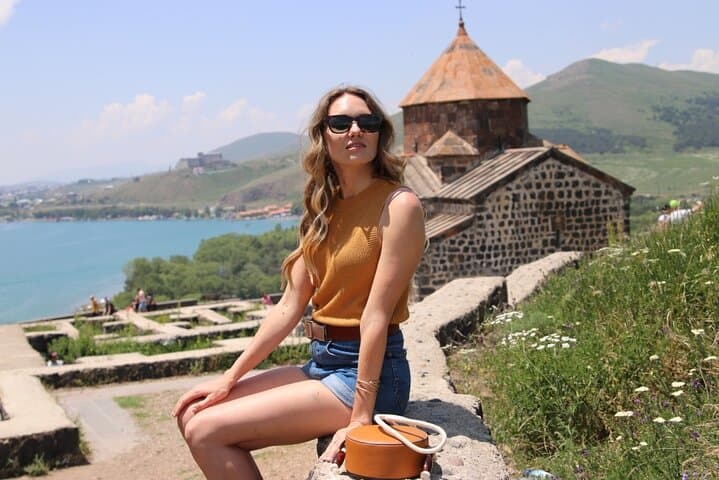
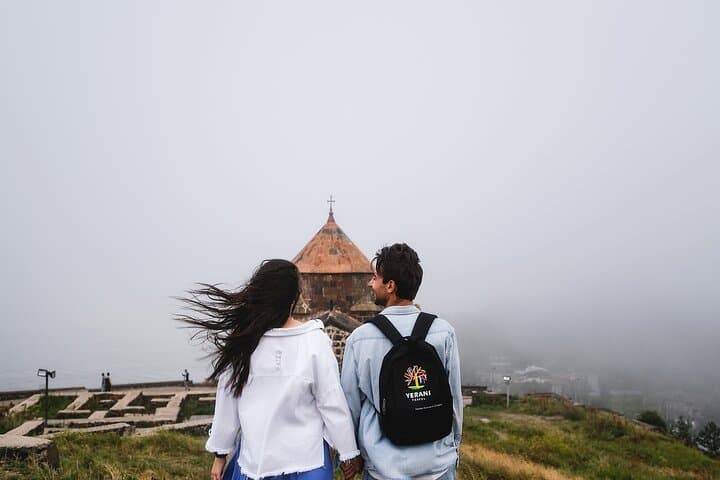
A ribbon of road lifts out of Yerevan and, in under an hour, deposits travelers at Lake Sevan's high plateau. The lake waits broad and bright at roughly 1,900 meters, wind combing the surface and waves lapping the pebbled shore as mountains hold the horizon. Sevanavank perches on a short peninsula; stone steps climb to compact, ninth-century churches where views open across cobalt water and distant ranges.
A ribbon of road lifts out of Yerevan and, in under an hour, deposits travelers at Lake Sevan's high plateau. The lake waits broad and bright at roughly 1,900 meters, wind combing the surface and waves lapping the pebbled shore as mountains hold the horizon. Sevanavank perches on a short peninsula; stone steps climb to compact, ninth-century churches where views open across cobalt water and distant ranges.
This route stitches together Armenia's medieval Christian heritage and its living landscape. Sevanavank and Hayravank are late-ANTIQ-to-medieval monasteries built of local basalt and tuff; their façades and small courtyards reveal simple, austere architecture aligned to the lake below. At Noratus, nearly a thousand khachkars—ornately carved cross-stones—stand like pages from a communal memory, each chip and interlace recording belief, craft, and local legend.
Geologically, Sevan is a high-altitude freshwater basin shaped by tectonics and glacial action; the air feels thinner, the light clearer. Culturally, the trip is a primer on Armenian stonework, village life, and lakeside fisheries.
Practical guidance: expect short walks, uneven ground and stone steps; bring a light jacket for strong winds and sturdy shoes for pebbled shorelines. Midday sun is intense at elevation—hydrate and use sun protection. Timing your visit for morning or late afternoon softens the light for photography and eases crowds. The private format keeps pace flexible—ideal for slowing at a khachkar that catches your eye or lingering on the peninsula to watch the lake push against the shore.