THE ADVENTURE COLLECTIVE® · Independent discovery and booking for outdoor travel

Explore Kyoto at your pace with a private local guide who customizes a walking itinerary around your interests. From temple terraces to hidden alleys, this tailored tour blends major sights with neighborhood secrets.
Explore Kyoto at your pace with a private local guide who customizes a walking itinerary around your interests. From temple terraces to hidden alleys, this tailored tour blends major sights with neighborhood secrets.
You step off a quiet side street and the city shifts: lantern-lit alleys, the low clack of geta, and the scent of grilled yakitori weaving through wooden storefronts. A local guide meets you with a map folded into familiar creases and a plan shaped by your interests — food, temples, or tucked-away neighborhoods — and the day becomes a walk through Kyoto's lived layers.
Verified experiences and guided adventures in the surrounding area.
Operated by City Unscripted · Kyoto, Kyoto
You step off a quiet side street and the city shifts: lantern-lit alleys, the low clack of geta, and the scent of grilled yakitori weaving through wooden storefronts. A local guide meets you with a map folded into familiar creases and a plan shaped by your interests — food, temples, or tucked-away neighborhoods — and the day becomes a walk through Kyoto's lived layers.
Kyoto was Japan’s imperial capital for over a millennium, and its streets still reflect that continuity: Heian-era shrines, Edo-period machiya houses, and postwar cafes rubbing shoulders. Geologically, the city sits on a flat basin ringed by forested hills; those hills supply the cedar and cypress used in temple construction and the cool breezes that push through river valleys. Culturally, expect ritual and routine — shrine etiquette, quiet pauses at teahouses, and the seasonal focus of festivals like Gion Matsuri.
This private, personalized walking tour trades rote commentary for curiosity-driven discovery. Your host will guide you past highlight stops — Fushimi Inari’s torii, Kiyomizu-dera views, Gion’s wooden façades — and into narrow lanes like Pontocho or Sannenzaka where artisans and small eateries operate out of centuries-old storefronts.
Practical edge: tours are fully tailored and run 2–5 hours on foot; wear comfortable shoes and plan for public-transport connections if you choose distant temples. Bring cash for shrine offerings and small purchases; many neighborhood vendors remain cash-first. Morning or late afternoon light is best for photos and cooler walking. Respect temple etiquette, follow your guide’s local tips for quieter routes, and expect a flexible, conversational pace that feels less like sightseeing and more like being shown your friend’s favorite city corners.
easy.
2–5 hours.
Suitable for most fitness levels; requires comfortable walking ability for several hours and negotiating stairs.
After booking you’ll receive a short questionnaire; your guide will contact you to tailor the route, pace, and sites to your interests.
This is primarily a walking tour; public transport or taxis can be used between far-flung sites and costs can be arranged with your host.
Yes — the tour is suitable for strollers and wheelchair access can be discussed when booking so routes are chosen accordingly.
For a full refund cancel at least 24 hours before the scheduled start time; check your booking confirmation for details.
Kyoto served as Japan’s capital from 794 to 1868; its urban fabric preserves imperial shrines, samurai-era streets, and centuries of craft traditions.
Many sites manage visitor impact via timed entry and etiquette requests; support local businesses, minimize waste, and follow rules at sacred sites to reduce footprint.
City Unscripted operates guided outdoor trips and adventures with an emphasis on safety, stewardship, and memorable experiences.

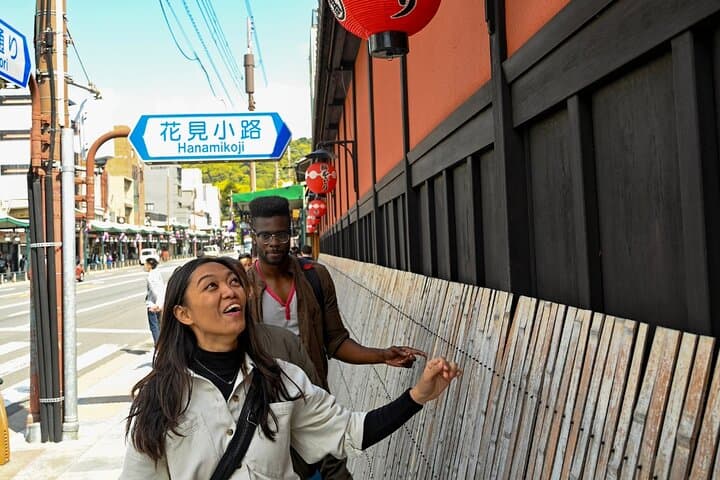
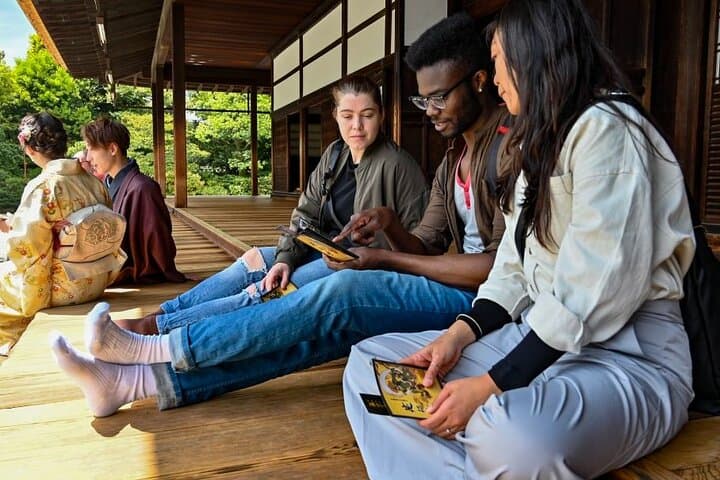
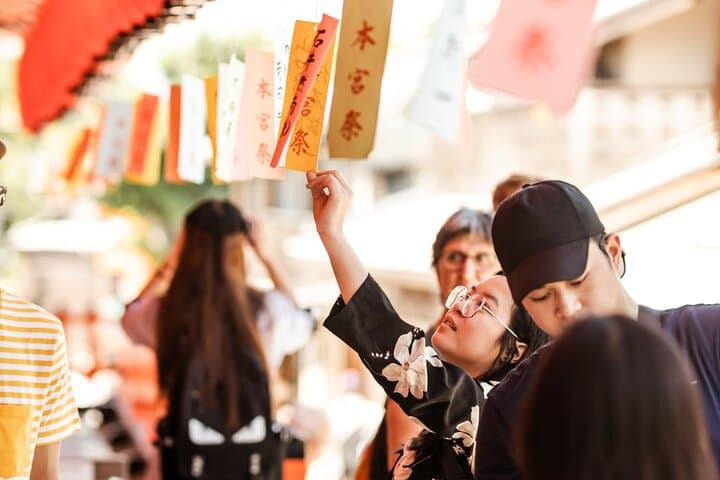
You step off a quiet side street and the city shifts: lantern-lit alleys, the low clack of geta, and the scent of grilled yakitori weaving through wooden storefronts. A local guide meets you with a map folded into familiar creases and a plan shaped by your interests — food, temples, or tucked-away neighborhoods — and the day becomes a walk through Kyoto's lived layers.
You step off a quiet side street and the city shifts: lantern-lit alleys, the low clack of geta, and the scent of grilled yakitori weaving through wooden storefronts. A local guide meets you with a map folded into familiar creases and a plan shaped by your interests — food, temples, or tucked-away neighborhoods — and the day becomes a walk through Kyoto's lived layers.
Kyoto was Japan’s imperial capital for over a millennium, and its streets still reflect that continuity: Heian-era shrines, Edo-period machiya houses, and postwar cafes rubbing shoulders. Geologically, the city sits on a flat basin ringed by forested hills; those hills supply the cedar and cypress used in temple construction and the cool breezes that push through river valleys. Culturally, expect ritual and routine — shrine etiquette, quiet pauses at teahouses, and the seasonal focus of festivals like Gion Matsuri.
This private, personalized walking tour trades rote commentary for curiosity-driven discovery. Your host will guide you past highlight stops — Fushimi Inari’s torii, Kiyomizu-dera views, Gion’s wooden façades — and into narrow lanes like Pontocho or Sannenzaka where artisans and small eateries operate out of centuries-old storefronts.
Practical edge: tours are fully tailored and run 2–5 hours on foot; wear comfortable shoes and plan for public-transport connections if you choose distant temples. Bring cash for shrine offerings and small purchases; many neighborhood vendors remain cash-first. Morning or late afternoon light is best for photos and cooler walking. Respect temple etiquette, follow your guide’s local tips for quieter routes, and expect a flexible, conversational pace that feels less like sightseeing and more like being shown your friend’s favorite city corners.