THE ADVENTURE COLLECTIVE® · Independent discovery and booking for outdoor travel

Walk Kyoto with a local host who tailors a three-hour route to your interests—history, food, or neighborhood life. Expect atmospheric lanes, shrine lore, and practical tips to keep exploring on your own.
Walk Kyoto with a local host who tailors a three-hour route to your interests—history, food, or neighborhood life. Expect atmospheric lanes, shrine lore, and practical tips to keep exploring on your own.
Mornings in Kyoto open like a page from a well-loved guidebook: narrow lanes flushing with steam from ramen shops, paper lanterns still dimmed, and the Kamogawa River daring you to slow your pace as cormorants drift downstream. On a private, three-hour walking tour a local host turns those scenes into a mapped conversation—history, food, and everyday life stitched together at a human pace.
Verified experiences and guided adventures in the surrounding area.
Operated by City Unscripted · Kyoto, Kyoto Prefecture
Mornings in Kyoto open like a page from a well-loved guidebook: narrow lanes flushing with steam from ramen shops, paper lanterns still dimmed, and the Kamogawa River daring you to slow your pace as cormorants drift downstream. On a private, three-hour walking tour a local host turns those scenes into a mapped conversation—history, food, and everyday life stitched together at a human pace.
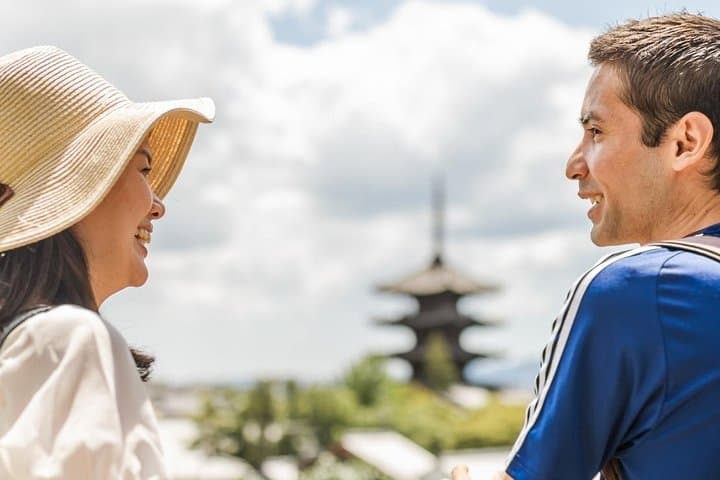
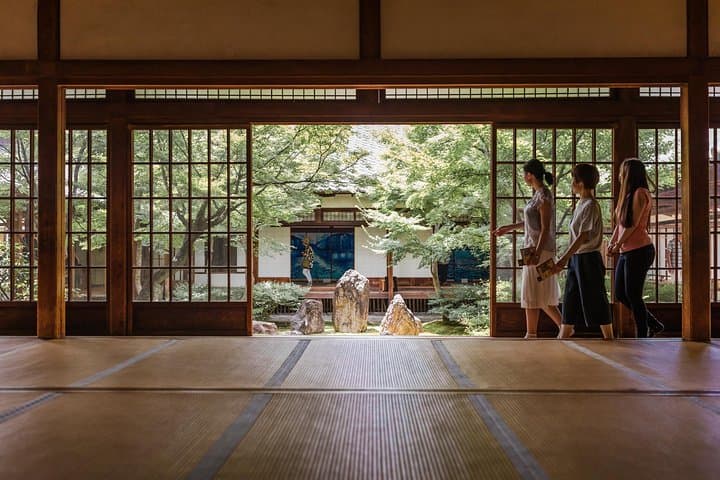
The city itself carries weight: a former imperial capital whose urban fabric preserves wooden machiya, tiled roofs, and Shinto shrines like Fushimi Inari with its endless vermilion torii. Geology shows in the low hills framing the east—hills that shaped pilgrimage routes and the placement of temples. Culture here is specific: tea-house etiquette, the delicate choreography of geiko and maiko in Gion, and market stalls where fermentation and pickling are culinary arts.
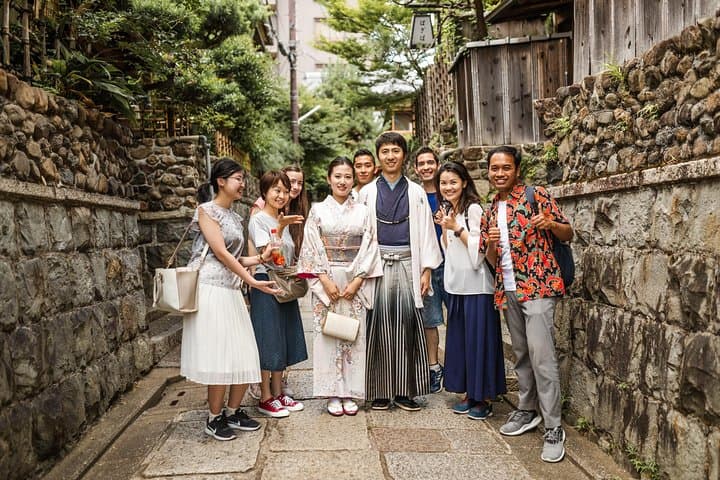
Expect a flexible itinerary: early-morning shrine visits, a riverside walk through Sanjo, narrow alleys of Higashiyama, or a food-focused route sampling yudofu and street snacks. Your guide will adapt pace, point out seasonal blooms or architectural details, and offer transit tips to continue exploring after the tour.
Practical notes: wear supportive shoes for uneven pavement and shrine steps, carry cash for small purchases, and allow time for photography without rushing the group. Aim for early starts to avoid crowds at major sites; late afternoons work well for softer light in Gion. This tour is low-impact but high-context—an efficient primer for anyone wanting to feel confident navigating Kyoto on their own.
easy.
3 hours.
Light fitness—able to stand and walk steadily for three hours with short breaks
No private vehicle is provided; your guide may suggest or use short public-transit hops or taxis when needed and will discuss costs beforehand.
Admissions are not included—your guide will let you know if a stop has a fee so you can decide on the spot.
Yes—route options can accommodate strollers and a relaxed pace for families; mention needs on booking.
Yes—the host sends a questionnaire after booking and tailors the itinerary to your interests.
Kyoto was Japan’s imperial capital for over a millennium; sites like Fushimi Inari reflect both ancient Shinto practice and long-standing pilgrimage routes.
Respect shrines and gardens by staying on paths, avoid feeding wildlife, and favor local businesses to support sustainable tourism.
City Unscripted operates guided outdoor trips and adventures with an emphasis on safety, stewardship, and memorable experiences.
Mornings in Kyoto open like a page from a well-loved guidebook: narrow lanes flushing with steam from ramen shops, paper lanterns still dimmed, and the Kamogawa River daring you to slow your pace as cormorants drift downstream. On a private, three-hour walking tour a local host turns those scenes into a mapped conversation—history, food, and everyday life stitched together at a human pace.
Mornings in Kyoto open like a page from a well-loved guidebook: narrow lanes flushing with steam from ramen shops, paper lanterns still dimmed, and the Kamogawa River daring you to slow your pace as cormorants drift downstream. On a private, three-hour walking tour a local host turns those scenes into a mapped conversation—history, food, and everyday life stitched together at a human pace.
The city itself carries weight: a former imperial capital whose urban fabric preserves wooden machiya, tiled roofs, and Shinto shrines like Fushimi Inari with its endless vermilion torii. Geology shows in the low hills framing the east—hills that shaped pilgrimage routes and the placement of temples. Culture here is specific: tea-house etiquette, the delicate choreography of geiko and maiko in Gion, and market stalls where fermentation and pickling are culinary arts.
Expect a flexible itinerary: early-morning shrine visits, a riverside walk through Sanjo, narrow alleys of Higashiyama, or a food-focused route sampling yudofu and street snacks. Your guide will adapt pace, point out seasonal blooms or architectural details, and offer transit tips to continue exploring after the tour.
Practical notes: wear supportive shoes for uneven pavement and shrine steps, carry cash for small purchases, and allow time for photography without rushing the group. Aim for early starts to avoid crowds at major sites; late afternoons work well for softer light in Gion. This tour is low-impact but high-context—an efficient primer for anyone wanting to feel confident navigating Kyoto on their own.