THE ADVENTURE COLLECTIVE® · Independent discovery and booking for outdoor travel

A private, full-day shore excursion from Osaka or Kobe that delivers Kyoto’s icons and quieter corners in one customizable itinerary. Ideal for travelers who want efficient transport, flexible timing, and a deeper look at temples, markets, and mountain gates.
A private, full-day shore excursion from Osaka or Kobe that delivers Kyoto’s icons and quieter corners in one customizable itinerary. Ideal for travelers who want efficient transport, flexible timing, and a deeper look at temples, markets, and mountain gates.
You step off the ship in Osaka or Kobe with the city’s harbor air behind you and, within an hour, find yourself beneath red torii and temple eaves in Kyoto — a city that measures time in stone, ponds, and prayer. The tour moves at a private pace: a quieter bamboo stand whose stalks lean like watchful columns, the stone gardens of Adashino Nenbutsu-ji where weathered statues crowd the slope, the gilt reflection of Kinkaku-ji shimmering over a still pond, and the bright tunnels of Fushimi Inari that climb the mountain in deliberate, human-made rhythm.
Verified experiences and guided adventures in the surrounding area.
Operated by WAKU WAKU Japan · Kyoto, Kyoto Prefecture
You step off the ship in Osaka or Kobe with the city’s harbor air behind you and, within an hour, find yourself beneath red torii and temple eaves in Kyoto — a city that measures time in stone, ponds, and prayer. The tour moves at a private pace: a quieter bamboo stand whose stalks lean like watchful columns, the stone gardens of Adashino Nenbutsu-ji where weathered statues crowd the slope, the gilt reflection of Kinkaku-ji shimmering over a still pond, and the bright tunnels of Fushimi Inari that climb the mountain in deliberate, human-made rhythm.
Kyoto was Japan’s imperial capital for more than a thousand years, its streets shaped by Heian court aesthetics and later Zen temple landscaping. Geologically the basin sits on folded sedimentary plains fed by streams from the surrounding hills — those slopes frame the city and give sites like Fushimi their stepped ascent. Culturally, expect ritual pauses: shrine offerings, bowing, and careful silence in temple grounds.
Practically, this private shore excursion runs 5–8 hours with door-to-door transport included. Comfortable walking shoes and modest clothing for shrine visits are essential; some sites charge entrance fees while others don’t. Timed right — early morning light at Kinkaku-ji or late-afternoon at Fushimi — you’ll avoid crowds and capture cleaner photos. The private format allows tailoring: linger at Nishiki Market for a lunch of grilled fish and pickles, or trade a long hike up Inari for deeper time among temple stones. Bring water, your passport, and leave plenty of buffer to return to port on schedule — Kyoto rewards slow attention, but ships keep strict timetables.
easy.
5–8 hours.
Suitable for most fitness levels; expect several short walks and standing during visits
Private transportation is included; some attractions (like Kinkaku-ji) require separate entrance fees which the tour notes as included or not on booking details.
Yes — this is a fully customizable private excursion, so you can prioritize temples, markets, or shorter walks depending on time and interests.
Many components are wheelchair accessible and the provider lists wheelchair-friendly transport, but some temple paths and Fushimi Inari’s slopes include steps and uneven surfaces.
Full refund if you cancel at least 24 hours before departure; bad-weather cancellations are allowed per the provider’s terms.
Kyoto served as Japan’s imperial capital from 794 to 1868; many temples reflect rebuilding campaigns from the Muromachi and Edo periods after fires and conflict.
High visitor volume stresses temple paths and mountain trails; stick to marked routes, avoid feeding wildlife, and minimize single-use plastics.
WAKU WAKU Japan operates guided outdoor trips and adventures with an emphasis on safety, stewardship, and memorable experiences.

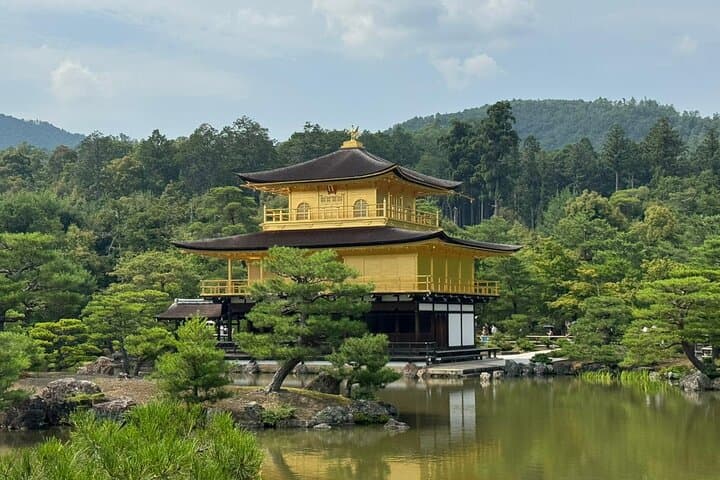

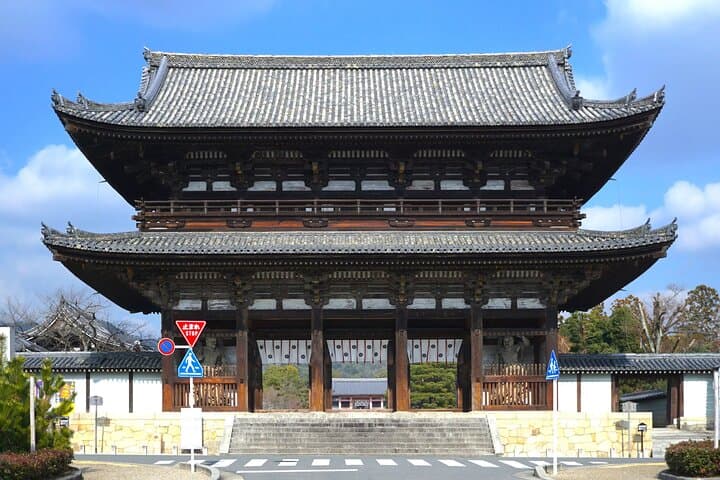
You step off the ship in Osaka or Kobe with the city’s harbor air behind you and, within an hour, find yourself beneath red torii and temple eaves in Kyoto — a city that measures time in stone, ponds, and prayer. The tour moves at a private pace: a quieter bamboo stand whose stalks lean like watchful columns, the stone gardens of Adashino Nenbutsu-ji where weathered statues crowd the slope, the gilt reflection of Kinkaku-ji shimmering over a still pond, and the bright tunnels of Fushimi Inari that climb the mountain in deliberate, human-made rhythm.
You step off the ship in Osaka or Kobe with the city’s harbor air behind you and, within an hour, find yourself beneath red torii and temple eaves in Kyoto — a city that measures time in stone, ponds, and prayer. The tour moves at a private pace: a quieter bamboo stand whose stalks lean like watchful columns, the stone gardens of Adashino Nenbutsu-ji where weathered statues crowd the slope, the gilt reflection of Kinkaku-ji shimmering over a still pond, and the bright tunnels of Fushimi Inari that climb the mountain in deliberate, human-made rhythm.
Kyoto was Japan’s imperial capital for more than a thousand years, its streets shaped by Heian court aesthetics and later Zen temple landscaping. Geologically the basin sits on folded sedimentary plains fed by streams from the surrounding hills — those slopes frame the city and give sites like Fushimi their stepped ascent. Culturally, expect ritual pauses: shrine offerings, bowing, and careful silence in temple grounds.
Practically, this private shore excursion runs 5–8 hours with door-to-door transport included. Comfortable walking shoes and modest clothing for shrine visits are essential; some sites charge entrance fees while others don’t. Timed right — early morning light at Kinkaku-ji or late-afternoon at Fushimi — you’ll avoid crowds and capture cleaner photos. The private format allows tailoring: linger at Nishiki Market for a lunch of grilled fish and pickles, or trade a long hike up Inari for deeper time among temple stones. Bring water, your passport, and leave plenty of buffer to return to port on schedule — Kyoto rewards slow attention, but ships keep strict timetables.