THE ADVENTURE COLLECTIVE® · Independent discovery and booking for outdoor travel

Spend six immersive hours capturing Kyoto’s shrines, Nara’s gentle deer, and Osaka’s electric Dotonbori on a private photography tour that pairs cultural experiences with expert framing. Ideal for travelers who want curated access and practical guidance for memorable images.
Spend six immersive hours capturing Kyoto’s shrines, Nara’s gentle deer, and Osaka’s electric Dotonbori on a private photography tour that pairs cultural experiences with expert framing. Ideal for travelers who want curated access and practical guidance for memorable images.
You start the day slipping beneath a forest of red torii that lean like a chorus urging you onward, camera already warm in your hands. The path through Fushimi Inari funnels light and shadow into frames; later the wide lawns of Nara Park open up, deer moving like patient locals around temple steps. By evening, Dotonbori’s neon pushes a different pulse against the river—street food smoke and signs perfect for decisive shots.
Verified experiences and guided adventures in the surrounding area.
Operated by Japan Experiences · Kyoto, Kyoto Prefecture
You start the day slipping beneath a forest of red torii that lean like a chorus urging you onward, camera already warm in your hands. The path through Fushimi Inari funnels light and shadow into frames; later the wide lawns of Nara Park open up, deer moving like patient locals around temple steps. By evening, Dotonbori’s neon pushes a different pulse against the river—street food smoke and signs perfect for decisive shots.
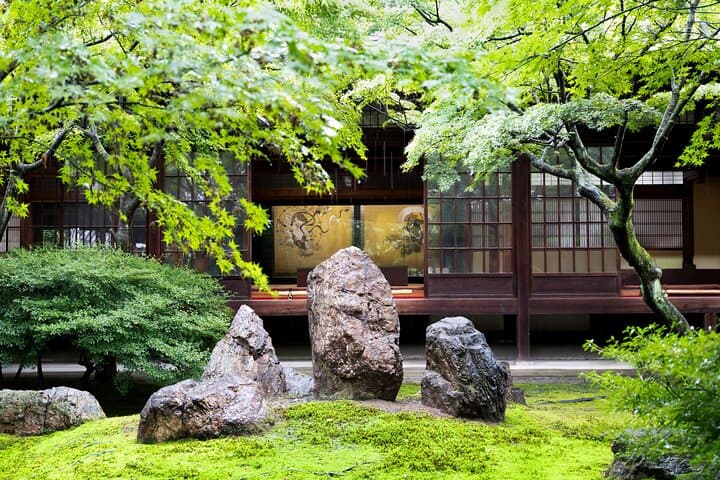
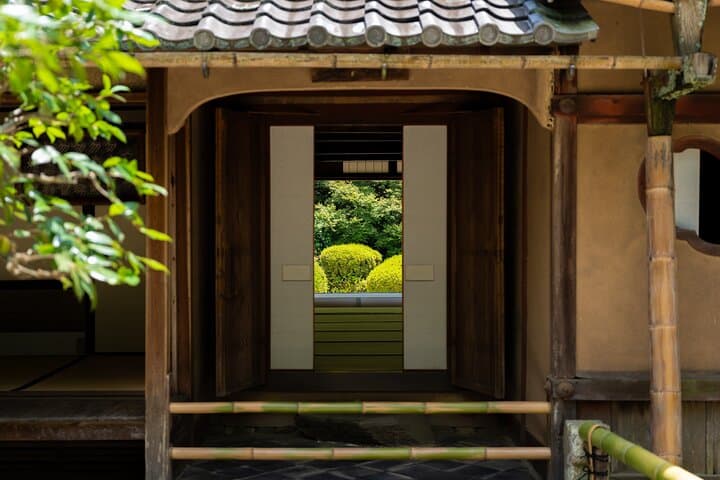
This loop moves through centuries: Kyoto’s wooden temples and zen gardens reflect Hundred-Year crafts and imperial-era planning; Nara was Japan’s first permanent capital, where tame deer are historically treated as divine messengers; Osaka evolved as a merchant city whose rivers and bridges shaped its culinary culture. Geology is subtle but present—volcanic plains and river valleys created the flat corridors that allowed these cities to grow and trade.
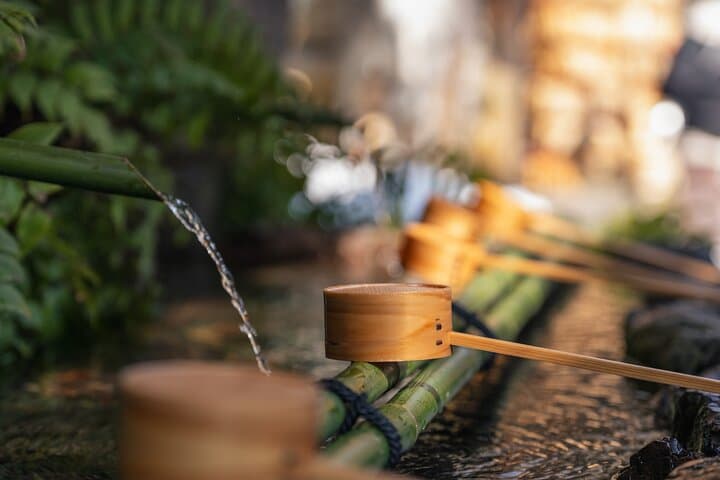
Expect a day built for imagery and cultural depth: private transport cuts transfer time, a photographer helps with composition, and curated experiences—zen meditation, kintsugi, tea ceremony—add context to your frames. Guides will coach respectful etiquette at shrines and show quieter angles away from main crowds.
Practical notes: this is an active six-hour day—comfortable walking shoes and layered clothing matter. Bring extra batteries and a small amount of cash for shrine offerings and food stalls. Plan to start early to use softer light at temples and to avoid peak crowds. If you want specific shutter-speed advice for night scenes by the Dotonbori canal, ask your photographer-guide during booking.
moderate.
6 hours.
Moderate fitness: expect several hours on foot with short walks between sites; suitable for most travelers who can stand and walk for multiple short periods.
The tour description indicates admission to listed sites is included, but check the booking details or ask the operator for confirmation of specific temple fees.
Yes, private luxury transport is included to minimize transfer time between Kyoto, Nara, and Osaka during the six-hour tour.
Meals are not listed as included—expect time for snacks or street food in Dotonbori and bring cash for food purchases.
Infants and small children can join; stroller access and infant seats are noted, but the tour involves walking and active participation, so assess comfort for young children.
Nara served as Japan’s capital in the 8th century and many of its temples predate later Kyoto institutions; Kyoto itself developed as an imperial and cultural center with temple complexes preserved through centuries of craft.
Visitors are asked to respect wildlife feeding rules in Nara and to use designated paths and waste disposal; limiting single-use plastics and staying on trails helps protect cultural sites and parkland.
Japan Experiences operates guided outdoor trips and adventures with an emphasis on safety, stewardship, and memorable experiences.
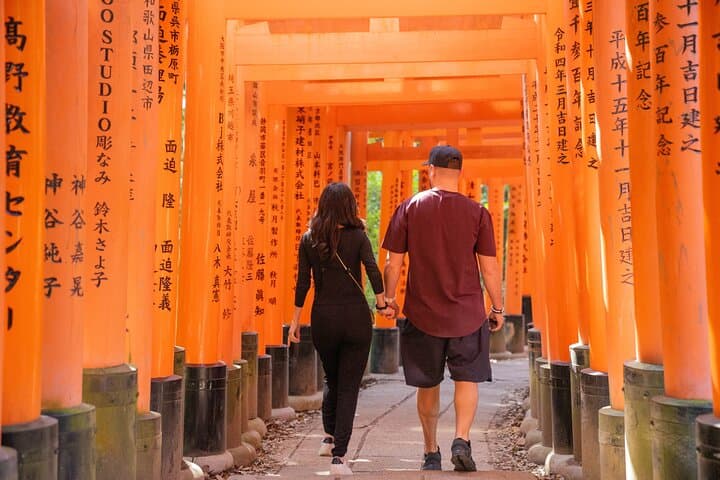
You start the day slipping beneath a forest of red torii that lean like a chorus urging you onward, camera already warm in your hands. The path through Fushimi Inari funnels light and shadow into frames; later the wide lawns of Nara Park open up, deer moving like patient locals around temple steps. By evening, Dotonbori’s neon pushes a different pulse against the river—street food smoke and signs perfect for decisive shots.
You start the day slipping beneath a forest of red torii that lean like a chorus urging you onward, camera already warm in your hands. The path through Fushimi Inari funnels light and shadow into frames; later the wide lawns of Nara Park open up, deer moving like patient locals around temple steps. By evening, Dotonbori’s neon pushes a different pulse against the river—street food smoke and signs perfect for decisive shots.
This loop moves through centuries: Kyoto’s wooden temples and zen gardens reflect Hundred-Year crafts and imperial-era planning; Nara was Japan’s first permanent capital, where tame deer are historically treated as divine messengers; Osaka evolved as a merchant city whose rivers and bridges shaped its culinary culture. Geology is subtle but present—volcanic plains and river valleys created the flat corridors that allowed these cities to grow and trade.
Expect a day built for imagery and cultural depth: private transport cuts transfer time, a photographer helps with composition, and curated experiences—zen meditation, kintsugi, tea ceremony—add context to your frames. Guides will coach respectful etiquette at shrines and show quieter angles away from main crowds.
Practical notes: this is an active six-hour day—comfortable walking shoes and layered clothing matter. Bring extra batteries and a small amount of cash for shrine offerings and food stalls. Plan to start early to use softer light at temples and to avoid peak crowds. If you want specific shutter-speed advice for night scenes by the Dotonbori canal, ask your photographer-guide during booking.