THE ADVENTURE COLLECTIVE® · Independent discovery and booking for outdoor travel

Spend a flexible day exploring Kyoto’s top cultural sites by private car. This customizable English-guided tour covers Kinkaku‑ji, Arashiyama, Nishiki Market, Nijo Castle, Kiyomizu‑dera and Fushimi Inari with hotel pickup and paced stops.
Spend a flexible day exploring Kyoto’s top cultural sites by private car. This customizable English-guided tour covers Kinkaku‑ji, Arashiyama, Nishiki Market, Nijo Castle, Kiyomizu‑dera and Fushimi Inari with hotel pickup and paced stops.
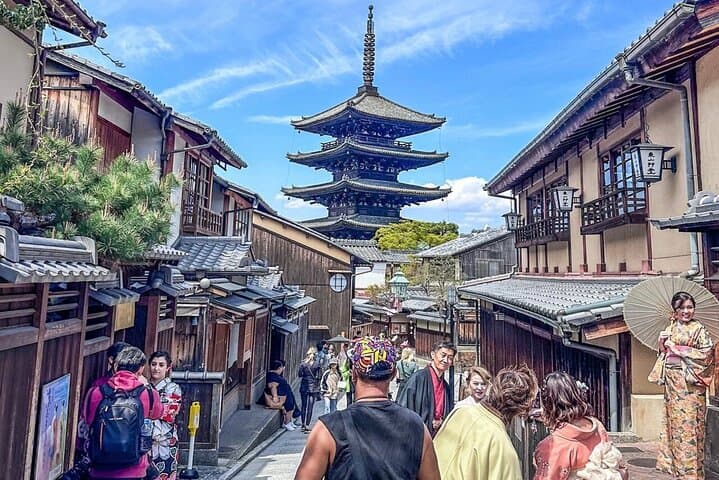
Morning light slips through paper screens as your private car eases away from a Kyoto hotel, the city unfolding in ordered temples, mossy gardens and red torii lining shrines.
Verified experiences and guided adventures in the surrounding area.
Operated by Toddyland Travel and tourism · Kyoto, Kyoto Prefecture
Morning light slips through paper screens as your private car eases away from a Kyoto hotel, the city unfolding in ordered temples, mossy gardens and red torii lining shrines.
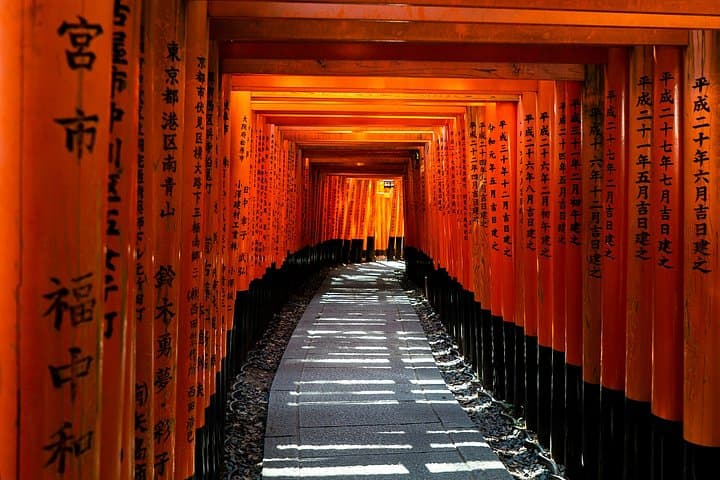
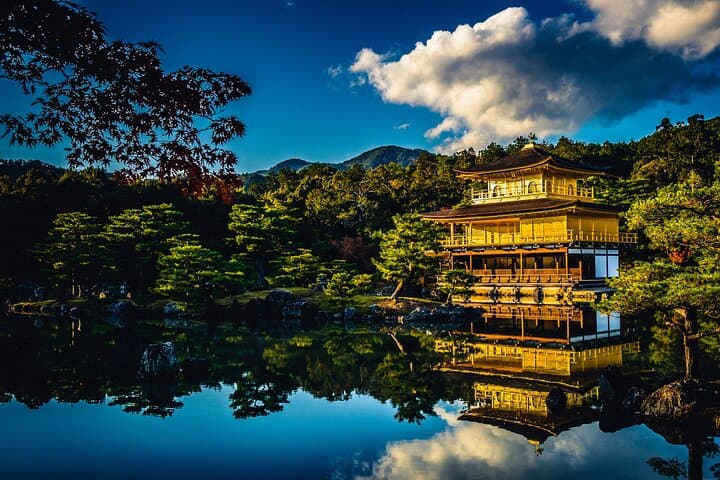
This full-day private tour threads Kinkaku‑ji’s gilded façade, the bamboo aisles of Arashiyama and Tenryu‑ji, the lively stalls of Nishiki Market, the defensive walls and gardens of Nijo Castle, the wooden stage views of Kiyomizu‑dera and the torii-clad ascent at Fushimi Inari. Each stop is paired with short walks—expect 0.5–2 km of on-foot exploration at most sites—and the car bridges distances so you conserve energy for sights rather than transfers.
Kyoto’s streets reflect a city that served as Japan’s imperial capital for over a millennium; its temples record shifts in Zen, Shinto and courtly life. The basin’s geology—river terraces carved from volcanic and fluvial deposits—gives the city its low-elevation valleys and riverside temples. Local culture is deliberate: remove shoes, speak softly, and carry cash for shrine offerings and stalls.
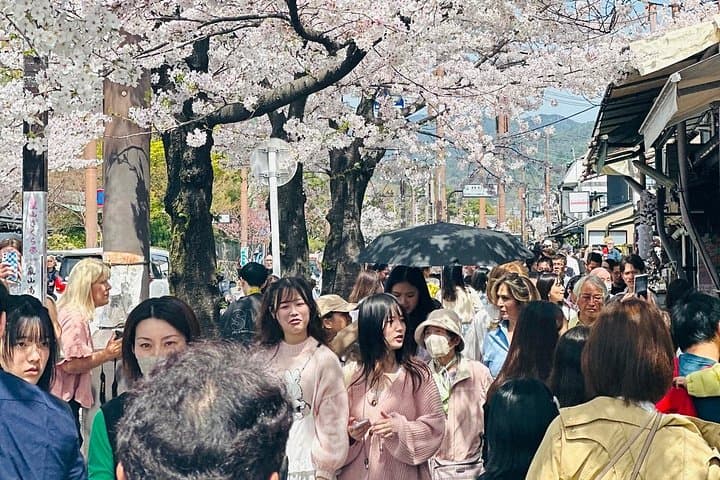
Practical notes: the itinerary runs about 8–9 hours with flexible stop lengths. Bring supportive footwear for uneven temple paths and some short stair climbs, a light rain shell, and a small daypack. Cash is useful at markets; tickets for some sites (¥500–¥1,000) are payable on arrival. Plan midday near Nishiki Market for varied lunch options and start early to avoid crowds at Fushimi Inari and Kiyomizu‑dera.
The private format suits families and travelers seeking measured pacing and accessible transport between Kyoto’s compact but layered cultural landmarks.
easy.
8–9 hours.
Low — suitable for travelers who can walk short distances (0.5–2 km) and climb some stairs; vehicle transport minimizes sustained exertion.
Yes — the tour includes hotel pickup within Kyoto; confirm your pickup point at booking.
Admission fees for temples and attractions are generally not included; expect onsite tickets ranging from ¥500–¥1,000 for specific sites.
Vehicles are accessible and infant seats are available, but some temple areas have stairs and uneven terrain—check specific site accessibility in advance.
Yes — the private format allows flexible stop lengths and site choices within the booked duration; final adjustments depend on traffic and opening hours.
Kyoto was Japan’s imperial capital from 794 to 1868; many temples and castles reflect centuries of courtly, religious and samurai influence.
High visitor numbers impact fragile moss gardens and narrow streets—stay on paths, avoid touching artifacts, and support local businesses to keep sites sustainable.
Toddyland Travel and tourism operates guided outdoor trips and adventures with an emphasis on safety, stewardship, and memorable experiences.
Morning light slips through paper screens as your private car eases away from a Kyoto hotel, the city unfolding in ordered temples, mossy gardens and red torii lining shrines.
Morning light slips through paper screens as your private car eases away from a Kyoto hotel, the city unfolding in ordered temples, mossy gardens and red torii lining shrines.
This full-day private tour threads Kinkaku‑ji’s gilded façade, the bamboo aisles of Arashiyama and Tenryu‑ji, the lively stalls of Nishiki Market, the defensive walls and gardens of Nijo Castle, the wooden stage views of Kiyomizu‑dera and the torii-clad ascent at Fushimi Inari. Each stop is paired with short walks—expect 0.5–2 km of on-foot exploration at most sites—and the car bridges distances so you conserve energy for sights rather than transfers.
Kyoto’s streets reflect a city that served as Japan’s imperial capital for over a millennium; its temples record shifts in Zen, Shinto and courtly life. The basin’s geology—river terraces carved from volcanic and fluvial deposits—gives the city its low-elevation valleys and riverside temples. Local culture is deliberate: remove shoes, speak softly, and carry cash for shrine offerings and stalls.
Practical notes: the itinerary runs about 8–9 hours with flexible stop lengths. Bring supportive footwear for uneven temple paths and some short stair climbs, a light rain shell, and a small daypack. Cash is useful at markets; tickets for some sites (¥500–¥1,000) are payable on arrival. Plan midday near Nishiki Market for varied lunch options and start early to avoid crowds at Fushimi Inari and Kiyomizu‑dera.
The private format suits families and travelers seeking measured pacing and accessible transport between Kyoto’s compact but layered cultural landmarks.