THE ADVENTURE COLLECTIVE® · Independent discovery and booking for outdoor travel

A focused two-hour private walk through Kutná Hora highlights St. Barbara Cathedral, the Italian Court and the Czech Museum of Silver. Ideal for travelers who want in-depth history without the crowds.
A focused two-hour private walk through Kutná Hora highlights St. Barbara Cathedral, the Italian Court and the Czech Museum of Silver. Ideal for travelers who want in-depth history without the crowds.
Cobblestones click underfoot as your private guide leads the group from the Italian Court toward a skyline ruled by flying buttresses and spires. The air carries a mix of river chill and centuries of industry—miners and mint-masters once shaped this place—and the first view of St. Barbara Cathedral arrives like a sudden, deliberate gesture against the sky.
Verified experiences and guided adventures in the surrounding area.
Operated by Opatrip.com Czech · Kutná Hora, Central Bohemian Region
Cobblestones click underfoot as your private guide leads the group from the Italian Court toward a skyline ruled by flying buttresses and spires. The air carries a mix of river chill and centuries of industry—miners and mint-masters once shaped this place—and the first view of St. Barbara Cathedral arrives like a sudden, deliberate gesture against the sky.
Kutná Hora rose on silver veins in the 13th–15th centuries; its wealth funded royal mints and Gothic churches. The town’s geology is literal: veins of silver beneath the fields made it an economic engine of medieval Bohemia. Cultural layers show in the Italian Court (a royal mint and administrative hub), the intimate woodwork of St. James, and the Czech Museum of Silver's exhibits on mining techniques and coinage.
This private, easy-paced two-hour walk trades crowds for context—the guide weaves archival stories with visible details: choir benches, Baroque organs, and the pillared sweep of St. Barbara.
Practical guidance: wear supportive walking shoes—the route is cobbled and uneven. Schedule the tour in the morning or late afternoon to avoid peak coach arrivals and bring a light rain layer; weather changes quickly here. Cameras are welcome but be respectful inside religious sites; many interiors limit flash or large bags. Public transit connects Kutná Hora with Prague if you’re basing yourself in the capital.
The pace suits most travelers, but mobility considerations matter—narrow medieval lanes and steps are common. Expect thoughtful storytelling, architectural close-ups, and a clear sense of how geology and finance carved a small town into a European landmark.
easy.
2 hours.
Suitable for most fitness levels; involves standing and walking on uneven cobbles and short stair sections.
The private tour runs approximately two hours and covers major landmarks within Kutná Hora's historic center.
Admissions to museums or churches are generally not included; check with the operator for any entrance fees or combined tickets.
Yes—it's an easy-paced walk, though there are cobbled streets and some staircases; mobility limitations should be discussed when booking.
Regular regional trains and buses run from Prague to Kutná Hora; travel time is about 60–90 minutes depending on service.
Kutná Hora’s 13th–15th century silver mines made it a medieval economic center and home to the royal mint, shaping Bohemia’s wealth and architecture.
The historic center is UNESCO-protected; visitors should stay on marked paths, avoid touching delicate stonework, and follow site rules to limit wear and disturbance.
Opatrip.com Czech operates guided outdoor trips and adventures with an emphasis on safety, stewardship, and memorable experiences.


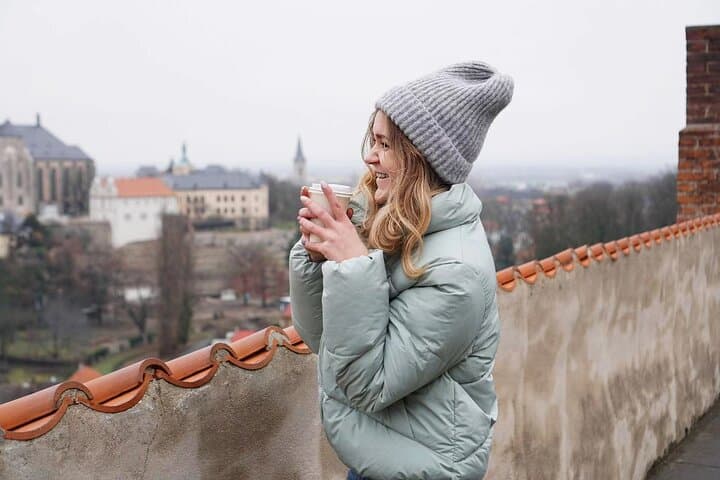
Cobblestones click underfoot as your private guide leads the group from the Italian Court toward a skyline ruled by flying buttresses and spires. The air carries a mix of river chill and centuries of industry—miners and mint-masters once shaped this place—and the first view of St. Barbara Cathedral arrives like a sudden, deliberate gesture against the sky.
Cobblestones click underfoot as your private guide leads the group from the Italian Court toward a skyline ruled by flying buttresses and spires. The air carries a mix of river chill and centuries of industry—miners and mint-masters once shaped this place—and the first view of St. Barbara Cathedral arrives like a sudden, deliberate gesture against the sky.
Kutná Hora rose on silver veins in the 13th–15th centuries; its wealth funded royal mints and Gothic churches. The town’s geology is literal: veins of silver beneath the fields made it an economic engine of medieval Bohemia. Cultural layers show in the Italian Court (a royal mint and administrative hub), the intimate woodwork of St. James, and the Czech Museum of Silver's exhibits on mining techniques and coinage.
This private, easy-paced two-hour walk trades crowds for context—the guide weaves archival stories with visible details: choir benches, Baroque organs, and the pillared sweep of St. Barbara.
Practical guidance: wear supportive walking shoes—the route is cobbled and uneven. Schedule the tour in the morning or late afternoon to avoid peak coach arrivals and bring a light rain layer; weather changes quickly here. Cameras are welcome but be respectful inside religious sites; many interiors limit flash or large bags. Public transit connects Kutná Hora with Prague if you’re basing yourself in the capital.
The pace suits most travelers, but mobility considerations matter—narrow medieval lanes and steps are common. Expect thoughtful storytelling, architectural close-ups, and a clear sense of how geology and finance carved a small town into a European landmark.