THE ADVENTURE COLLECTIVE® · Independent discovery and booking for outdoor travel

Walk over travertine bridges at Skradinski buk, taste boutique wines in a family cellar, and learn centuries of river, Roman, and hydro history on a private day trip from Šibenik.
Walk over travertine bridges at Skradinski buk, taste boutique wines in a family cellar, and learn centuries of river, Roman, and hydro history on a private day trip from Šibenik.
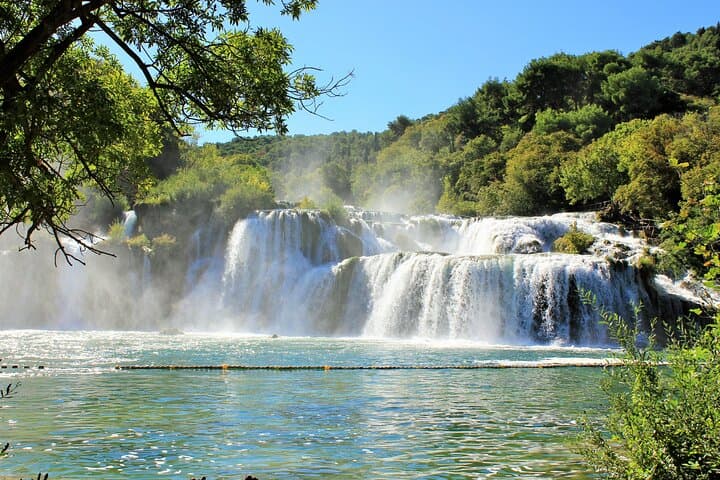
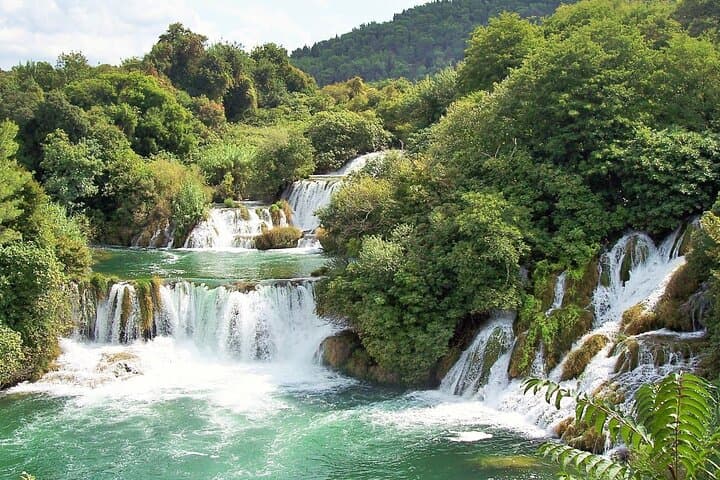
You step out of the air-conditioned vehicle and the river greets you: a string of terraces, clear pools, and the spray of Skradinski buk daring you to look closer. Boardwalks curve over travertine dams that the river has been building for millennia, while stone mills and old wooden mechanisms remind you this water has powered human life here since Roman roads ran nearby.
Verified experiences and guided adventures in the surrounding area.
Operated by Sibenik Tour · Šibenik, Šibenik-Knin County
You step out of the air-conditioned vehicle and the river greets you: a string of terraces, clear pools, and the spray of Skradinski buk daring you to look closer. Boardwalks curve over travertine dams that the river has been building for millennia, while stone mills and old wooden mechanisms remind you this water has powered human life here since Roman roads ran nearby.
Krka’s geology is pure karst — limestone dissolved and rebuilt into cascading barriers of calcareous sinter. The park’s human story runs from Neolithic settlements through Roman trade routes and medieval noble houses to the early hydroelectric station that marked Croatia’s industrial turn. Skradin, the gateway town, keeps a small‑town Mediterranean rhythm: narrow streets, local markets, and a fishing culture shaped by the river meeting the sea.
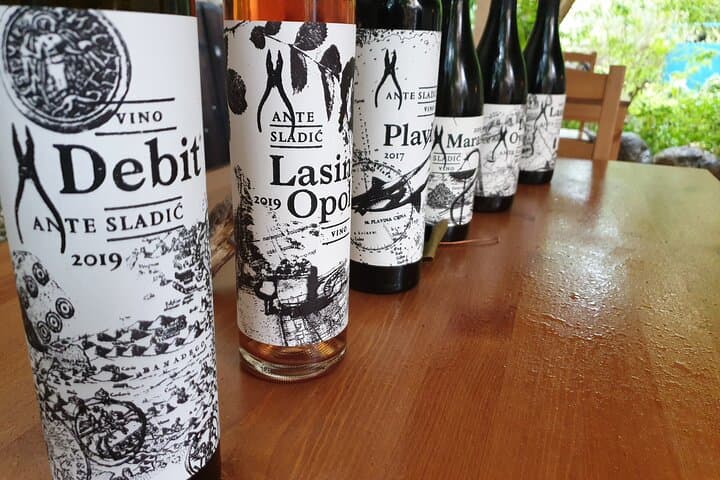
Practical guidance follows the scenery. Expect a 6–7 hour private outing from Šibenik with leisurely walks on stable boardwalks, short stair sections, and a two-hour main stop at Skradinski buk. Bring swimwear if you want to cool off at permitted spots, and plan for a family-run winery visit in the hinterland where five wines and local pairings are sampled in a shaded courtyard. The tour is suitable for most fitness levels, child‑friendly, and runs year‑round though water levels and crowds vary by season.
Timing and logistics matter: start early to avoid midday crowds, keep valuables dry, and conserve battery life for photos — every bend offers a new curtain of water and a quiet bench to take it in.
easy.
6–7 hours.
Suitable for most fitness levels; able to walk 1–3 miles on flat and slightly uneven boardwalks and steps.
Yes — swimming is allowed in designated areas (seasonal and subject to park rules); follow park signage and guide instructions.
Yes — the tour is rated easy and uses boardwalks and gentle paths; notify the operator of mobility needs for tailored assistance.
Park admission is typically not included; the itinerary notes which stops include admission — confirm at booking for the specific package.
Yes — the tour lists pickup options including hotel and cruise port transfers; provide arrival details when booking.
The Krka valley preserves Roman roads and was the site of one of Croatia’s earliest hydroelectric projects, reflecting a long interplay of nature and human industry.
Krka National Park enforces protected zones and seasonal swimming rules — stay on boardwalks, pack out trash, and follow local guidance to minimize impact.
Sibenik Tour operates guided outdoor trips and adventures with an emphasis on safety, stewardship, and memorable experiences.

You step out of the air-conditioned vehicle and the river greets you: a string of terraces, clear pools, and the spray of Skradinski buk daring you to look closer. Boardwalks curve over travertine dams that the river has been building for millennia, while stone mills and old wooden mechanisms remind you this water has powered human life here since Roman roads ran nearby.
You step out of the air-conditioned vehicle and the river greets you: a string of terraces, clear pools, and the spray of Skradinski buk daring you to look closer. Boardwalks curve over travertine dams that the river has been building for millennia, while stone mills and old wooden mechanisms remind you this water has powered human life here since Roman roads ran nearby.
Krka’s geology is pure karst — limestone dissolved and rebuilt into cascading barriers of calcareous sinter. The park’s human story runs from Neolithic settlements through Roman trade routes and medieval noble houses to the early hydroelectric station that marked Croatia’s industrial turn. Skradin, the gateway town, keeps a small‑town Mediterranean rhythm: narrow streets, local markets, and a fishing culture shaped by the river meeting the sea.
Practical guidance follows the scenery. Expect a 6–7 hour private outing from Šibenik with leisurely walks on stable boardwalks, short stair sections, and a two-hour main stop at Skradinski buk. Bring swimwear if you want to cool off at permitted spots, and plan for a family-run winery visit in the hinterland where five wines and local pairings are sampled in a shaded courtyard. The tour is suitable for most fitness levels, child‑friendly, and runs year‑round though water levels and crowds vary by season.
Timing and logistics matter: start early to avoid midday crowds, keep valuables dry, and conserve battery life for photos — every bend offers a new curtain of water and a quiet bench to take it in.