THE ADVENTURE COLLECTIVE® · Independent discovery and booking for outdoor travel

A focused, one-hour private introduction to Kotor Old Town: Sea Gate, Clock Tower, St. Tryphon and hidden alleys explained by a local guide. Ideal if you have limited time but want historical context and route recommendations.
A focused, one-hour private introduction to Kotor Old Town: Sea Gate, Clock Tower, St. Tryphon and hidden alleys explained by a local guide. Ideal if you have limited time but want historical context and route recommendations.
You meet your guide at the Sea Gate and the old stone beneath your feet already tells a story: cobbles smoothed by centuries, church bells marking time, and the bay pressing close like a promise. In an hour the city opens in panels — a clock tower, narrow alleys, palace facades — each stop a compact chapter of Kotor’s coastal past.
Verified experiences and guided adventures in the surrounding area.
Operated by Montenegro Adventures DMC · Kotor, Kotor Municipality
You meet your guide at the Sea Gate and the old stone beneath your feet already tells a story: cobbles smoothed by centuries, church bells marking time, and the bay pressing close like a promise. In an hour the city opens in panels — a clock tower, narrow alleys, palace facades — each stop a compact chapter of Kotor’s coastal past.
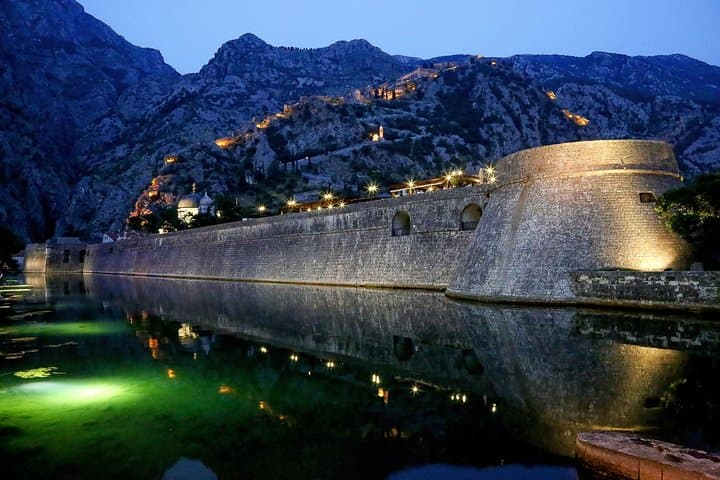
Kotor’s Old Town is a UNESCO World Heritage site shaped by Venetian rule, Ottoman pressure and local maritime wealth. The surrounding limestone walls climb abruptly from sea level to the ridge above; geology here is karst—dramatic cliffs and steep drainages that funnel weather and views into the bay.
Culture arrives in details: stone merchants’ houses, tiny churches of differing rites, and the city’s naval history displayed in small museums and squares. Local life still orbits these lanes — family-run konobas, bakers, and the occasional fisherman bringing the day’s catch to market.
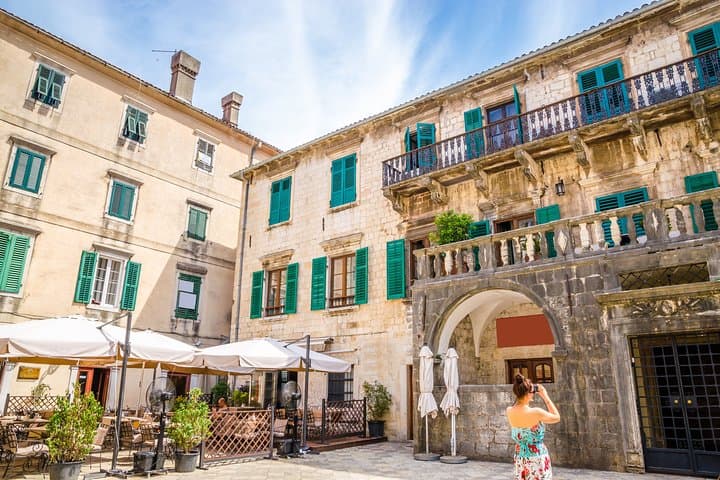
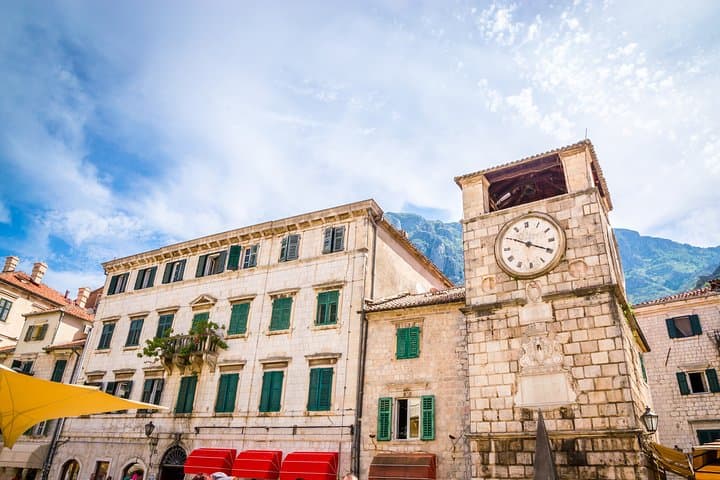
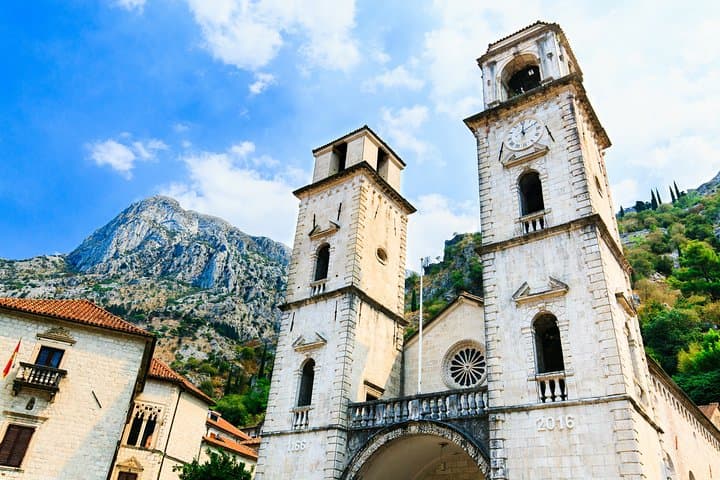
For visitors, the one-hour private tour is practical and dense: Sea Gate, Square of Arms, Pima Palace exterior, St. Tryphon’s façade, and Bokelian Navy Square. Add-ons—entry to St. Tryphon, the Naval Museum, or a guided climb of the city walls—stretch the experience.
Practical guidance: wear sturdy shoes for cobbles, go early to avoid tour groups and midday heat, and budget extra time if you plan the fortress climb (steep stone steps). Bring water, a light layer against coastal winds, and a camera for the bay’s angled light. The pace is gentle but focused—this is an efficient primer that lets you continue exploring on your own with context and direction.
easy.
55–60 minutes.
Suitable for most fitness levels; ability to walk on uneven cobbles for an hour is required
The meeting point is the Sea Gate (Morska vrata) of Kotor Old Town; the tour loops through key squares and returns to the Square of Arms.
Yes, the tour is family-friendly and stroller-accessible, though cobblestones can make wheeled movement bumpy.
Yes—there are add-ons for cathedral entry, the Naval Museum and a guided climb of the city walls; request these when booking.
Expect about an hour of light walking with short stops at monuments; the pace is relaxed but involves some standing during explanations.
Kotor grew as a maritime hub under Venetian rule; its fortified layout and Gothic-Baroque churches reflect centuries of seafaring wealth and strategic importance.
The Old Town’s stonework and narrow streets are vulnerable to overtourism—stick to established routes, support local businesses, and avoid leaving litter to help preserve the fabric of the town.
Montenegro Adventures DMC operates guided outdoor trips and adventures with an emphasis on safety, stewardship, and memorable experiences.
You meet your guide at the Sea Gate and the old stone beneath your feet already tells a story: cobbles smoothed by centuries, church bells marking time, and the bay pressing close like a promise. In an hour the city opens in panels — a clock tower, narrow alleys, palace facades — each stop a compact chapter of Kotor’s coastal past.
You meet your guide at the Sea Gate and the old stone beneath your feet already tells a story: cobbles smoothed by centuries, church bells marking time, and the bay pressing close like a promise. In an hour the city opens in panels — a clock tower, narrow alleys, palace facades — each stop a compact chapter of Kotor’s coastal past.
Kotor’s Old Town is a UNESCO World Heritage site shaped by Venetian rule, Ottoman pressure and local maritime wealth. The surrounding limestone walls climb abruptly from sea level to the ridge above; geology here is karst—dramatic cliffs and steep drainages that funnel weather and views into the bay.
Culture arrives in details: stone merchants’ houses, tiny churches of differing rites, and the city’s naval history displayed in small museums and squares. Local life still orbits these lanes — family-run konobas, bakers, and the occasional fisherman bringing the day’s catch to market.
For visitors, the one-hour private tour is practical and dense: Sea Gate, Square of Arms, Pima Palace exterior, St. Tryphon’s façade, and Bokelian Navy Square. Add-ons—entry to St. Tryphon, the Naval Museum, or a guided climb of the city walls—stretch the experience.
Practical guidance: wear sturdy shoes for cobbles, go early to avoid tour groups and midday heat, and budget extra time if you plan the fortress climb (steep stone steps). Bring water, a light layer against coastal winds, and a camera for the bay’s angled light. The pace is gentle but focused—this is an efficient primer that lets you continue exploring on your own with context and direction.