THE ADVENTURE COLLECTIVE® · Independent discovery and booking for outdoor travel

A private, full‑day drive from Tirana that pairs Prishtina’s modern monuments with Prizren’s Ottoman lanes. Expect guided walks, a fortress climb, border paperwork, and a compact survey of Kosovo’s layered history.
A private, full‑day drive from Tirana that pairs Prishtina’s modern monuments with Prizren’s Ottoman lanes. Expect guided walks, a fortress climb, border paperwork, and a compact survey of Kosovo’s layered history.
You step into the van in Tirana at first light and the road north carries you through quilted farmland toward Kosovo; wind teases the long grass and the White Drin seems to dare you from a distance as the border checkpoint draws near.
Verified experiences and guided adventures in the surrounding area.
Operated by Visitious Tours · Tirana, Tirana County
You step into the van in Tirana at first light and the road north carries you through quilted farmland toward Kosovo; wind teases the long grass and the White Drin seems to dare you from a distance as the border checkpoint draws near.
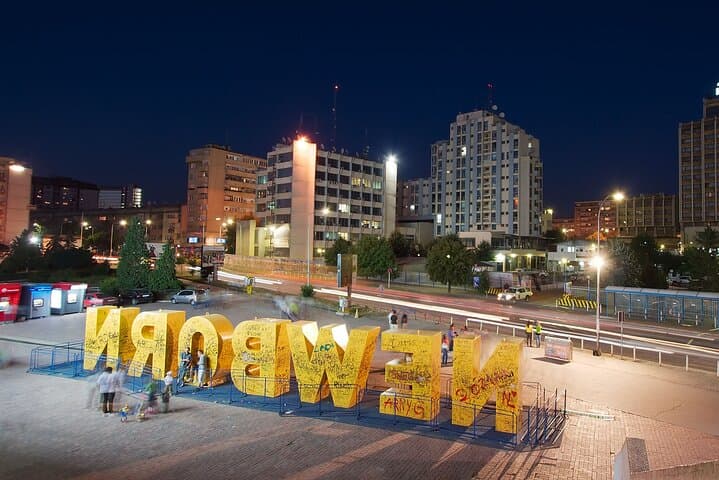
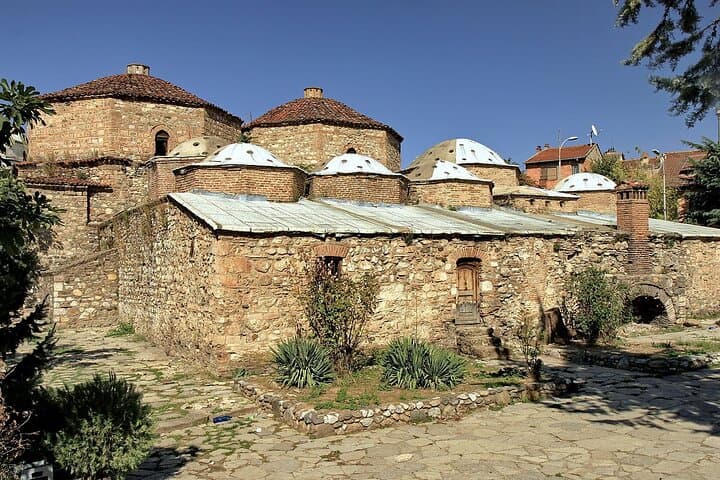
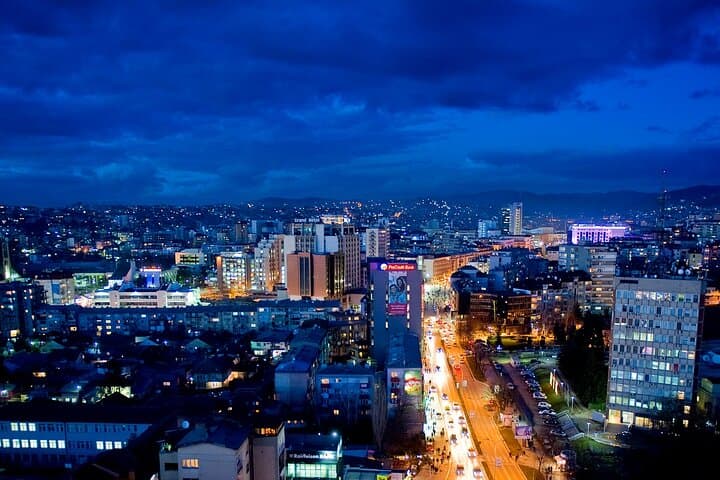
This one-day private tour stitches two different chapters of Kosovo’s story into a single route. Prishtina is a city of bold post‑war monuments and wide boulevards—Mother Teresa Cathedral’s tower gives a clean, geometric counterpoint to the brutalist Youth & Sports Center—while Prizren feels older, its Ottoman mosques and riverside stone houses folded into steep streets that end at Kalaja (Prizren Fortress). Geologically you move from rolling Albanian coastal plains into the limestone foothills of the Dinaric Alps; culturally you cross linguistic and historical layers—Illyrian roots, Ottoman architecture, and 20th‑century Yugoslav heritage.
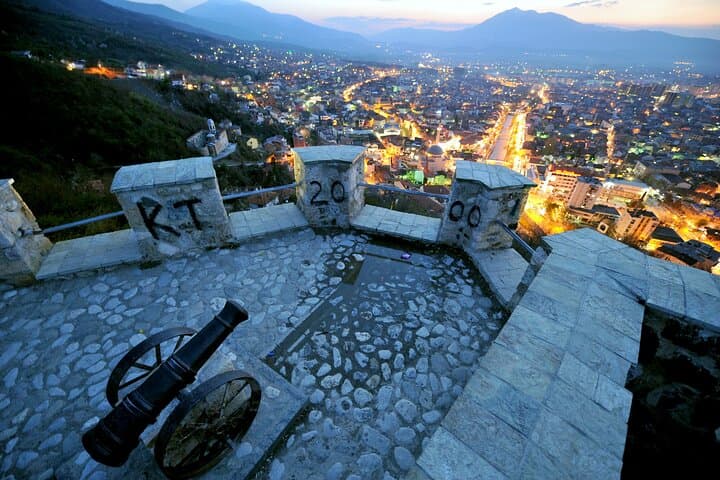
Expect guided walking sections in both cities, short stops at Skanderbeg’s statue and Bill Clinton Boulevard, a look inside Sinan Pasha Mosque, and a climb up to the fortress for a city overview. The route includes border formalities—keep passports ready—and about 8–10 hours in the field with moderate walking on cobbles and paved streets, plus a few steeper stairways in Prizren.
Practical edge: wear sturdy shoes for uneven stone streets, bring water and sunscreen, and carry euros for small vendors (Kosovo widely uses the euro). Plan for variable weather and a day that balances history, architecture, and tangible local life—efficient, grounded, and richly human.
moderate.
8–10 hours.
Suitable for travelers with reasonable mobility who can handle several hours of walking on uneven urban terrain and a short steep climb to the fortress.
Yes. You cross the international border into Kosovo; all travelers must carry valid passports and any required visas.
Moderate walking is included—guided urban walks in Prishtina and Prizren with uneven cobbles and a climb up to Prizren Fortress.
Bring euros for small purchases and tips in Kosovo; Albania uses lek, so plan accordingly if you’ll buy things on both sides.
Yes—there are restroom and café stops in both cities; guides typically allow time for lunch and short breaks.
Prizren grew as an Ottoman administrative center and retains several 17th‑century monuments; Prishtina’s modern skyline reflects rapid post‑1999 urban change and nation‑building symbols.
Tour operators encourage staying on marked streets, avoiding litter at historic sites, and supporting small local businesses to keep economic benefits in the community.
Visitious Tours operates guided outdoor trips and adventures with an emphasis on safety, stewardship, and memorable experiences.
You step into the van in Tirana at first light and the road north carries you through quilted farmland toward Kosovo; wind teases the long grass and the White Drin seems to dare you from a distance as the border checkpoint draws near.
You step into the van in Tirana at first light and the road north carries you through quilted farmland toward Kosovo; wind teases the long grass and the White Drin seems to dare you from a distance as the border checkpoint draws near.
This one-day private tour stitches two different chapters of Kosovo’s story into a single route. Prishtina is a city of bold post‑war monuments and wide boulevards—Mother Teresa Cathedral’s tower gives a clean, geometric counterpoint to the brutalist Youth & Sports Center—while Prizren feels older, its Ottoman mosques and riverside stone houses folded into steep streets that end at Kalaja (Prizren Fortress). Geologically you move from rolling Albanian coastal plains into the limestone foothills of the Dinaric Alps; culturally you cross linguistic and historical layers—Illyrian roots, Ottoman architecture, and 20th‑century Yugoslav heritage.
Expect guided walking sections in both cities, short stops at Skanderbeg’s statue and Bill Clinton Boulevard, a look inside Sinan Pasha Mosque, and a climb up to the fortress for a city overview. The route includes border formalities—keep passports ready—and about 8–10 hours in the field with moderate walking on cobbles and paved streets, plus a few steeper stairways in Prizren.
Practical edge: wear sturdy shoes for uneven stone streets, bring water and sunscreen, and carry euros for small vendors (Kosovo widely uses the euro). Plan for variable weather and a day that balances history, architecture, and tangible local life—efficient, grounded, and richly human.