THE ADVENTURE COLLECTIVE® · Independent discovery and booking for outdoor travel

Glide through Kompong Khleang’s stilted lanes and across Tonle Sap’s expansive waters on a private day tour from Siem Reap. Expect cultural immersion, birdlife, a floating-market stop and practical local insights for photographing and supporting the community respectfully.
Glide through Kompong Khleang’s stilted lanes and across Tonle Sap’s expansive waters on a private day tour from Siem Reap. Expect cultural immersion, birdlife, a floating-market stop and practical local insights for photographing and supporting the community respectfully.
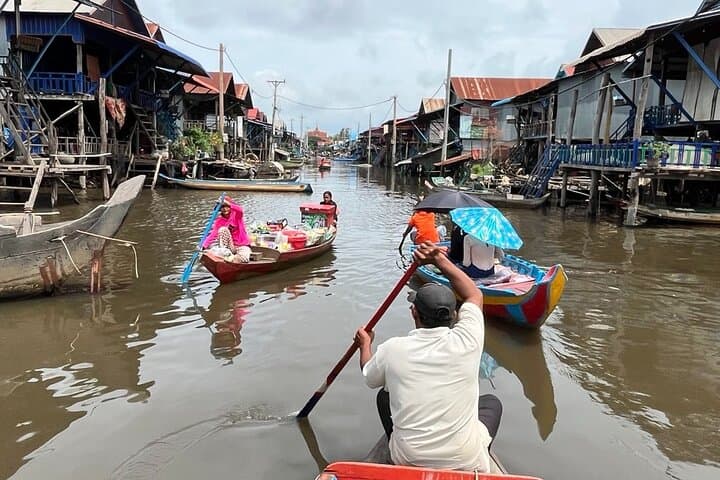
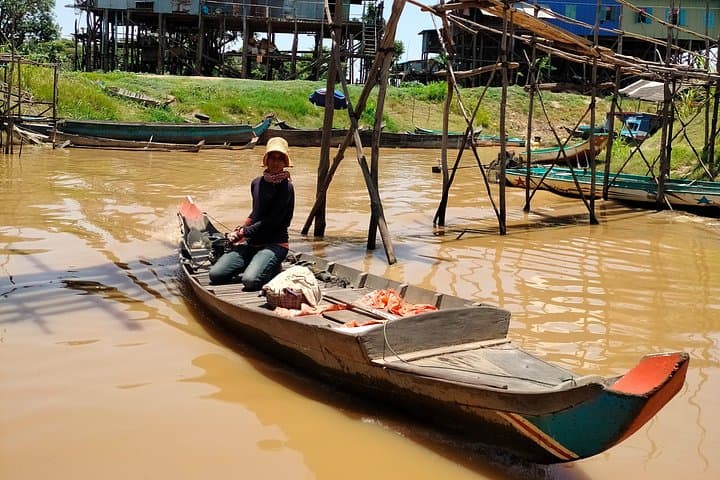
You push off from a low wooden pier as morning light paints Tonle Sap a slow, reflective gold. The boat’s engine chuffs; water licks the hull and the village rises—stilt houses, houseboats and long poles that mark seasonal life. Voices of fishers and children thread through the air, and the lake itself feels alive, pushing and pulling with the rhythm of monsoon and dry seasons.
Verified experiences and guided adventures in the surrounding area.
Operated by Siem Reap Guide · Kampong Khleang, Siem Reap Province
You push off from a low wooden pier as morning light paints Tonle Sap a slow, reflective gold. The boat’s engine chuffs; water licks the hull and the village rises—stilt houses, houseboats and long poles that mark seasonal life. Voices of fishers and children thread through the air, and the lake itself feels alive, pushing and pulling with the rhythm of monsoon and dry seasons.
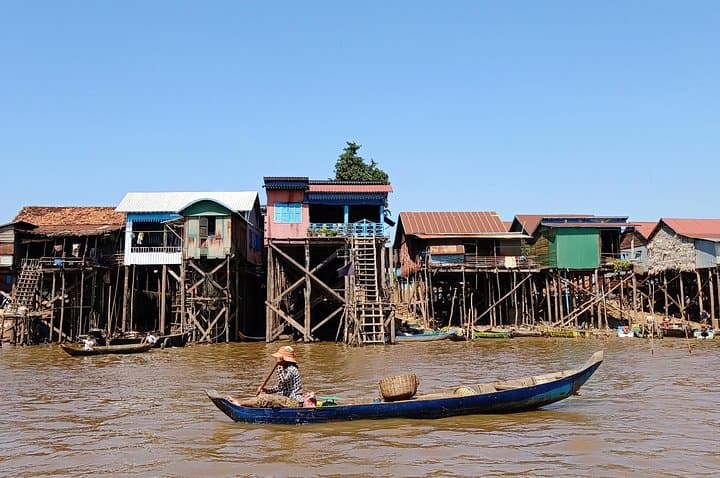
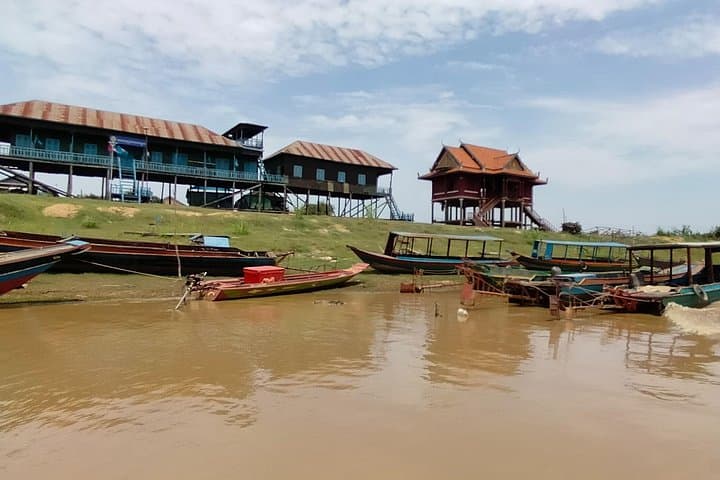
This is Kompong Khleang, one of the largest stilted fishing communities on the Tonle Sap, Southeast Asia’s largest freshwater lake. Geologically the lake is a floodplain that expands dramatically in wet months, shaping rhythms of agriculture and fishing. Locally, families adapt with elevated homes, floating markets and boat workshops passed through generations—practical responses to a landscape that alternates between shallow mudflats and open water.
Expect a mix of slow cruising and short land stops—rice paddies, the Dom Dek market where fish and shellfish are traded, and viewpoints over reed beds where waterbirds congregate. Guides often demonstrate net mending or local fish-processing techniques and explain seasonal fish migrations that sustain the community’s economy.
Practicalities: the tour runs about 5–6 hours from Siem Reap with hotel pickup and bottled water included; bring sun protection, cash for market purchases, and a light rain shell in wet months. Keep photography respectful—ask before shooting people—and move slowly on boat decks; low-to-no physical fitness is required but boats can be unsteady. The trip is both cultural and environmental: travel with curiosity and leave no trace behind.
easy.
5–6 hours.
Suitable for most fitness levels; mainly sitting and short walks on flat village paths
The tour lasts about 5–6 hours and includes private hotel pickup and drop-off in Siem Reap.
Bottled water and wipes are provided; meals are not typically included—there will be a market or restaurant stop where you can buy food.
The operator lists wheelchair and stroller accessibility for some transport segments, but boarding boats involves low gangways and may require assistance—check specific needs when booking.
Dry season (November–April) offers easier navigation and drier village access; wet season (May–October) shows the lake at its largest with dramatic floodplain dynamics.
Tonle Sap’s seasonal flood pulse has shaped settlement patterns for centuries; stilt houses and floating commerce evolved as practical responses to dramatic annual water-level change.
Tonle Sap faces pressures from overfishing and habitat loss—support local guides, avoid buying protected wildlife products, and minimize plastic waste to reduce impact.
Siem Reap Guide operates guided outdoor trips and adventures with an emphasis on safety, stewardship, and memorable experiences.
You push off from a low wooden pier as morning light paints Tonle Sap a slow, reflective gold. The boat’s engine chuffs; water licks the hull and the village rises—stilt houses, houseboats and long poles that mark seasonal life. Voices of fishers and children thread through the air, and the lake itself feels alive, pushing and pulling with the rhythm of monsoon and dry seasons.
You push off from a low wooden pier as morning light paints Tonle Sap a slow, reflective gold. The boat’s engine chuffs; water licks the hull and the village rises—stilt houses, houseboats and long poles that mark seasonal life. Voices of fishers and children thread through the air, and the lake itself feels alive, pushing and pulling with the rhythm of monsoon and dry seasons.
This is Kompong Khleang, one of the largest stilted fishing communities on the Tonle Sap, Southeast Asia’s largest freshwater lake. Geologically the lake is a floodplain that expands dramatically in wet months, shaping rhythms of agriculture and fishing. Locally, families adapt with elevated homes, floating markets and boat workshops passed through generations—practical responses to a landscape that alternates between shallow mudflats and open water.
Expect a mix of slow cruising and short land stops—rice paddies, the Dom Dek market where fish and shellfish are traded, and viewpoints over reed beds where waterbirds congregate. Guides often demonstrate net mending or local fish-processing techniques and explain seasonal fish migrations that sustain the community’s economy.
Practicalities: the tour runs about 5–6 hours from Siem Reap with hotel pickup and bottled water included; bring sun protection, cash for market purchases, and a light rain shell in wet months. Keep photography respectful—ask before shooting people—and move slowly on boat decks; low-to-no physical fitness is required but boats can be unsteady. The trip is both cultural and environmental: travel with curiosity and leave no trace behind.