THE ADVENTURE COLLECTIVE® · Independent discovery and booking for outdoor travel

Experience Kobe’s cherry blossom season on a private three-hour hanami tour that mixes fragrant Nunobiki Herb Garden, historic Kitano Ijinkan, a depachika obento hunt in Motomachi, and a picnic at Meriken Park. Expect easy walking, seasonal treats, and a local guide who times the best light and views.
Experience Kobe’s cherry blossom season on a private three-hour hanami tour that mixes fragrant Nunobiki Herb Garden, historic Kitano Ijinkan, a depachika obento hunt in Motomachi, and a picnic at Meriken Park. Expect easy walking, seasonal treats, and a local guide who times the best light and views.
You arrive in Kobe beneath a pale spring sky, sakura petals drifting like soft confetti across the harbor. The guide leads you up toward Nunobiki Herb Garden where cherry trees edge aromatic beds of lavender and rosemary—their scents mixing as the blossoms dare the sea breeze to steal them away.
Verified experiences and guided adventures in the surrounding area.
Operated by City Unscripted · Kobe, Hyogo Prefecture
You arrive in Kobe beneath a pale spring sky, sakura petals drifting like soft confetti across the harbor. The guide leads you up toward Nunobiki Herb Garden where cherry trees edge aromatic beds of lavender and rosemary—their scents mixing as the blossoms dare the sea breeze to steal them away.
Kobe's port city history is visible at every turn: Kitano's Western-style Ijinkan houses reflect the mid-19th-century opening to foreign trade, and Meriken Park frames modern maritime commerce against the same skyline that once greeted new settlers. Geologically, Kobe sits at the foot of Rokko and near fault lines, giving the city its steep, stair-lined neighborhoods and pockets of greenery where cherry trees thrive.
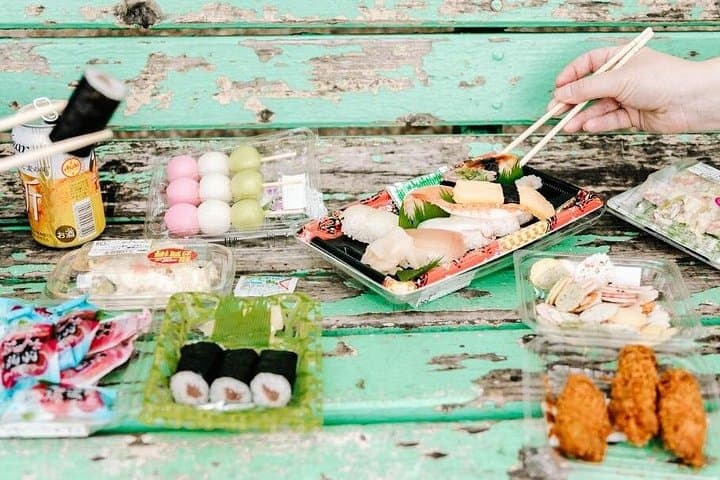
Culturally, hanami is about community and timing—shared obento, a cup of tea or a sip of amazake, and respectful silence when a wind-shower of petals falls. Local depachika at Motomachi turn meal selection into a seasonal discovery, where cherry-blossom motifs and preserved-flower confections appear for only weeks.
Practical guidance: book for peak bloom (late March to early April, variable year-to-year), wear grippy shoes for mixed pavement and garden paths, and plan for about three hours of walking with short stops. Bring a compact picnic blanket and a phone or camera with charged battery for changing light. Expect gentle inclines near Nunobiki and easy, flat promenades at Meriken Park. This private tour threads culture, cuisine, and spring spectacle into an accessible, sensory hanami that rewards simple attention to place and season.
easy.
3 hours.
Light walking; suitable for most activity levels with short, gentle uphill sections near Nunobiki.
Peak bloom usually falls between late March and early April, but exact timing varies annually—check Japan bloom forecasts a few weeks ahead.
The tour notes wheelchair and stroller accessibility, but some garden areas and short stair sections near Nunobiki may require alternate routes—confirm needs when booking.
Yes; guides can help select vegetarian, pescatarian, or allergy-aware options from depachika vendors—notify special requirements in advance.
Meeting and finish points are central Kobe locations (often near Motomachi or Meriken Park); exact pickup/meeting details are provided at booking.
Kobe opened as a treaty port in the 1860s, bringing foreign residents who built the Ijinkan Western-style homes; hanami evolved as both a private and communal spring ritual across Japan.
Keep hanami low-impact by using reusable containers when possible and removing all litter; local parks enforce strict cleanup to protect tree roots and soil health.
City Unscripted operates guided outdoor trips and adventures with an emphasis on safety, stewardship, and memorable experiences.
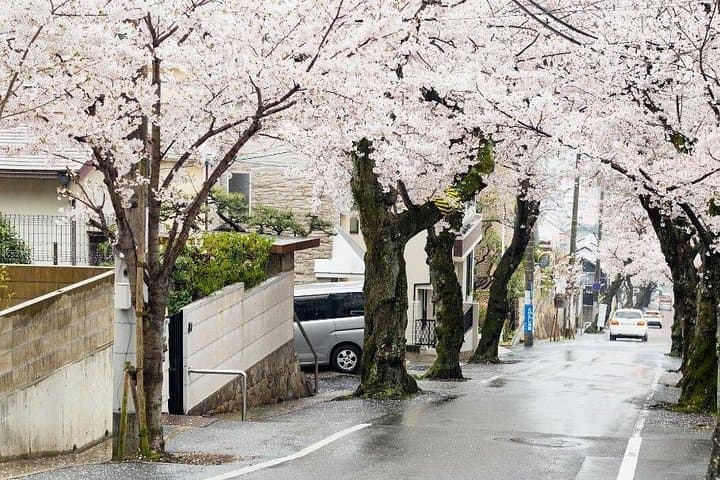
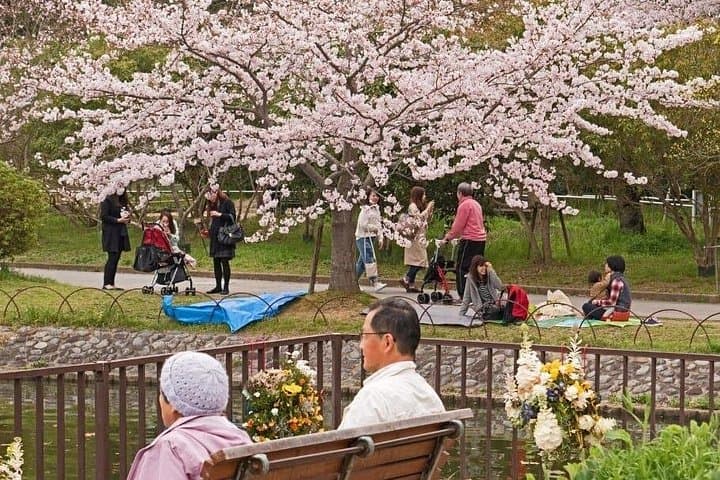
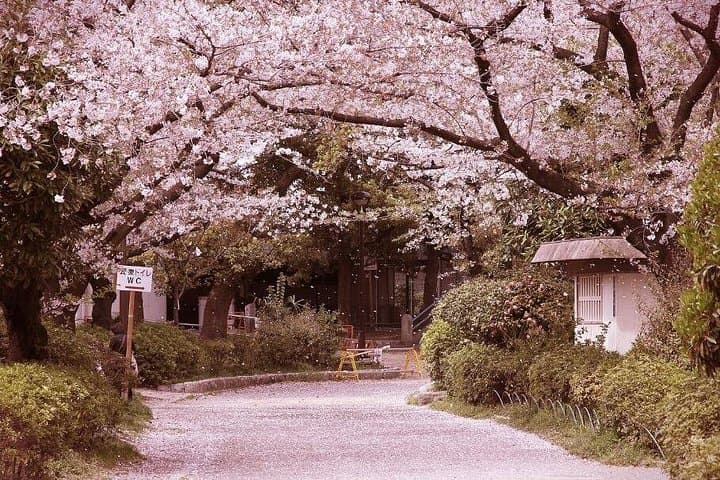
You arrive in Kobe beneath a pale spring sky, sakura petals drifting like soft confetti across the harbor. The guide leads you up toward Nunobiki Herb Garden where cherry trees edge aromatic beds of lavender and rosemary—their scents mixing as the blossoms dare the sea breeze to steal them away.
You arrive in Kobe beneath a pale spring sky, sakura petals drifting like soft confetti across the harbor. The guide leads you up toward Nunobiki Herb Garden where cherry trees edge aromatic beds of lavender and rosemary—their scents mixing as the blossoms dare the sea breeze to steal them away.
Kobe's port city history is visible at every turn: Kitano's Western-style Ijinkan houses reflect the mid-19th-century opening to foreign trade, and Meriken Park frames modern maritime commerce against the same skyline that once greeted new settlers. Geologically, Kobe sits at the foot of Rokko and near fault lines, giving the city its steep, stair-lined neighborhoods and pockets of greenery where cherry trees thrive.
Culturally, hanami is about community and timing—shared obento, a cup of tea or a sip of amazake, and respectful silence when a wind-shower of petals falls. Local depachika at Motomachi turn meal selection into a seasonal discovery, where cherry-blossom motifs and preserved-flower confections appear for only weeks.
Practical guidance: book for peak bloom (late March to early April, variable year-to-year), wear grippy shoes for mixed pavement and garden paths, and plan for about three hours of walking with short stops. Bring a compact picnic blanket and a phone or camera with charged battery for changing light. Expect gentle inclines near Nunobiki and easy, flat promenades at Meriken Park. This private tour threads culture, cuisine, and spring spectacle into an accessible, sensory hanami that rewards simple attention to place and season.