THE ADVENTURE COLLECTIVE® · Independent discovery and booking for outdoor travel

Combine fortress overlooks, karst waterfalls and UNESCO streets in a private day tour from Split. This route links Klis’s strategic ramparts, the wooden boardwalks of Krka National Park, and Trogir’s medieval heart in a 6–8 hour experience.
Combine fortress overlooks, karst waterfalls and UNESCO streets in a private day tour from Split. This route links Klis’s strategic ramparts, the wooden boardwalks of Krka National Park, and Trogir’s medieval heart in a 6–8 hour experience.
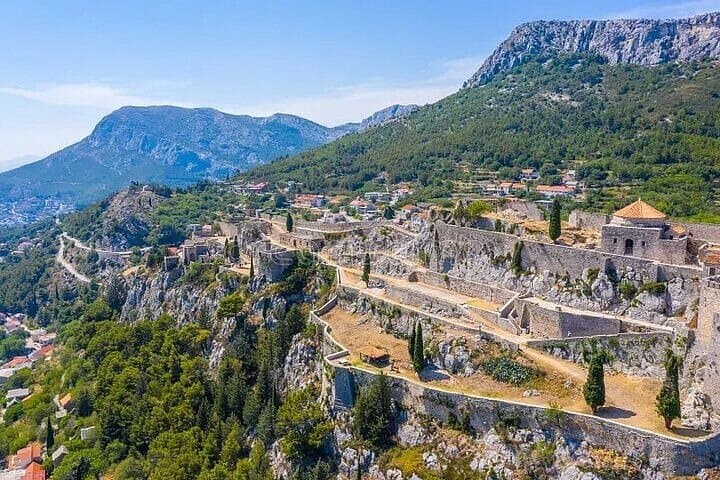
You step out onto the ramparts of Klis and the wind immediately rearranges your plans — Split’s harbor, a scatter of islands and the Mosor ridge all lay open beneath a watchful stone. The fortress’s walls slope and narrow; history presses close where soldiers once patrolled, and the view rewards the climb.
Verified experiences and guided adventures in the surrounding area.
Operated by Grand Tour Travel · Split, Split-Dalmatia County
You step out onto the ramparts of Klis and the wind immediately rearranges your plans — Split’s harbor, a scatter of islands and the Mosor ridge all lay open beneath a watchful stone. The fortress’s walls slope and narrow; history presses close where soldiers once patrolled, and the view rewards the climb.
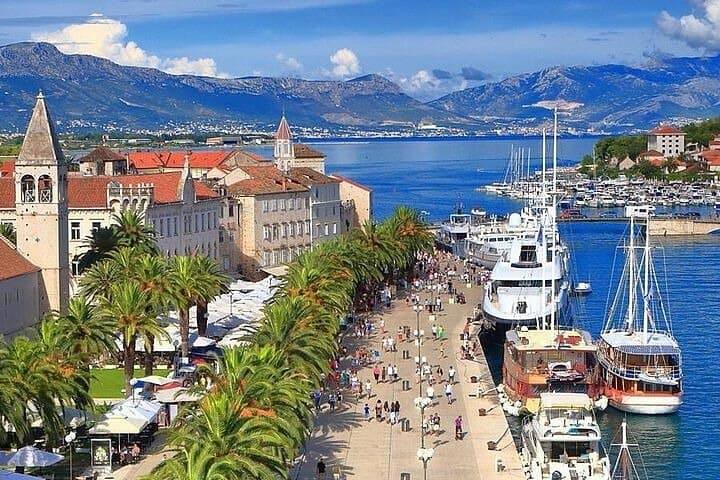
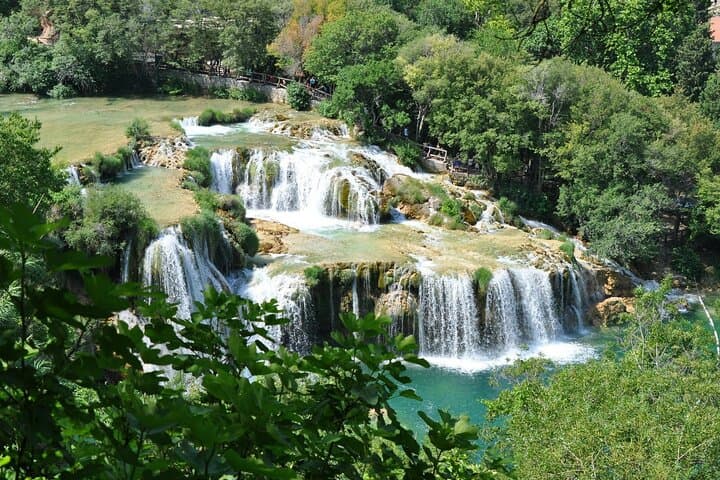
Later the Krka River calls you down into a different world: water pushing over travertine steps, wooden boardwalks that thread through spray and reeds, and the steady roar of Skradinski buk demanding attention. Trogir offers a quieter counterpoint — compact medieval streets, the carved portal of St. Lawrence, and a small market where olive oil and citrus sell beside fishermen’s tales.
Klis was a strategic chokepoint between the Adriatic and the Balkans, repeatedly contested during Ottoman incursions. Krka’s cascades owe their form to karst limestone and travertine deposition that builds natural dams. Trogir preserves Romanesque-Gothic fabric and a city plan dating to the island’s Greek and Roman past.
Practical note: this private tour runs about 6–8 hours with door-to-door pickup from Split. Expect uneven stone and boardwalk surfaces and short uphill sections — wear sturdy shoes, bring sun protection and at least 1 liter of water per person, and keep a light rain layer in cooler months. Entrance fees to Krka National Park are typically paid on-site; your guide will advise timing to avoid peak crowds. Photography is excellent in morning or late afternoon light; if traveling with small children, check stroller access and request infant seats when booking.
moderate.
6–8 hours.
Moderate fitness: you should be comfortable walking short uphill sections and standing on uneven surfaces for extended periods.
Yes — the itinerary is run as a private tour with personalized commentary and flexible pacing.
Krka National Park fees are typically not included and are payable on-site; confirm with the operator before arrival.
Expect moderate walking: short climbs at Klis, boardwalks and gentle trails at Skradinski buk, and cobbled streets in Trogir.
Pickup is usually offered from accommodations in Split and can be arranged from the cruise port — provide arrival details when booking.
Klis served as a defensive stronghold controlling passage between inland Balkans and the Adriatic, while Trogir preserves significant Romanesque-Gothic architecture and an island-born urban plan.
Krka National Park protects karst river dynamics and travertine formations — stay on boardwalks, avoid touching travertine, and pack out all trash to minimize impact.
Grand Tour Travel operates guided outdoor trips and adventures with an emphasis on safety, stewardship, and memorable experiences.

You step out onto the ramparts of Klis and the wind immediately rearranges your plans — Split’s harbor, a scatter of islands and the Mosor ridge all lay open beneath a watchful stone. The fortress’s walls slope and narrow; history presses close where soldiers once patrolled, and the view rewards the climb.
You step out onto the ramparts of Klis and the wind immediately rearranges your plans — Split’s harbor, a scatter of islands and the Mosor ridge all lay open beneath a watchful stone. The fortress’s walls slope and narrow; history presses close where soldiers once patrolled, and the view rewards the climb.
Later the Krka River calls you down into a different world: water pushing over travertine steps, wooden boardwalks that thread through spray and reeds, and the steady roar of Skradinski buk demanding attention. Trogir offers a quieter counterpoint — compact medieval streets, the carved portal of St. Lawrence, and a small market where olive oil and citrus sell beside fishermen’s tales.
Klis was a strategic chokepoint between the Adriatic and the Balkans, repeatedly contested during Ottoman incursions. Krka’s cascades owe their form to karst limestone and travertine deposition that builds natural dams. Trogir preserves Romanesque-Gothic fabric and a city plan dating to the island’s Greek and Roman past.
Practical note: this private tour runs about 6–8 hours with door-to-door pickup from Split. Expect uneven stone and boardwalk surfaces and short uphill sections — wear sturdy shoes, bring sun protection and at least 1 liter of water per person, and keep a light rain layer in cooler months. Entrance fees to Krka National Park are typically paid on-site; your guide will advise timing to avoid peak crowds. Photography is excellent in morning or late afternoon light; if traveling with small children, check stroller access and request infant seats when booking.