THE ADVENTURE COLLECTIVE® · Independent discovery and booking for outdoor travel

Learn kitesurfing on Aruba’s wind-swept beaches with private instruction, full gear, and focused safety coaching. This two-hour session moves from land drills to assisted water rides, ideal for beginners comfortable in the ocean.
Learn kitesurfing on Aruba’s wind-swept beaches with private instruction, full gear, and focused safety coaching. This two-hour session moves from land drills to assisted water rides, ideal for beginners comfortable in the ocean.
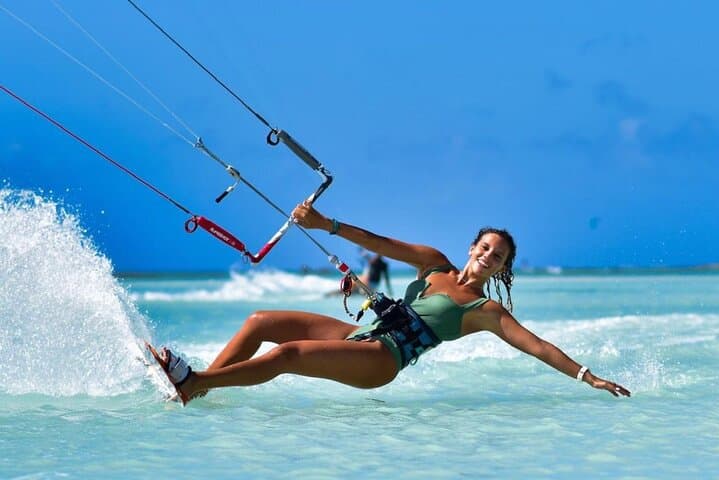
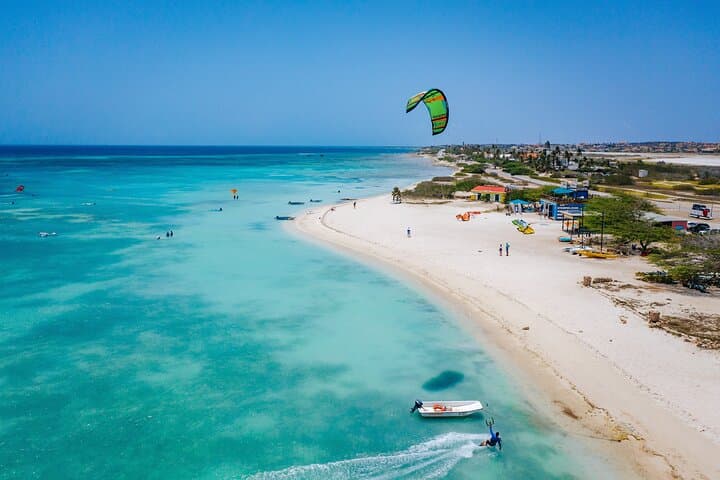
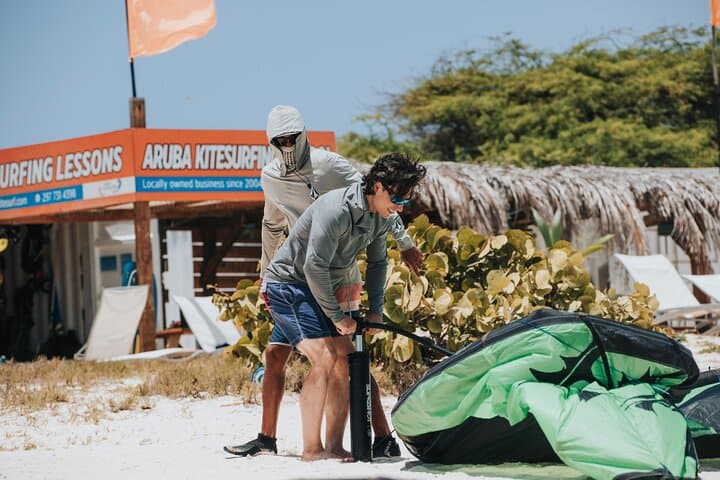
A white strip of sand, turquoise water, and the steady tug of trade winds — that’s the opening scene for private kitesurfing lessons in Aruba. Students meet on a broad beach where instructors rig kites and walk through wind windows while sea spray sketches the air. The wind doesn’t just blow here; it shapes the coastline’s daily rhythm and dares you to step into its pull.
Verified experiences and guided adventures in the surrounding area.
Operated by Aruba Kitesurfing School · Oranjestad, Aruba
A white strip of sand, turquoise water, and the steady tug of trade winds — that’s the opening scene for private kitesurfing lessons in Aruba. Students meet on a broad beach where instructors rig kites and walk through wind windows while sea spray sketches the air. The wind doesn’t just blow here; it shapes the coastline’s daily rhythm and dares you to step into its pull.
Aruba sits on a limestone shelf just north of Venezuela; shallow reefs and sandbars create predictable channels and wind corridors favored by kite schools. The island’s Dutch-Caribbean culture shows up in low, colorful buildings and friendly instructors who blend international technique with local sea sense. Historically a shipping and plantation stop, today Aruba’s coastline is defined by tourism and watersport tradition.
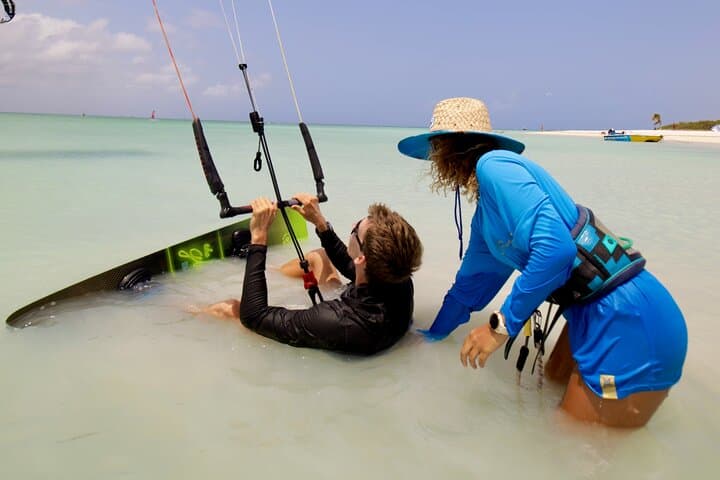
Practical guidance starts with timing: aim for a morning or late-afternoon slot when trades are steady and crowds are thinner. Lessons run about two hours and include full kite gear, harness, helmet and on-water coaching tailored to your comfort in the surf. Expect land drills, body-drag practice, and short assisted rides once you master kite control.
Footwear? Water shoes protect against sharp shells and reef; sunscreen must be reef-safe. Hydrate before and after sessions — the sun and wind accelerate dehydration. Beginners should be comfortable swimming in waist to chest-deep water and have basic balance. Book early in high season (Dec–Apr) and communicate any medical limits; instructors prioritize safety and will adapt drills to conditions. When the kite fills, the gusts push you forward — Aruba’s wind gives the sport its grin and its rules.
moderate.
2 hours.
Moderate fitness—comfortable swimming, basic core strength and balance for board control; sessions include physical kite-handling drills.
No—private lessons are designed for beginners; instructors start on land with safety and kite-control drills before moving into assisted water practice.
The two-hour private session typically includes kite, bar, harness, helmet, harnessed lessons, and water-shoes if provided by the school; confirm specific inclusions with the operator.
Most schools accept teens and adults; minimum age and weight limits vary by provider and conditions—check when booking and disclose ages for minors.
Operators generally cancel or reschedule if conditions are unsafe; refund policies vary, and many require 24‑hour notice for cancellations.
Aruba’s coast was long used for fishing and trade; modern watersports grew after the island invested in tourism and beach access in the late 20th century.
Choose operators that use reef-safe gear and brief students on local marine habitats; minimizing sunscreen runoff and avoiding reef anchoring reduces impact.
Aruba Kitesurfing School operates guided outdoor trips and adventures with an emphasis on safety, stewardship, and memorable experiences.
A white strip of sand, turquoise water, and the steady tug of trade winds — that’s the opening scene for private kitesurfing lessons in Aruba. Students meet on a broad beach where instructors rig kites and walk through wind windows while sea spray sketches the air. The wind doesn’t just blow here; it shapes the coastline’s daily rhythm and dares you to step into its pull.
A white strip of sand, turquoise water, and the steady tug of trade winds — that’s the opening scene for private kitesurfing lessons in Aruba. Students meet on a broad beach where instructors rig kites and walk through wind windows while sea spray sketches the air. The wind doesn’t just blow here; it shapes the coastline’s daily rhythm and dares you to step into its pull.
Aruba sits on a limestone shelf just north of Venezuela; shallow reefs and sandbars create predictable channels and wind corridors favored by kite schools. The island’s Dutch-Caribbean culture shows up in low, colorful buildings and friendly instructors who blend international technique with local sea sense. Historically a shipping and plantation stop, today Aruba’s coastline is defined by tourism and watersport tradition.
Practical guidance starts with timing: aim for a morning or late-afternoon slot when trades are steady and crowds are thinner. Lessons run about two hours and include full kite gear, harness, helmet and on-water coaching tailored to your comfort in the surf. Expect land drills, body-drag practice, and short assisted rides once you master kite control.
Footwear? Water shoes protect against sharp shells and reef; sunscreen must be reef-safe. Hydrate before and after sessions — the sun and wind accelerate dehydration. Beginners should be comfortable swimming in waist to chest-deep water and have basic balance. Book early in high season (Dec–Apr) and communicate any medical limits; instructors prioritize safety and will adapt drills to conditions. When the kite fills, the gusts push you forward — Aruba’s wind gives the sport its grin and its rules.