THE ADVENTURE COLLECTIVE® · Independent discovery and booking for outdoor travel

Explore Kinshasa on a three-hour private walking tour from the Palace of the Nation to the Botanical Gardens, through the Central Market and Cathédrale Notre-Dame du Congo. Expect flat, urban terrain, lively markets, and a knowledgeable local guide who handles logistics and admissions.
Explore Kinshasa on a three-hour private walking tour from the Palace of the Nation to the Botanical Gardens, through the Central Market and Cathédrale Notre-Dame du Congo. Expect flat, urban terrain, lively markets, and a knowledgeable local guide who handles logistics and admissions.
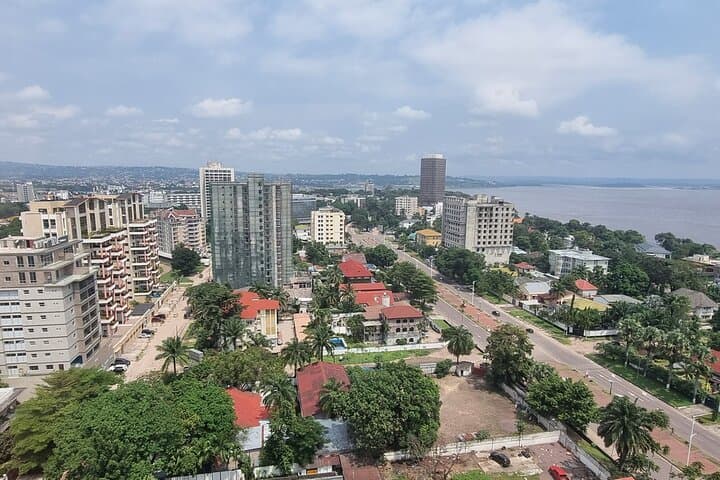
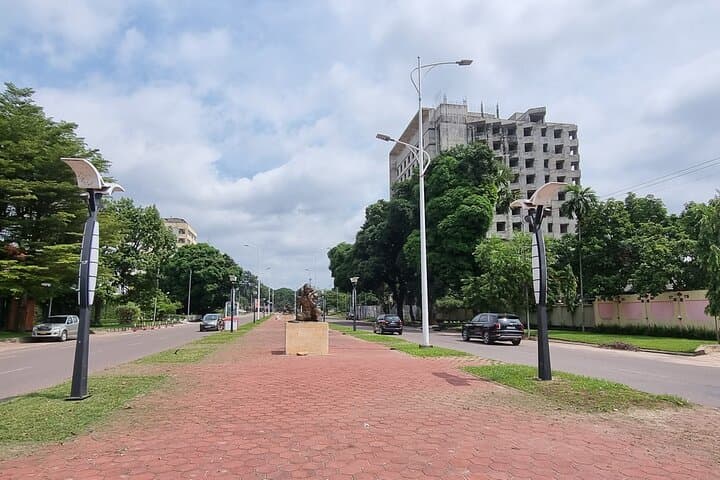
You step off the shaded avenue and the city opens—honking matatus, the Congo River daring you from the distance, and a wide stone façade that once hosted generations of state ceremonies. This private walking tour threads three hours through Kinshasa’s civic heart: the Palace of the Nation’s imposing neoclassical lines, the green hush of the Botanical Gardens, the riot of color and sound at the Central Market, and the solemn calm of Cathédrale Notre-Dame du Congo.
Verified experiences and guided adventures in the surrounding area.
Operated by Opatrip.com Congo · Kinshasa, Kinshasa
You step off the shaded avenue and the city opens—honking matatus, the Congo River daring you from the distance, and a wide stone façade that once hosted generations of state ceremonies. This private walking tour threads three hours through Kinshasa’s civic heart: the Palace of the Nation’s imposing neoclassical lines, the green hush of the Botanical Gardens, the riot of color and sound at the Central Market, and the solemn calm of Cathédrale Notre-Dame du Congo.
Kinshasa sits on the southern bank of the Congo River, its urban fabric shaped by colonial-era planning and rapid post-independence growth. The Palace reflects Belgian-era monumentalism and later national identity; the Botanical Gardens preserve regionally important tropical flora and offer a living classroom for local species. Culture here is kinetic—rumba and soukous rhythms spill from cafés, market sellers call prices in Lingala and French, and street art comments on everyday life.
Practical guidance is straightforward: the route is flat and mostly paved, suitable for all fitness levels, but expect uneven curbs and crowded market lanes. Morning departures avoid peak heat and give clearer light for photos. Bring local cash for market purchases, a refillable water bottle for hydration, and modest dress when entering the cathedral. Guides typically handle admissions (the Botanical Gardens fee is included), translate market etiquette, and point out plant and architectural details you’d miss alone.
A private tour strips away group logistics—your pace, questions, and detours shape the day. Walk attentive, trade a smile with vendors, and this city’s pulse will tell you why Kinshasa feels less like a stop and more like an encounter.
easy.
3 hours.
Suitable for most fitness levels; walking on flat, paved urban streets with frequent stops for sights and markets.
The tour lasts about three hours and covers a few kilometers of mostly flat, paved streets with frequent stops; pacing is adjustable since it’s private.
Yes—the tour includes the Botanical Gardens admission; your guide will handle the ticketing as part of the service.
Local guides commonly speak French and Lingala; many also speak English—confirm language needs when booking.
Yes—it's family-friendly and physically easy, though some market areas can be crowded; a compact stroller may be difficult in dense stalls.
Kinshasa grew from a late-19th-century river port under colonial rule to the capital of an independent Congo; much of its civic architecture reflects Belgian planning interwoven with post-independence modifications.
Urban green spaces like the Botanical Gardens are key to conserving regional plant diversity; visitors can help by staying on paths and avoiding picking plants.
Opatrip.com Congo operates guided outdoor trips and adventures with an emphasis on safety, stewardship, and memorable experiences.

You step off the shaded avenue and the city opens—honking matatus, the Congo River daring you from the distance, and a wide stone façade that once hosted generations of state ceremonies. This private walking tour threads three hours through Kinshasa’s civic heart: the Palace of the Nation’s imposing neoclassical lines, the green hush of the Botanical Gardens, the riot of color and sound at the Central Market, and the solemn calm of Cathédrale Notre-Dame du Congo.
You step off the shaded avenue and the city opens—honking matatus, the Congo River daring you from the distance, and a wide stone façade that once hosted generations of state ceremonies. This private walking tour threads three hours through Kinshasa’s civic heart: the Palace of the Nation’s imposing neoclassical lines, the green hush of the Botanical Gardens, the riot of color and sound at the Central Market, and the solemn calm of Cathédrale Notre-Dame du Congo.
Kinshasa sits on the southern bank of the Congo River, its urban fabric shaped by colonial-era planning and rapid post-independence growth. The Palace reflects Belgian-era monumentalism and later national identity; the Botanical Gardens preserve regionally important tropical flora and offer a living classroom for local species. Culture here is kinetic—rumba and soukous rhythms spill from cafés, market sellers call prices in Lingala and French, and street art comments on everyday life.
Practical guidance is straightforward: the route is flat and mostly paved, suitable for all fitness levels, but expect uneven curbs and crowded market lanes. Morning departures avoid peak heat and give clearer light for photos. Bring local cash for market purchases, a refillable water bottle for hydration, and modest dress when entering the cathedral. Guides typically handle admissions (the Botanical Gardens fee is included), translate market etiquette, and point out plant and architectural details you’d miss alone.
A private tour strips away group logistics—your pace, questions, and detours shape the day. Walk attentive, trade a smile with vendors, and this city’s pulse will tell you why Kinshasa feels less like a stop and more like an encounter.