THE ADVENTURE COLLECTIVE® · Independent discovery and booking for outdoor travel

Skip public transit and arrive in comfort to Keukenhof’s spring spectacle. This private transfer tour gives you door-to-door service, ample time in the gardens, and direct access to nearby tulip fields for photos and quiet exploration.
Skip public transit and arrive in comfort to Keukenhof’s spring spectacle. This private transfer tour gives you door-to-door service, ample time in the gardens, and direct access to nearby tulip fields for photos and quiet exploration.
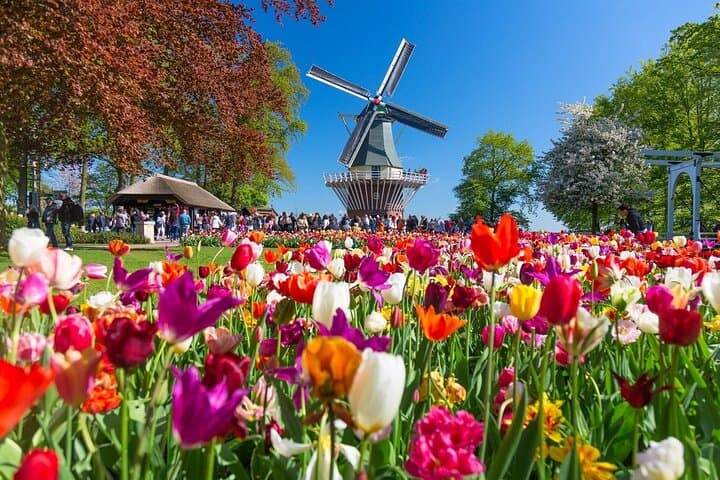
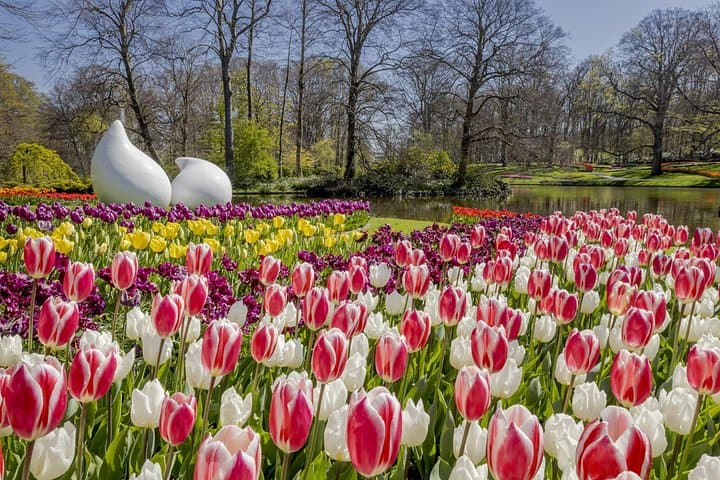
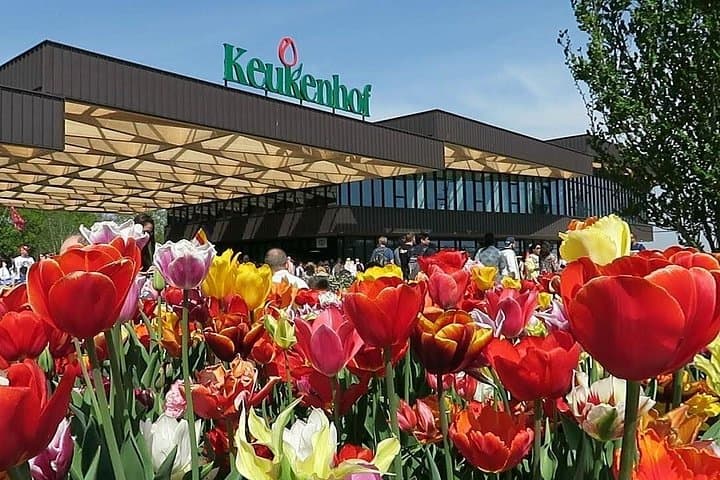
The ride out of Amsterdam eases into open Dutch countryside: a Mercedes glides past low hedgerows and vast, checkerboard fields where rows of tulips stretch to the horizon. You arrive at Keukenhof's gates with time and space to move at your own pace—no lines, no rigid schedule—just the hush of spring and blooms arranged like living exhibitions.
Verified experiences and guided adventures in the surrounding area.
Operated by Amsterdamse Taxi Service · Lisse, South Holland
The ride out of Amsterdam eases into open Dutch countryside: a Mercedes glides past low hedgerows and vast, checkerboard fields where rows of tulips stretch to the horizon. You arrive at Keukenhof's gates with time and space to move at your own pace—no lines, no rigid schedule—just the hush of spring and blooms arranged like living exhibitions.
Keukenhof began as the kitchen garden for Slot Teylingen centuries ago and opened as a public flower show in 1950. The park sits on low-lying, reclaimed polderland shaped by centuries of Dutch water management; the soil and drainage here are engineered for bulbs. Local floriculture is both a craft and an export economy—expect displays that reflect the Netherlands’ long tulip-breeding tradition and seasonal planting cycles.
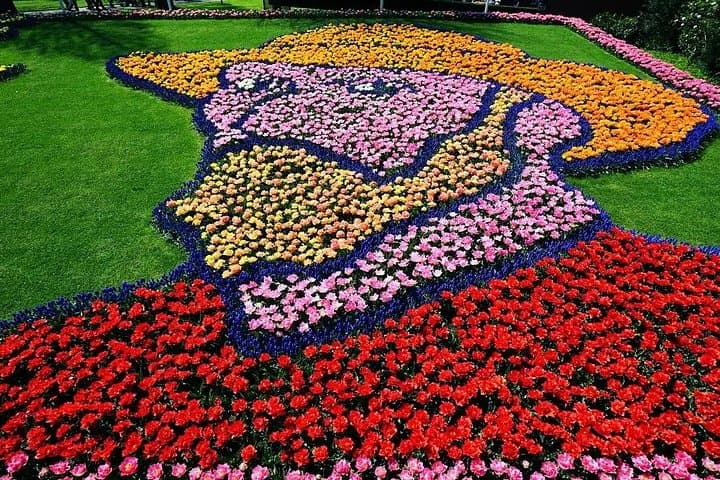
Culturally, the gardens are part show, part classroom: pavilions host floral art and horticultural history, while surrounding bulb fields offer a rawer, photogenic counterpoint. Practically, this private transfer removes transit stress—your chauffeur drops you at the entrance, waits nearby, and returns you when you’re ready.
Plan for variable spring weather: layer, bring a waterproof, and wear supportive walking shoes for gravel paths. Mornings tend to be quieter and offer cleaner light for photography; late afternoon brings softer tones but more visitors. Keukenhof is busiest March–May; outside that window the gardens are closed, though bulb fields and coastal towns make good alternatives. Respect the beds, follow park routes, and keep cameras charged—this is a sensory outing best enjoyed slowly and with a practical checklist.
easy.
5 hours.
Minimal fitness required; expect several hours of low-impact walking on gravel and paved paths
Admission is typically not included—confirm at booking and purchase Keukenhof tickets separately if needed.
The itinerary allows around four hours at Keukenhof while the chauffeur waits nearby; exact wait time is confirmed with the operator.
Keukenhof and the private vehicle are wheelchair accessible, with paved paths and accessible facilities inside the park.
You can receive a full refund if you cancel at least 24 hours before the scheduled departure; check your booking for exact terms.
Keukenhof opened as a public flower exhibition in 1950 on land that had been a medieval kitchen garden for local nobility; it showcases the Netherlands’ bulb-breeding legacy.
The gardens and surrounding farms depend on careful water management and seasonal planting; visitors are asked to stay on paths to protect bulbs and nesting pollinators.
Amsterdamse Taxi Service operates guided outdoor trips and adventures with an emphasis on safety, stewardship, and memorable experiences.
The ride out of Amsterdam eases into open Dutch countryside: a Mercedes glides past low hedgerows and vast, checkerboard fields where rows of tulips stretch to the horizon. You arrive at Keukenhof's gates with time and space to move at your own pace—no lines, no rigid schedule—just the hush of spring and blooms arranged like living exhibitions.
The ride out of Amsterdam eases into open Dutch countryside: a Mercedes glides past low hedgerows and vast, checkerboard fields where rows of tulips stretch to the horizon. You arrive at Keukenhof's gates with time and space to move at your own pace—no lines, no rigid schedule—just the hush of spring and blooms arranged like living exhibitions.
Keukenhof began as the kitchen garden for Slot Teylingen centuries ago and opened as a public flower show in 1950. The park sits on low-lying, reclaimed polderland shaped by centuries of Dutch water management; the soil and drainage here are engineered for bulbs. Local floriculture is both a craft and an export economy—expect displays that reflect the Netherlands’ long tulip-breeding tradition and seasonal planting cycles.
Culturally, the gardens are part show, part classroom: pavilions host floral art and horticultural history, while surrounding bulb fields offer a rawer, photogenic counterpoint. Practically, this private transfer removes transit stress—your chauffeur drops you at the entrance, waits nearby, and returns you when you’re ready.
Plan for variable spring weather: layer, bring a waterproof, and wear supportive walking shoes for gravel paths. Mornings tend to be quieter and offer cleaner light for photography; late afternoon brings softer tones but more visitors. Keukenhof is busiest March–May; outside that window the gardens are closed, though bulb fields and coastal towns make good alternatives. Respect the beds, follow park routes, and keep cameras charged—this is a sensory outing best enjoyed slowly and with a practical checklist.