THE ADVENTURE COLLECTIVE® · Independent discovery and booking for outdoor travel

A private, guided half‑day through Kathmandu Valley’s four UNESCO‑listed highlights—Durbar Square, Swayambhunath, Boudhanath and Pashupatinath—paired with local lunch and return hotel transfer. Perfect for travelers wanting concentrated cultural context with minimal logistics.
A private, guided half‑day through Kathmandu Valley’s four UNESCO‑listed highlights—Durbar Square, Swayambhunath, Boudhanath and Pashupatinath—paired with local lunch and return hotel transfer. Perfect for travelers wanting concentrated cultural context with minimal logistics.
You step out of an air‑conditioned vehicle into a narrow street where prayer flags flutter across rooftops and the scent of incense threads the air. The day moves like the valley itself: brisk at the temple steps, quieter in the courtyards, expansive at the stupas. Stopping first at Kathmandu Durbar Square, you walk past carved wooden windows and into the square where the living Kumari is venerated and the rhythm of urban life meets centuries of craft.
Verified experiences and guided adventures in the surrounding area.
Operated by Mega Mount Trekking Expedition P. Ltd · Kathmandu, Bagmati Province
You step out of an air‑conditioned vehicle into a narrow street where prayer flags flutter across rooftops and the scent of incense threads the air. The day moves like the valley itself: brisk at the temple steps, quieter in the courtyards, expansive at the stupas. Stopping first at Kathmandu Durbar Square, you walk past carved wooden windows and into the square where the living Kumari is venerated and the rhythm of urban life meets centuries of craft.
Kathmandu Valley sits on lake sediments dropped by ancient rivers; its layered geology created the sheltered basin that supported the rise of the Newar city-states. The four sites on this route—Durbar Square, Swayambhunath (the Monkey Temple), Boudhanath and Pashupatinath—trace a cultural overlap of Hindu and Buddhist practices, with architecture ranging from multi‑story palaces to hemispherical stupas. Be aware many monuments still show repairs from the 2015 earthquakes, which reshaped both streets and restoration priorities.
Practicalities are straightforward: the private tour includes hotel pickup and drop‑off, an English guide, an air‑conditioned vehicle and lunch at a local eatery overlooking Boudhanath. Expect stair climbs at Swayambhunath, modest dress required at sacred sites, and opportunities for photography balanced against active religious rites. Plan to carry small currency for donations, water for short walks, and shoes that can be slipped off quickly for temple entry. Midday heat and busy streets favor an early start; moving between compact sites means more walking than driving—this is cultural exploration paced for curiosity and comfort.
easy.
6–7 hours.
Suitable for all fitness levels; expect multiple short walks and stair sections.
Yes—hotel pickup and drop‑off within Kathmandu Valley are included in the tour price.
Admissions to the listed sites are included as noted; confirm with your operator if any optional entries are extra.
Yes; the tour is rated easy, but Swayambhunath’s stairs and temple crowds may be tiring—request a slower pace if needed.
Photography is generally allowed in open areas, but respect restricted zones and individuals performing rituals—guide advice on sensitive spots.
Kathmandu Valley’s urban core grew from Newar kingdoms; its blend of Hindu and Buddhist monuments reflects centuries of shared cultural practice and was recognized by UNESCO for its cultural significance.
Visitors should stay on marked paths, avoid touching fragile woodcarvings or stupas, and minimize plastic waste—local conservation groups focus on heritage restoration and river cleanups near Pashupati.
Mega Mount Trekking Expedition P. Ltd operates guided outdoor trips and adventures with an emphasis on safety, stewardship, and memorable experiences.
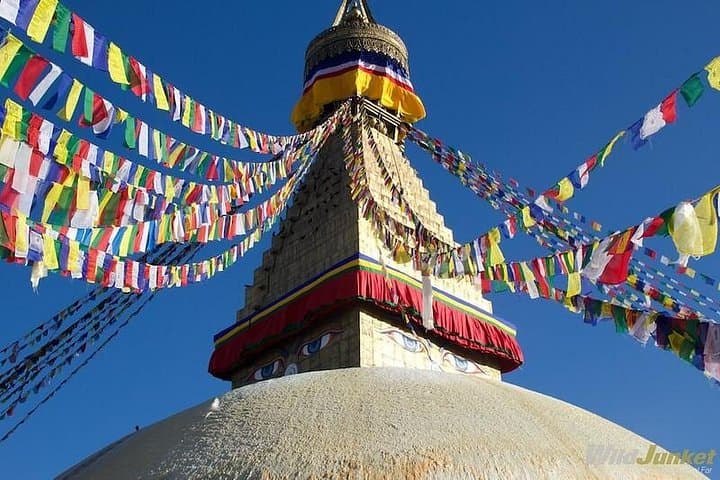
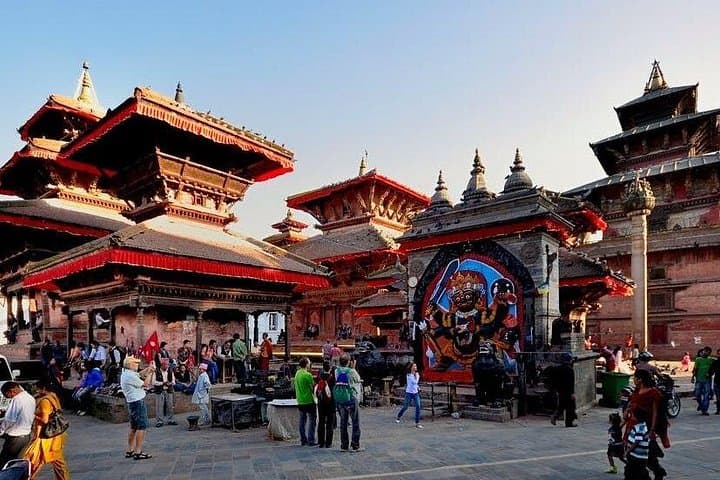
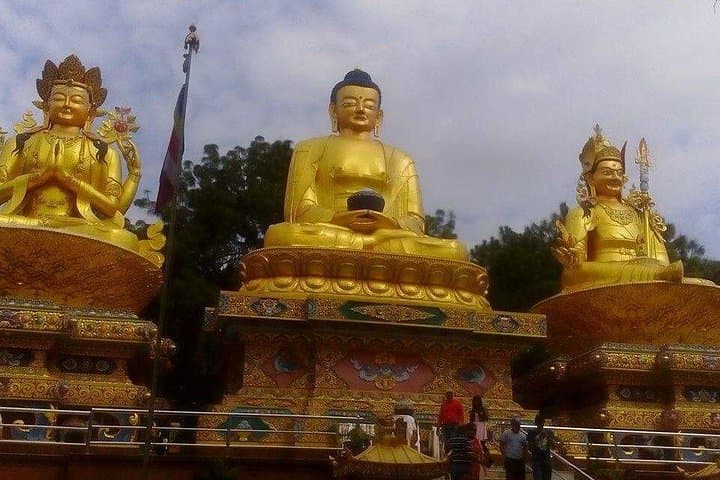
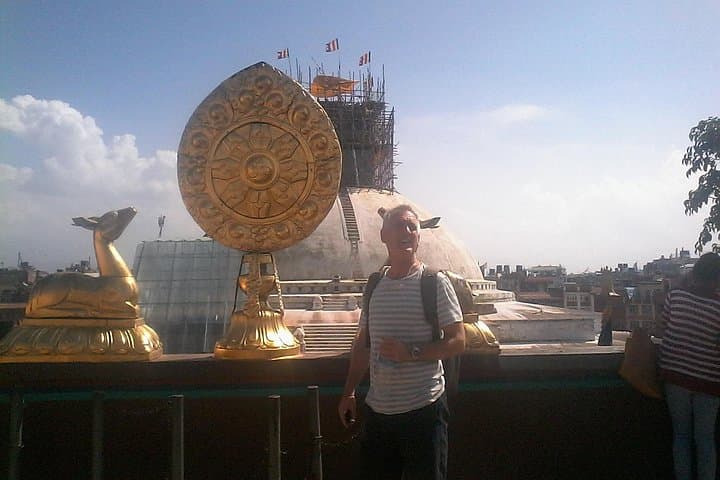
You step out of an air‑conditioned vehicle into a narrow street where prayer flags flutter across rooftops and the scent of incense threads the air. The day moves like the valley itself: brisk at the temple steps, quieter in the courtyards, expansive at the stupas. Stopping first at Kathmandu Durbar Square, you walk past carved wooden windows and into the square where the living Kumari is venerated and the rhythm of urban life meets centuries of craft.
You step out of an air‑conditioned vehicle into a narrow street where prayer flags flutter across rooftops and the scent of incense threads the air. The day moves like the valley itself: brisk at the temple steps, quieter in the courtyards, expansive at the stupas. Stopping first at Kathmandu Durbar Square, you walk past carved wooden windows and into the square where the living Kumari is venerated and the rhythm of urban life meets centuries of craft.
Kathmandu Valley sits on lake sediments dropped by ancient rivers; its layered geology created the sheltered basin that supported the rise of the Newar city-states. The four sites on this route—Durbar Square, Swayambhunath (the Monkey Temple), Boudhanath and Pashupatinath—trace a cultural overlap of Hindu and Buddhist practices, with architecture ranging from multi‑story palaces to hemispherical stupas. Be aware many monuments still show repairs from the 2015 earthquakes, which reshaped both streets and restoration priorities.
Practicalities are straightforward: the private tour includes hotel pickup and drop‑off, an English guide, an air‑conditioned vehicle and lunch at a local eatery overlooking Boudhanath. Expect stair climbs at Swayambhunath, modest dress required at sacred sites, and opportunities for photography balanced against active religious rites. Plan to carry small currency for donations, water for short walks, and shoes that can be slipped off quickly for temple entry. Midday heat and busy streets favor an early start; moving between compact sites means more walking than driving—this is cultural exploration paced for curiosity and comfort.